Texas Data Center Boom Faces Power Grid Moratorium Amid Growing Concerns
Amid skyrocketing demand for data centers, Texas Governor Greg Abbott has imposed a moratorium on new power grid connections for these facilities. This move comes as the state grapples with the implications of rapid AI development and its potential impact on local communities and resources.
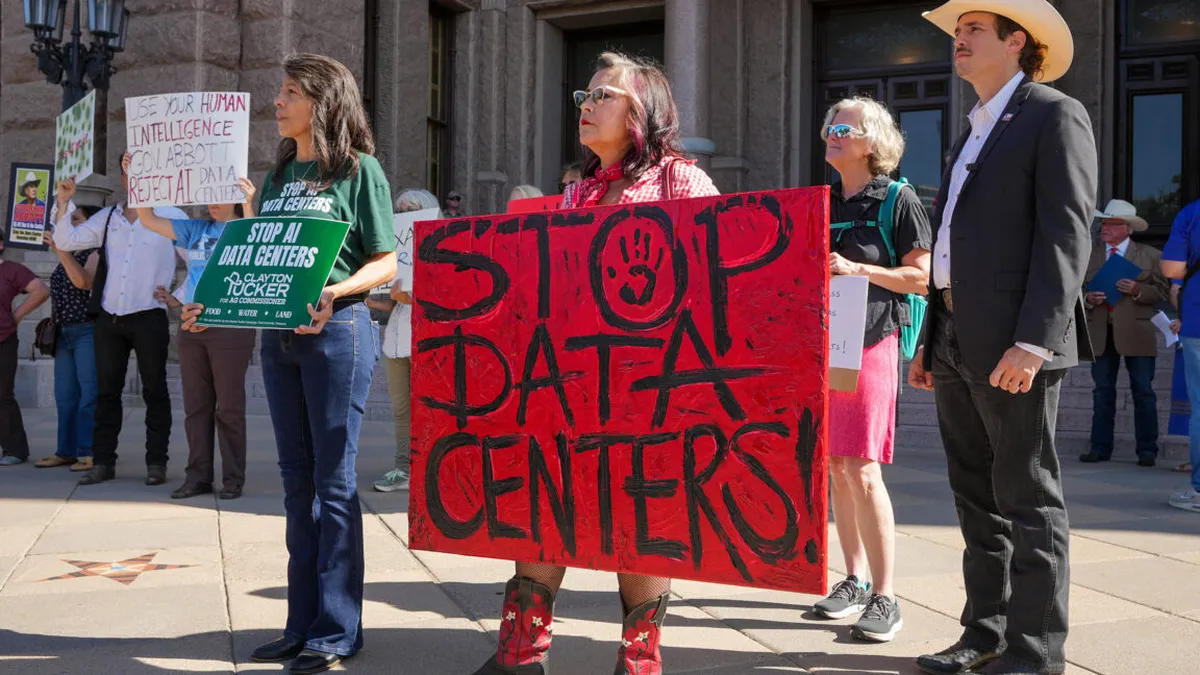
Texas, long regarded as a magnet for data center development due to its affordable land and abundant energy supply, is now facing a significant reality check. Just months after touting the state as the "epicenter of AI development," Governor Greg Abbott has announced a moratorium on new connections to the power grid for data centers. This unprecedented decision, made on August 3, 2026, is a response to the overwhelming demand that threatens the stability of the state's power supply and local communities.
With over 1,800 projects representing a staggering 474 gigawatts of power connection requests currently queued with the Electric Reliability Council of Texas (ERCOT), the state is at a critical juncture. Approximately 90% of these requests come from data centers, raising alarms about the potential for overwhelming the grid. As the demand for data storage and processing surges, particularly driven by advancements in AI technologies, the implications for Texas's energy landscape, community resources, and regulatory frameworks are profound.
The Texas Data Center Landscape
Texas has emerged as a data center powerhouse, driven by a combination of favorable economic conditions, including:
- Low land costs: Affordable real estate has attracted numerous data center developers.
- Incentives: The state offers tax breaks and fewer regulations, making it an attractive location for tech companies.
- Energy resources: Texas is rich in energy, with options ranging from natural gas to renewable sources.
As a result, the state is poised to overtake Virginia as the largest data center market in the United States. However, the rapid expansion of these facilities has raised concerns about the reliability of the Texas electric grid. ERCOT, operating independently from the rest of the United States, has been tasked with overseeing these developments, but the sheer volume of projects has made it difficult to manage effectively.

Governor Abbott’s Moratorium Explained
The governor's directive, issued during a meeting with the Public Utility Commission of Texas and ERCOT, calls for a comprehensive audit of all data centers in the interconnection process. Key elements of this moratorium include:
Audits and Assessments
The new rules require data centers to provide detailed information regarding their energy consumption, reliance on the ERCOT grid, and the extent of state financial assistance. This includes:
- Annual and peak electricity consumption projections.
- Details on ownership and control of each project.
- Impacts on local water supplies due to cooling systems.
While these audits aim to ensure that data centers do not jeopardize grid stability, they also highlight the complexity of managing resource demands amid a booming tech sector.
Water Usage Concerns
Water consumption is another critical issue that has garnered attention. Texas data centers, while directly consuming around 8 billion gallons of water for cooling, often rely on power generation sources that use significantly more water. For instance, natural gas plants used approximately 56 billion gallons in 2024, which can strain local water supplies, especially in drought-prone areas like Corpus Christi.

Community Pushback and Political Ramifications
The moratorium reflects growing community concerns regarding the environmental impacts of data centers. Public protests, such as a rally led by local activist Sue Ellen Davis in Austin, have emerged in response to the rapid expansion of these facilities. As community members voice their worries about noise, traffic, and local environmental degradation, political pressure is mounting on Governor Abbott. Recent polls indicate that voter support for Abbott is waning, particularly among those who oppose data centers in their neighborhoods.
Calls for Stricter Regulations
Democratic challenger Gina Hinojosa has criticized the governor’s moratorium as insufficient, advocating for a full halt on data center developments until more stringent regulations can be established. This sentiment is echoed across the nation, where states like New York and Virginia are also introducing moratoriums or stricter oversight regarding data center projects, citing similar community concerns.

The Future of Data Centers in Texas
The implications of Abbott’s moratorium extend beyond immediate concerns about the power grid and local resources. As ERCOT seeks to manage the growing demand for data centers, several trends are emerging:
Behind-the-Meter Power Generation
Many tech companies are increasingly turning to behind-the-meter power generation solutions to circumvent grid limitations. This strategy allows data centers to generate their own electricity on-site, often using mobile gas generators or aeroderivative turbines. Texas leads the nation in announced behind-the-meter capacity, with 40 gigawatts available, largely due to its vast natural gas supplies and infrastructure.
Balancing Growth and Sustainability
While the demand for data centers continues to rise, there is an urgent need for regulatory frameworks that balance this growth with environmental sustainability. The moratorium serves as a crucial first step in reassessing how data centers interact with local communities and resources. As the AI boom progresses, the stakes for Texas—and indeed the entire country—could not be higher.
Key Takeaways
- The Texas government has imposed a moratorium on new data center connections to the power grid amid concerns about reliability.
- Data centers represent a significant portion of the energy demands on the Texas grid, with 90% of connection requests coming from these facilities.
- Community protests and political pressures are prompting calls for stricter regulations on data center development.
- Behind-the-meter power generation is becoming a common strategy among tech companies to bypass grid limitations.
- The long-term sustainability of Texas's energy resources and environmental health is at stake amidst the data center boom.
Frequently Asked Questions
What is the main reason for the Texas data center moratorium?
The Texas data center moratorium was enacted to address overwhelming demand on the power grid and potential risks to grid stability. Governor Abbott's directive requires comprehensive audits of data center energy consumption and impacts on local resources before any new connections can be made.
How does this moratorium affect existing data centers?
The moratorium specifically targets new data center connections to the power grid; existing data centers will continue to operate as normal. However, it may affect future expansions or new projects that rely on grid connections for power.
What is behind-the-meter power generation, and why is it important?
Behind-the-meter power generation refers to energy produced on-site at data centers, allowing them to operate independently from the grid. This approach has become increasingly popular among tech companies, as it enables them to bypass grid constraints and manage their energy needs more effectively.
Are there similar movements in other states regarding data centers?
Yes, several states, including New York and Virginia, are exploring moratoriums or stricter regulatory frameworks for data center development due to community concerns about environmental impacts and resource consumption. This trend reflects a growing national debate on the sustainability of data centers.
Comments
Tesla's Shanghai Factory: A Cash Cow Facing Uncertain Future
Tesla's Shanghai factory has achieved record production but faces declining sales in China. The company's potential separation from the Chinese market raises questions about its future.
Related articles

Popular in Cloud Computing
- SK Hynix's Historic $26.5 Billion IPO: A New Era for Memory Chips
- Kubernetes and the Future of Desktop Infrastructure: A Paradigm Shift
- Amazon Expands Partnership with Nvidia, Tripling GPU Orders Amid AI Demand Surge
- Elon Musk's Evolving Relationship with Anthropic: A New Era for AI Hosting
- Emerging Rocket Launches: A New Era for Space Exploration