India's UPI: A New Business Model for Instant Payments
India's Unified Payments Interface (UPI) is set for a major transformation as new legislation aims to introduce merchant fees, shifting the financial landscape for digital transactions. This change promises to sustain UPI's growth and development while bolstering the fintech ecosystem.
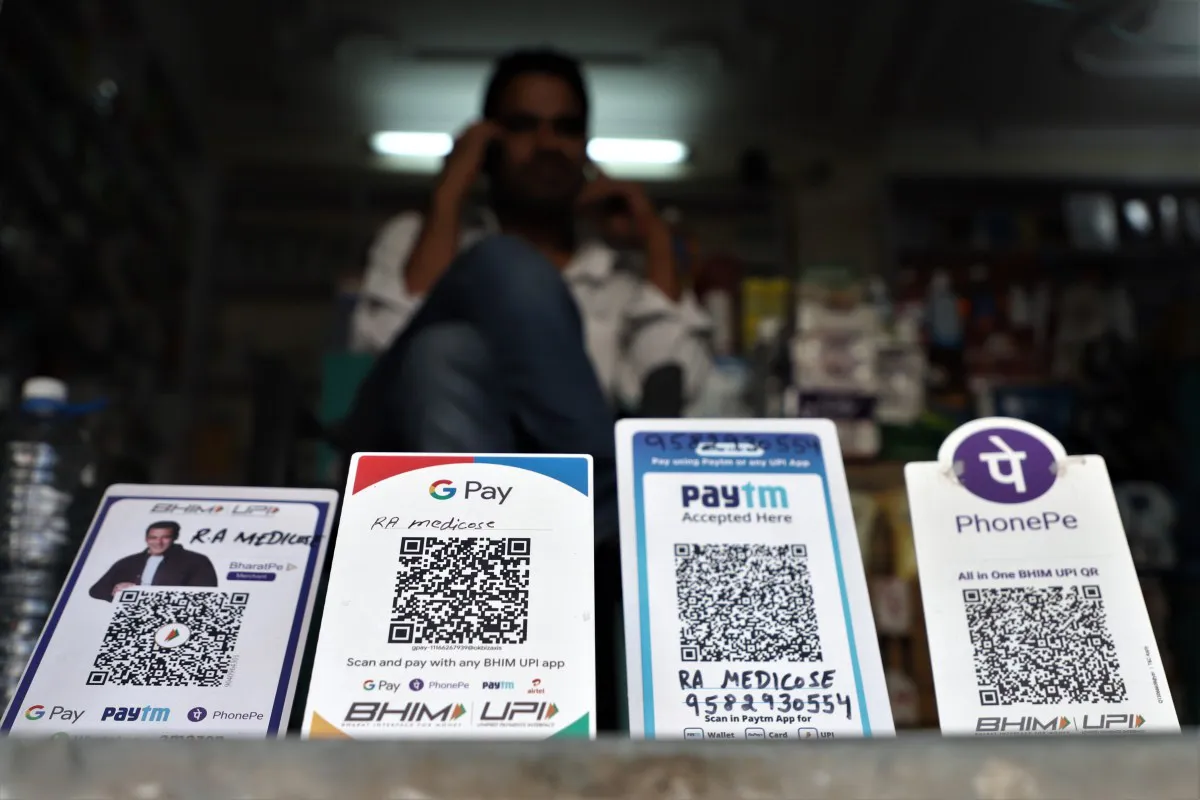
The digital payment landscape in India is on the brink of a significant evolution. With the government introducing new legislation aimed at establishing a business model for the Unified Payments Interface (UPI), the way merchants engage with this instant payments network is about to change. Known for its rapid adoption and widespread use, UPI has become an integral part of India’s financial ecosystem, processing a staggering 23.66 billion transactions worth approximately ₹29.88 trillion (around $313.4 billion) in July alone. However, the legislative shift to potentially impose fees on merchants for UPI transactions marks a pivotal moment in the journey of this payment platform.
Since its inception, UPI has operated under a zero-merchant-discount-rate (MDR) regime, meaning that businesses have not been charged fees for accepting payments through this platform since January 2020. This policy was implemented to boost adoption and facilitate a rapid transition to a cashless economy. However, as transaction volumes surged and infrastructure costs escalated, maintaining a zero-fee model has become increasingly challenging. The proposed legislation seeks to address these concerns by creating a sustainable financial framework that balances the needs of merchants, banks, and fintech companies.

The Evolution of UPI: From Free to Fee
India’s UPI has been a remarkable success story, enabling seamless peer-to-peer and merchant transactions. The decision to eliminate merchant fees was initially a strategic move to enhance accessibility and encourage widespread adoption. But as UPI transactions soared, the financial burden on banks and fintech firms has intensified.
Amrish Rau, CEO of fintech firm Pine Labs, expressed optimism about the legislative changes, arguing that introducing a fee structure could allow stakeholders to recoup investments in technology and cybersecurity needed to support UPI's growth. This sentiment is echoed by many in the industry, highlighting the need for a sustainable model that can support innovation and expansion. Rau emphasized, “For us to get to 90% penetration, and to take UPI global, startups, fintechs and banks will need to fund this expansion through continued investments in IT, innovation and cybersecurity.”
The Legislative Proposal
The new legislation lays the groundwork for potentially imposing merchant fees on certain UPI transactions, although it does not specify which transactions will incur charges or how the fees will be structured. Market analysts suggest that these details will be crucial in determining the impact on various stakeholders.
According to a report by Jefferies, introducing merchant charges could generate an estimated ₹50 billion to ₹100 billion (about $525 million to $1.05 billion) in annual revenue by fiscal 2028, based on transaction fees of 15–30 basis points. This additional revenue could provide much-needed resources for banks and payment companies involved in the UPI ecosystem.

Impact on the Digital Payments Landscape
The implications of this legislative shift extend beyond just financial figures; they touch on the very fabric of India's digital payments landscape. The ability to impose fees could lead to a more structured and competitive environment among payment service providers, potentially benefiting the end consumer in the long run.
Currently, Walmart-owned PhonePe and Alphabet’s Google Pay dominate the UPI market, accounting for nearly 80% of transaction volumes. How these companies adapt to the new fee structure will be critical in shaping the future of UPI. The distribution of fees among banks, payment apps, and merchants will determine who benefits most from this transformation.
Consumer Implications
One of the central tenets of UPI's success has been its consumer-friendly model, which has allowed users to make payments without incurring additional costs. The proposed changes suggest that merchant fees may be limited to higher-value transactions, which could preserve the zero-fee experience for everyday users while still generating revenue from larger transactions. Reports indicate that transactions above ₹2,000 (about $21) account for only 4% of payment volumes, yet they represent nearly 70% of the transaction value, making them prime candidates for fee implementation.
- Transaction Volume Growth: UPI has processed record transaction volumes, highlighting its popularity.
- Merchant Fees: Proposed legislation could lead to fees for higher-value transactions.
- Revenue Estimates: Additional revenue from merchant fees may reach ₹100 billion by 2028.
- Market Competition: Changing dynamics will impact major players like PhonePe and Google Pay.

Global Interest in UPI's Transformation
As countries such as Singapore, the United Arab Emirates, and France have adopted UPI, the implications of these legislative changes will be closely monitored internationally. The success of UPI as a global model for digital payments could hinge on its ability to balance growth with sustainability. The introduction of fees may also influence how other nations approach their digital payment frameworks, potentially leading to a ripple effect in global financial systems.
India's journey with UPI has showcased how a government-backed initiative can thrive in the private sector, leading to a rich ecosystem of fintech innovation. With new revenue models on the horizon, the future of UPI appears poised for both challenges and opportunities.
Key Takeaways
- The Indian government is proposing to introduce merchant fees for UPI transactions.
- UPI has processed over 23 billion transactions in a single month, highlighting its rapid growth.
- Revenue from merchant fees could reach ₹100 billion by fiscal 2028.
- Major players like PhonePe and Google Pay will have to adapt to the changing landscape.
- Global interest in UPI's model may influence other countries' digital payment strategies.
Frequently Asked Questions
What is UPI and why is it significant?
The Unified Payments Interface (UPI) is a real-time payment system developed by the National Payments Corporation of India (NPCI) that facilitates instant fund transfers between bank accounts through mobile devices. Its significance lies in its ability to provide a seamless, user-friendly experience, driving the adoption of digital payments across India.
How will the introduction of merchant fees affect consumers?
The proposed merchant fees are expected to be applied primarily to higher-value transactions, which may not impact everyday consumers making smaller purchases. This approach aims to preserve the zero-fee experience for most users while potentially generating revenue from larger transactions, thus maintaining consumer engagement with the platform.
What are the potential benefits for banks and fintechs with the new model?
Implementing merchant fees could provide banks and fintech companies with a new revenue stream that can be reinvested into technology, innovation, and security measures. This financial support is crucial as transaction volumes increase and infrastructure costs rise, allowing these entities to enhance their services and expand their capabilities.
How might this legislation influence other countries?
The legislative changes surrounding UPI will likely attract attention from countries exploring their digital payment systems. As UPI serves as a model of success for digital transactions, the way India navigates this transition may inspire other nations to adopt similar frameworks, potentially leading to a shift in global digital payment strategies.
Comments
Bending Spoons Acquires Airtable for $1.28 Billion: What It Means for Tech
Bending Spoons has announced its acquisition of Airtable for $1.28 billion, marking a significant move in the tech landscape. This article explores the implications of this deal and what it means for the future of data management tools.
Related articles



Popular in SaaS Reviews
- Roost: The 'Slow-cial' App Redefining Digital Communication
- Uber's Expansion Beyond Ride-Hailing: The Future of Travel and Services
- Sweden's Startup Surge: The Forces Behind a Booming Ecosystem
- X's Algorithm Update: Creating a More Community-Focused Experience
- Elon Musk's Vision for X: Real-Time Misinformation Corrections via DMs