Apple's Services Growth Stumbles Amid Gaming Slowdown and Legal Changes
Apple's latest fiscal quarter revealed a decline in services revenue, primarily driven by a slowdown in mobile gaming and significant App Store changes. Despite topping 1.5 billion subscribers, the company fell short of Wall Street expectations, leading to a noticeable dip in stock prices.

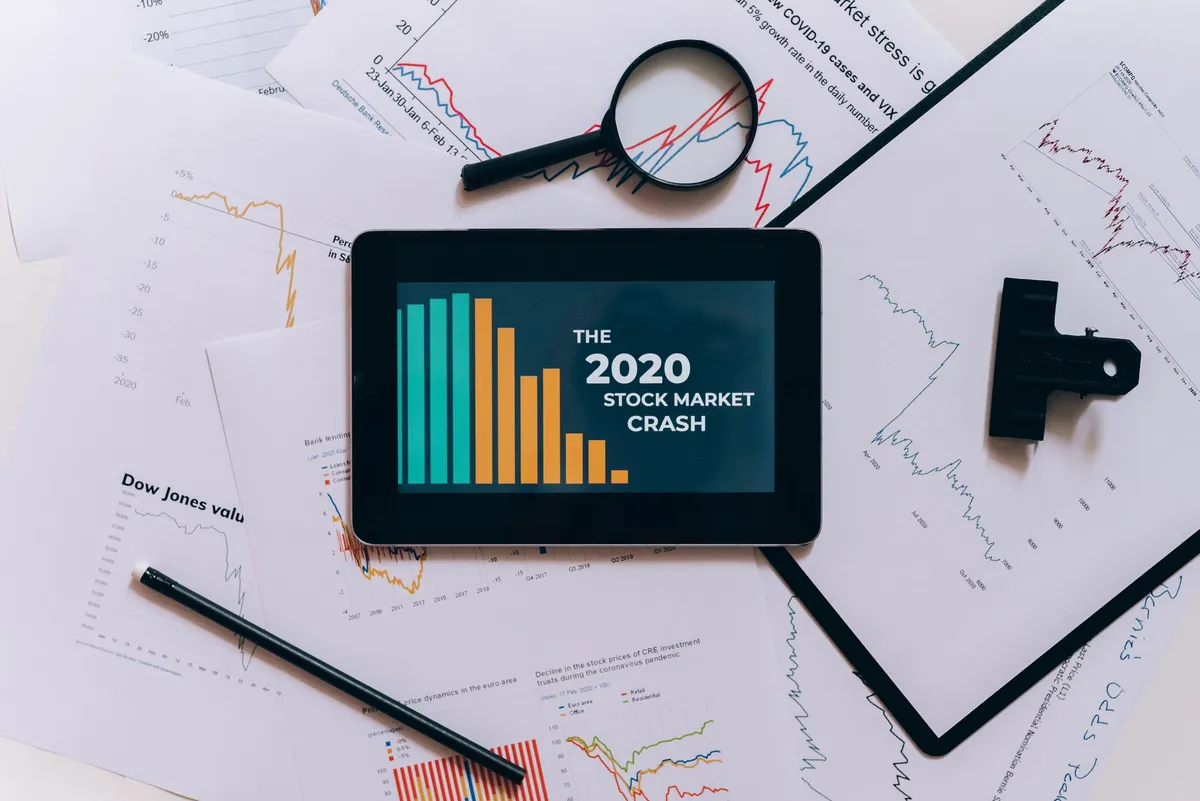
In a recent financial report, Apple Inc. revealed a mixed bag of results for its services segment, despite the company achieving a significant milestone: over 1.5 billion paid subscriptions across its various services. This number marks a substantial increase from the 1 billion subscribers reported in early 2025. However, the company’s services revenue of $30.74 billion for the fiscal third quarter fell short of analysts' expectations of $31.22 billion, highlighting challenges amid otherwise robust hardware sales. This discrepancy has raised concerns among investors, particularly as Apple’s stock dropped over 4% in after-hours trading following the announcement.
Apple's Chief Financial Officer, Kevan Parekh, attributed the revenue miss primarily to two factors: a slowdown in mobile gaming and recent changes to the App Store’s business model due to legal pressures. This situation not only affects Apple’s bottom line but could also reshape how developers and consumers interact with the App Store in the future, potentially leading to shifts in the broader app ecosystem.
Understanding the Revenue Decline: Factors at Play
Apple's challenges in the services sector can be traced to several interrelated factors that collectively contributed to the revenue shortfall:
- Mobile Gaming Slowdown: A noticeable decline in mobile gaming activity has negatively impacted revenue generated through in-app purchases, a significant source of income for Apple.
- App Store Business Model Changes: Legal rulings have mandated that Apple allow developers to process customer payments outside of the App Store, which could erode the company's commission-based earnings.
- Foreign Exchange Rates: Fluctuations in foreign currencies have also had a detrimental impact on Apple's revenues, with international sales becoming less profitable due to a stronger U.S. dollar.
- Comparative Quarter Performance: The revenue shortfall is also partly due to last year’s exceptionally high earnings, bolstered by the success of Apple's theatrical release, “F1.”
The Impact of Mobile Gaming
A significant portion of the services revenue comes from the App Store, where mobile gaming has traditionally played a pivotal role. Recent studies indicate that mobile gaming has seen a decline in user engagement, which has a ripple effect on the revenues that Apple derives from in-app purchases. As the gaming market matures, developers are facing increased competition and changing consumer preferences, leading to reduced spending.
Legal Changes Affecting the App Store
Another critical aspect affecting Apple’s services revenue is the ongoing legal scrutiny surrounding its App Store practices. Under a recent court order, Apple is now required to allow developers to offer alternative payment methods, which could significantly reduce the revenue generated through the App Store. While the company has not disclosed the specific financial impact of this ruling, it has acknowledged the potential for decreased revenues from this segment. The matter is set to be reviewed by the Supreme Court, which could have lasting implications for Apple’s business model.
Growth Amid Challenges: Apple’s Future Prospects
Despite the revenue miss, Apple remains optimistic about the long-term growth of its services segment. The company reported that it achieved all-time revenue records in developed markets and set June quarter records in emerging markets. Specific segments such as Apple Ads, AppleCare, Apple Music, and Apple TV are performing well, with Apple TV even reaching an all-time high in viewership during the quarter.
Emerging Opportunities
Apple is actively exploring new revenue streams to bolster its services segment. For instance, the recent launch of the Apple Upgrade program in partnership with Klarna aims to enhance customer engagement and potentially drive more sales of Apple devices, which could lead to increased service subscriptions. Additionally, features like Creator Studio subscriptions and bill-splitting options within Apple Cash are expected to deepen user engagement with Apple’s ecosystem, offering avenues for future revenue growth.
Market Reaction and Investor Sentiments
The mixed results from Apple's services segment have undoubtedly stirred investor sentiments. The 4% drop in stock value post-announcement reflects a cautious outlook among analysts. Investors are keenly observing how Apple navigates the challenges posed by a slowing gaming market and legal changes that could reshape its App Store operations.
Moreover, as the company continues to innovate and expand its services portfolio, it must demonstrate resilience and adaptability to retain investor confidence. The prevailing sentiment is that while the current quarter may be disappointing, Apple's strong brand equity and extensive user base provide a solid foundation for future growth.
Key Takeaways
- Apple's services revenue fell short of expectations, primarily due to a slowdown in mobile gaming and App Store legal changes.
- The company surpassed 1.5 billion paid subscriptions, marking significant growth despite revenue challenges.
- Future growth opportunities exist in emerging markets and through new service offerings like Apple Upgrade and Creator Studio.
- Investor sentiments are cautious, reflecting concerns over the App Store’s evolving business model and competitive pressures.
Frequently Asked Questions
What are the primary sources of revenue for Apple's services segment?
Apple's services segment generates revenue from a variety of offerings, including the App Store, Apple Music, Apple TV, AppleCare, and Apple Ads. The App Store is particularly significant, as it accounts for a large proportion of revenue through app sales and in-app purchases, especially in the mobile gaming sector. As Apple continues to expand its services portfolio, other areas such as Apple Ads and cloud services are also becoming increasingly important.
How does the slowdown in mobile gaming affect Apple’s financial performance?
The slowdown in mobile gaming directly impacts Apple's financial performance by reducing the revenue generated from in-app purchases. As consumer spending on mobile games declines, so too does the commission that Apple earns from these transactions. Given that gaming has been a significant driver of App Store revenue, this downturn raises concerns about the sustainability of growth in Apple's services segment.
What are the implications of the recent legal changes on the App Store?
The recent legal changes require Apple to allow app developers to process payments outside of the App Store, which could significantly affect the commission revenue that Apple generates. This shift could lead developers to seek alternative payment methods, thereby reducing Apple's control over transaction fees. The long-term implications of these legal changes are still unfolding, and the upcoming Supreme Court decision could further influence Apple's business model.
Comments
Friend 2.0: The AI Wearable Aims to Combat Loneliness with Personality
The reimagined AI wearable, Friend 2.0, is back with a voice and a hefty price increase, aiming to fill the void of companionship in a tech-savvy society. But does it really deliver on its promise?

Related articles




Popular in SaaS Reviews
- Roost: The 'Slow-cial' App Redefining Digital Communication
- Uber's Expansion Beyond Ride-Hailing: The Future of Travel and Services
- Sweden's Startup Surge: The Forces Behind a Booming Ecosystem
- X's Algorithm Update: Creating a More Community-Focused Experience
- Elon Musk's Vision for X: Real-Time Misinformation Corrections via DMs