Situational Awareness: The Rise and Challenges of an AI Hedge Fund
Situational Awareness, an AI hedge fund founded by Leopold Aschenbrenner, faces challenges after selling its public portfolio, yet retains valuable private investments, including Anthropic shares.
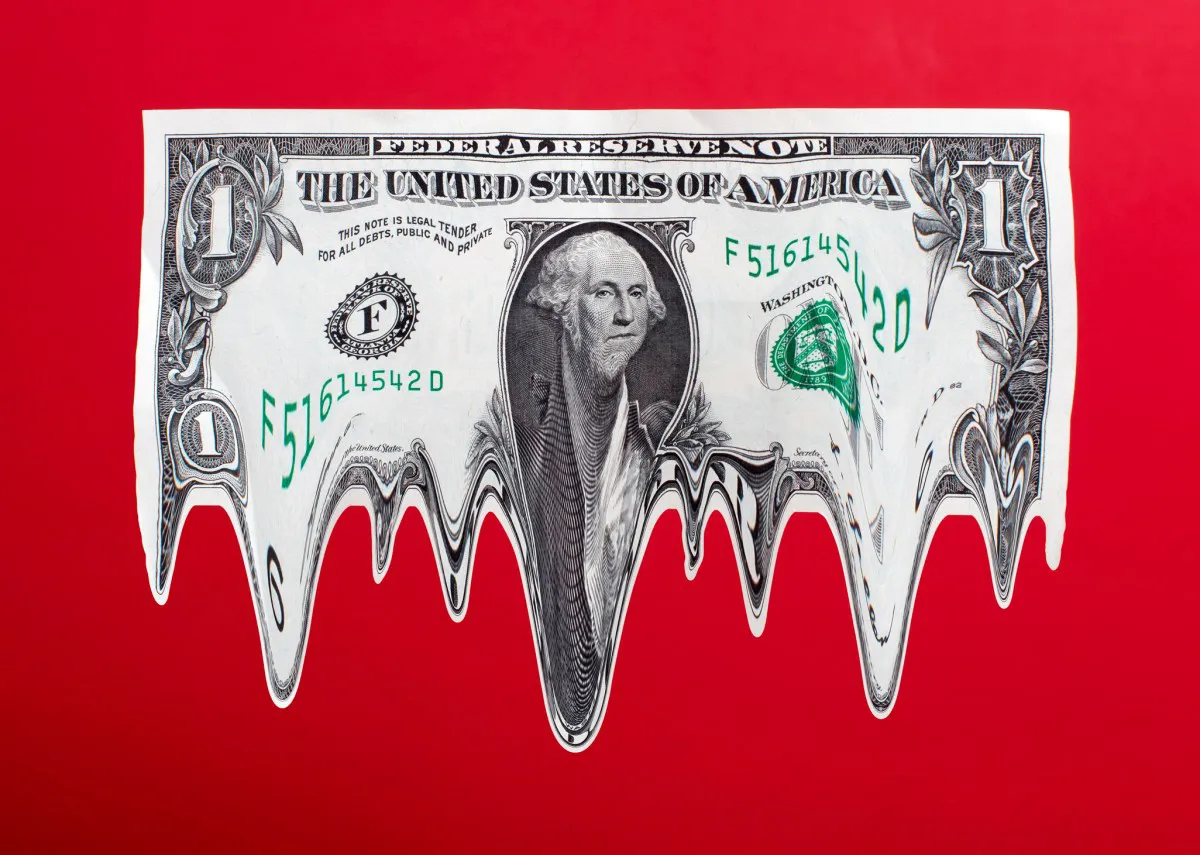
In the fast-paced world of finance and technology, few narratives are as captivating as that of Situational Awareness, an AI-focused hedge fund founded by Leopold Aschenbrenner, a prodigious talent from the halls of OpenAI. Aschenbrenner's journey has been marked by extraordinary achievements and sobering setbacks, culminating in a recent decision to sell a significant portion of his public portfolio amidst a tumultuous market. Yet, even as the fund grapples with losses, it clings to potentially lucrative private investments, including a substantial stake in the AI startup Anthropic.
The fund's recent turmoil is a reflection of broader market trends affecting AI infrastructure investments, revealing both the risks and opportunities that characterize the intersection of finance and technology. Aschenbrenner's trajectory—from a brilliant researcher to a hedge fund manager—offers insights into the volatile world of AI investments and the strategic decisions that can lead to both growth and decline.
The Rise of Situational Awareness
Founded in 2024, Situational Awareness quickly gained attention in the investment community under Aschenbrenner's leadership. The 25-year-old, who graduated as valedictorian from Columbia University at just 19, was previously a member of OpenAI's “superalignment” team, a group focused on ensuring that advanced AI systems operate safely and beneficially. His tenure at OpenAI, however, was cut short due to alleged improper disclosures, which spurred his transition into the hedge fund realm.
Investment Philosophy and Early Success
Aschenbrenner's investment strategy was informed by his deep understanding of AI and its underlying infrastructure needs. He argued that scaling AI technologies would necessitate significant investments in semiconductors, computing power, memory, and energy resources. This foresight initially paid off handsomely, with Situational Awareness reportedly achieving a staggering 439% return by mid-2026, and assets under management peaking at approximately $45 billion.
However, this meteoric rise was accompanied by inherent risks. The use of leverage—borrowing money to amplify investment positions—exacerbated the fund's vulnerabilities, particularly when market sentiment shifted against AI infrastructure stocks.
Market Volatility and Strategic Shifts
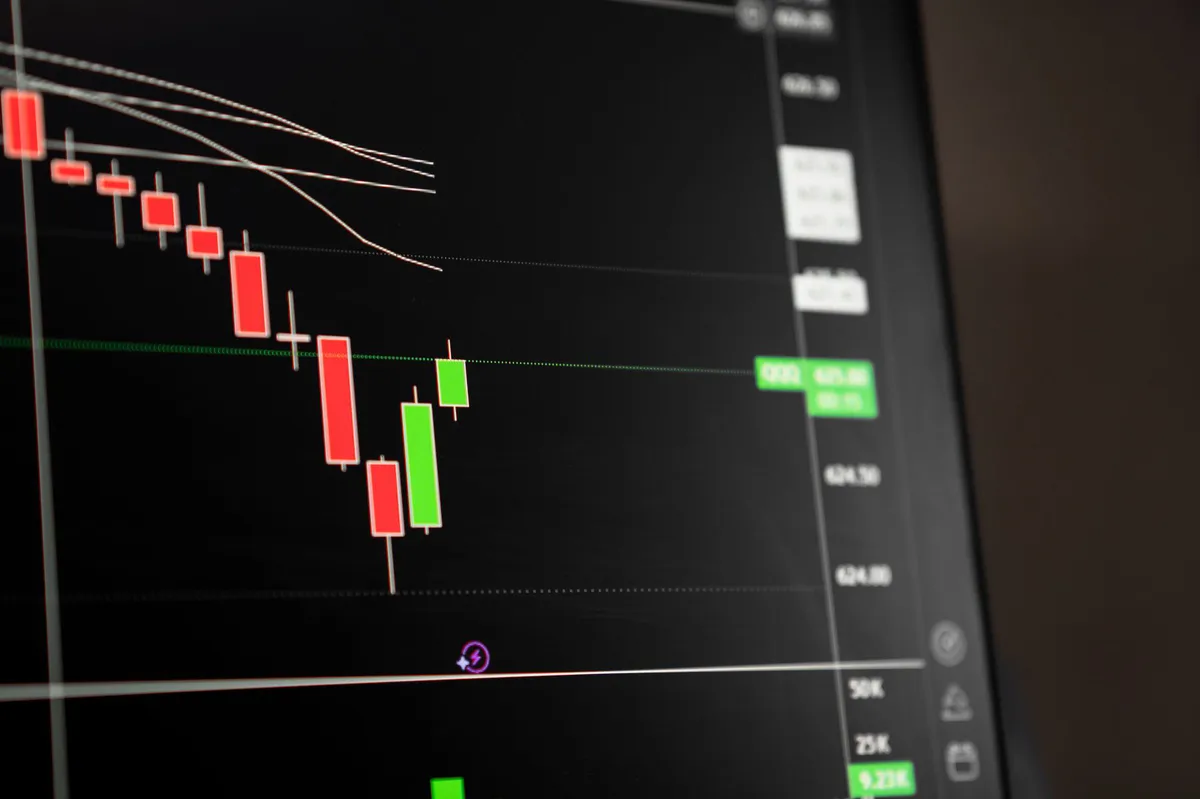
The past month has seen a sharp decline in AI infrastructure investments, raising concerns among public investors about the sustainability of high capital expenditures relative to revenue generation. This sell-off particularly affected companies like memory chip manufacturers SK Hynix and Sandisk, as well as clean energy developer Bloom Energy, all of which saw their stock prices tumble by over 30%.
In response to mounting losses, Aschenbrenner opted to sell the bulk of Situational Awareness's public holdings to Citadel, a move indicative of a larger trend where firms like Citadel capitalize on distressed assets. Ken Griffin's hedge fund has a reputation for stepping in when others are compelled to divest, and its purchase of Situational Awareness's public portfolio is a testament to its strategy of long-term investment in AI infrastructure.
Challenges Ahead
Following the sale to Citadel, Situational Awareness's assets dwindled to approximately $10 billion. Despite these challenges, Aschenbrenner remains optimistic, referring to the current market conditions as one of the best buying opportunities since the previous year in a letter to investors. However, his appeal for fresh capital in late July fell short of expectations, signaling potential investor hesitance amid the ongoing volatility.
Maintaining Key Investments
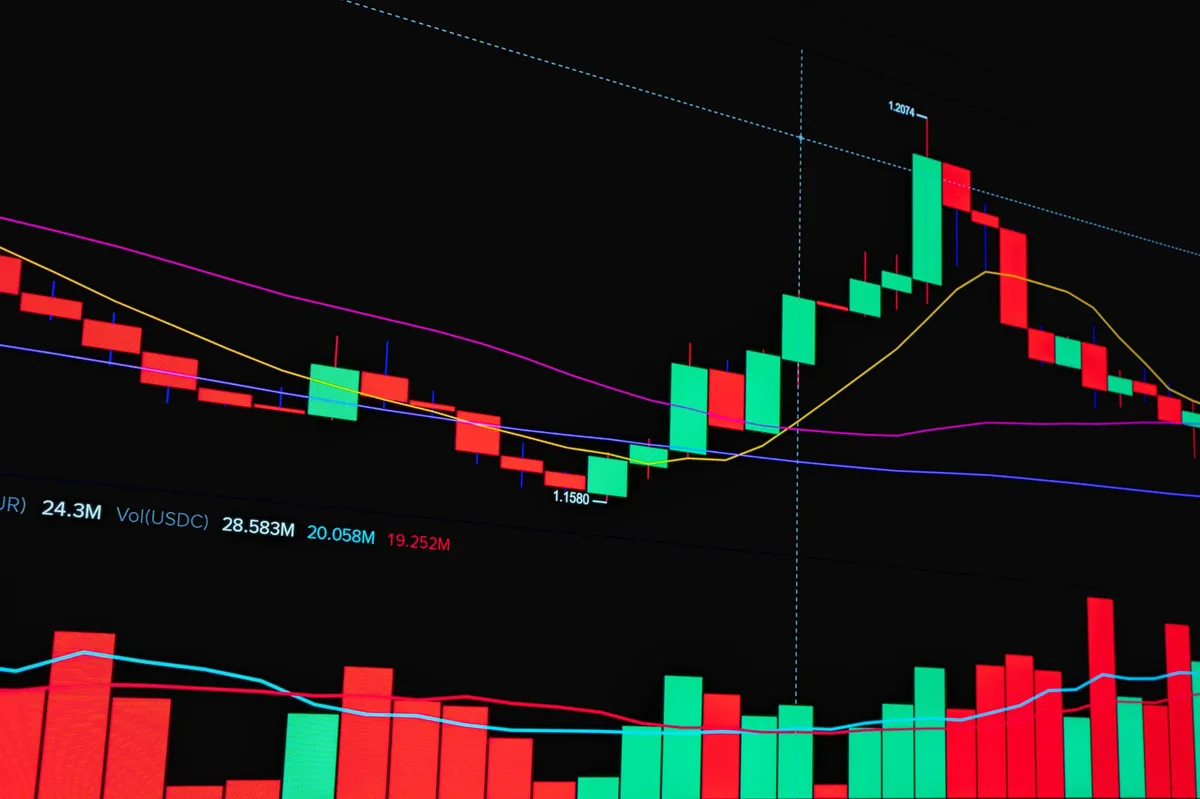
While Situational Awareness has divested much of its public stock, it has retained significant stakes in private companies, most notably Anthropic. Valued at $5 billion following its last funding round, Anthropic is a rising star in the AI sector and was last pegged at $965 billion in May. The hedge fund's continued investment in Anthropic could provide a much-needed lifeline as the firm navigates its public-market losses.
In addition to Anthropic, Situational Awareness's portfolio includes investments in promising companies such as chipmaker MatX and AI data center startup Fluidstack, which is reportedly seeking to raise funds at an $18 billion valuation. These holdings could potentially offset losses from the public portfolio and position the fund for recovery as the market stabilizes.

Lessons from Situational Awareness
The story of Situational Awareness serves as a case study in the complexities of AI investment, highlighting both the potential for extraordinary returns and the pitfalls of market dependence. Aschenbrenner’s initial successes underscore the importance of understanding underlying technology and market dynamics, while the fund's recent struggles illustrate the risks associated with speculative investments, particularly in a rapidly evolving field.
For investors and stakeholders in the tech sector, several lessons emerge from this narrative:
- Understand the Market Trends: Awareness of market volatility and investor sentiment is crucial for making informed investment decisions.
- Diversify Investments: Relying heavily on a single sector can amplify risks; diversifying across various asset classes can mitigate potential losses.
- Long-Term Perspective: Investors should consider the long-term potential of emerging technologies rather than focusing solely on short-term gains.
Key Takeaways
- Situational Awareness has faced significant challenges after selling its public portfolio amid a market downturn.
- Despite losses, the fund retains valuable private investments, including a stake in Anthropic valued at $5 billion.
- The hedge fund's story highlights the volatility of AI investments and the importance of strategic decision-making.
Frequently Asked Questions
What led to Situational Awareness selling its public portfolio?
Situational Awareness sold the majority of its public stock portfolio due to steep losses caused by a decline in AI infrastructure investments, which were exacerbated by the use of leverage. The decision was strategic, aiming to stabilize the fund's finances in a challenging market environment.
How might Anthropic's success impact Situational Awareness?
The hedge fund's continued investment in Anthropic could provide significant financial relief, particularly if the company goes public successfully. As Anthropic is valued at nearly $1 trillion, any successful exit could offset some of the losses incurred from public-market investments.
What can investors learn from Situational Awareness's journey?
The journey of Situational Awareness underscores the importance of understanding market dynamics, diversifying investment portfolios, and adopting a long-term perspective when investing in emerging technologies, especially in volatile sectors like AI.
Comments
Friend 2.0: The AI Wearable Aims to Combat Loneliness with Personality
The reimagined AI wearable, Friend 2.0, is back with a voice and a hefty price increase, aiming to fill the void of companionship in a tech-savvy society. But does it really deliver on its promise?

Related articles



Popular in SaaS Reviews
- Roost: The 'Slow-cial' App Redefining Digital Communication
- Uber's Expansion Beyond Ride-Hailing: The Future of Travel and Services
- Sweden's Startup Surge: The Forces Behind a Booming Ecosystem
- X's Algorithm Update: Creating a More Community-Focused Experience
- Elon Musk's Vision for X: Real-Time Misinformation Corrections via DMs