Fast Metals Innovates Waste Recycling to Recover Critical Minerals
Fast Metals is pioneering a method to extract valuable minerals from red mud, a waste product of aluminum production, using another waste stream, potentially transforming waste management in the mining sector.
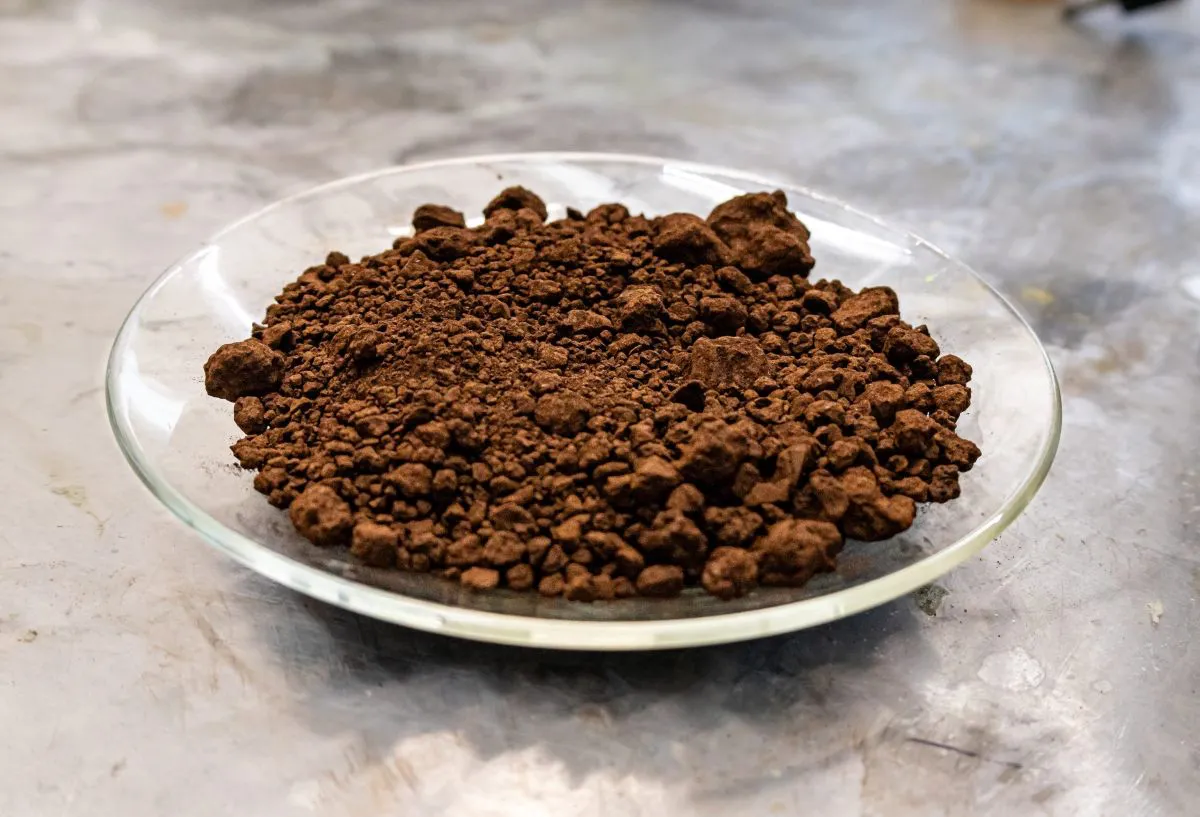
The world of mining and metallurgy has long grappled with the environmental consequences of waste management, particularly in the aluminum industry. With over 3 billion tons of red mud — a byproduct of aluminum refining — stored in open-air ponds, the challenge of effectively managing this waste has become critical. Enter Fast Metals, a groundbreaking startup that sees not just waste, but an opportunity. Co-founder and CEO Sumedh Gostu believes that with the right chemical processes, red mud can be transformed from a costly environmental burden into a profitable resource.
Fast Metals has recently raised $4.3 million in a pre-seed funding round led by New Climate Ventures, with support from Azolla Ventures and Rio Tinto's Founders Factory. This funding aims to propel the company into the next phase of its ambitious project: extracting valuable minerals from the very waste that has long been dismissed as a nuisance. By leveraging another waste stream from alumina refineries, Fast Metals is developing a process that could redefine how the industry perceives waste.
The Rich Composition of Red Mud
Red mud, characterized by its striking vermilion color, is primarily composed of iron oxide, but it also harbors a wealth of critical minerals. These include:
- Titanium - used in aerospace and medical applications.
- Aluminum - essential for various industries, from transportation to construction.
- Rare Earth Elements (REEs) - crucial for electronics, renewable energy, and defense technologies.
Despite its mineral wealth, red mud has historically been overlooked due to the high costs associated with separating these valuable components from the iron oxide matrix. The extraction process has been deemed too expensive and technically challenging, resulting in the accumulation of billions of tons of red mud worldwide.
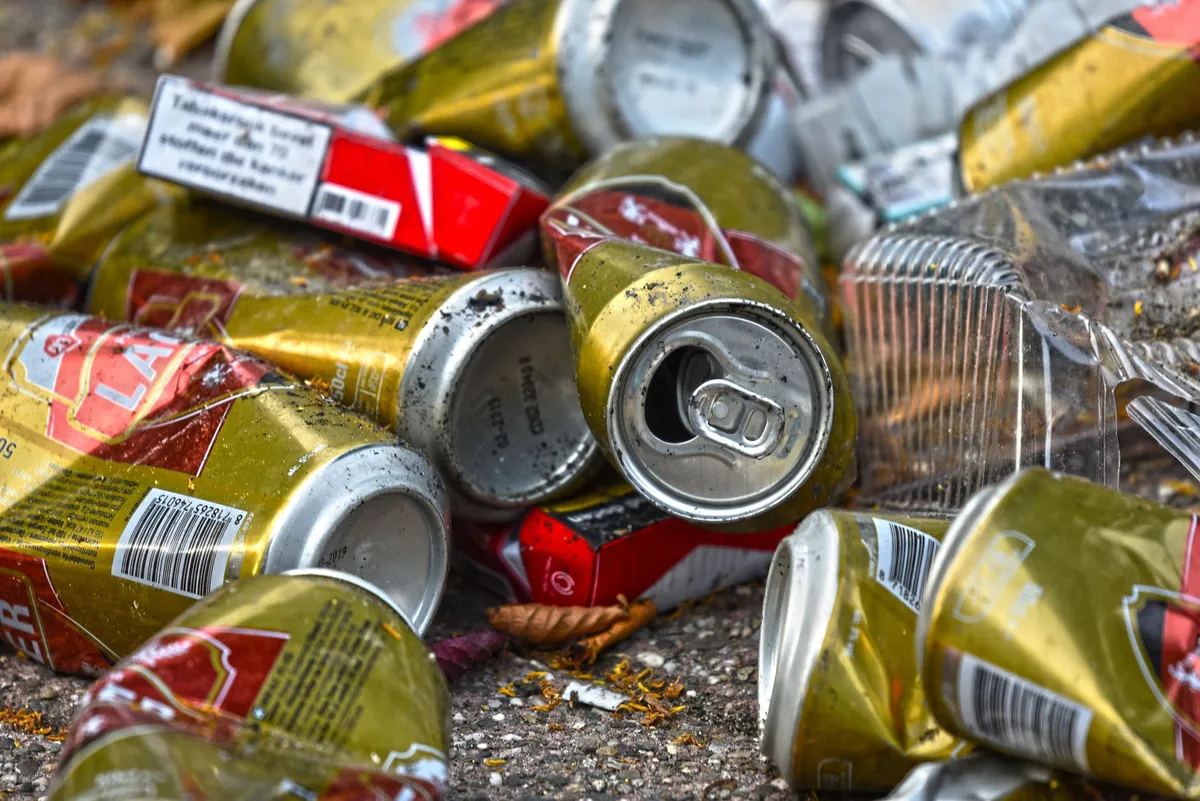
How Fast Metals Turns Waste into Wealth
The innovative approach taken by Fast Metals involves applying a series of chemical processes to red mud, utilizing another waste stream as a key component of the solution. This method was largely developed during Gostu's doctoral studies at the Colorado School of Mines. He and co-founder Anthony Staley realized that by incorporating this additional waste stream, they could significantly reduce the costs associated with mineral extraction.
Step-by-Step Process
The process developed by Fast Metals consists of six distinct steps, wherein different minerals precipitate out of the mixture at various stages. The efficiency of this method allows for:
- **Iron extraction** - which can cover operational expenses.
- **Recovery of titanium dioxide** - valued at approximately $2.50 to $3.00 per kilogram.
- **Extraction of scandium oxide** - a rare earth element currently fetching around $750 per kilogram.
This strategic approach allows Fast Metals not only to manage waste but also to generate revenue, positioning the company as a potential leader in sustainable mining practices.
Market Implications and Future Prospects
The implications of Fast Metals’ innovative method extend beyond just profitability; they signal a shift towards more sustainable practices in the mining industry. As global demand for critical minerals continues to rise, driven by advancements in technology and renewable energy, the need for sustainable extraction methods becomes ever more pressing.
With its recent funding, Fast Metals is poised to scale its operations significantly. The company has secured a contract with Metalox, a mineral processor, to treat one ton of red mud and refinery waste per week, marking a pivotal step towards commercial viability. This contract will not only help validate their process but also potentially attract more business as the company demonstrates its ability to produce valuable minerals sustainably.
Challenges Ahead
Despite the promising outlook, Fast Metals faces several challenges as it navigates the complexities of the mining and recycling industries. Key hurdles include:
- Regulatory Compliance - Navigating environmental regulations can be cumbersome, especially for a startup operating in a heavily scrutinized sector.
- Market Competition - As the demand for rare earth elements surges, competition from established players in the mining sector could pose a significant threat.
- Technological Hurdles - Continuously improving the efficiency of mineral extraction processes while keeping costs low will be crucial for maintaining a competitive edge.
Addressing these challenges will require strategic planning, robust partnerships, and ongoing innovation.
Key Takeaways
- Fast Metals is revolutionizing waste management in the aluminum industry by extracting valuable minerals from red mud.
- The startup has raised $4.3 million in funding to scale its innovative process.
- With a commercial contract in place, Fast Metals aims to treat one ton of red mud and refinery waste per week.
- The potential profitability of extracted minerals like titanium and scandium positions Fast Metals as a leader in sustainable mining practices.
Frequently Asked Questions
What is red mud and why is it significant?
Red mud is a byproduct of aluminum refining, consisting primarily of iron oxide and other critical minerals. Its significance lies in both its environmental impact, as billions of tons are stored globally, and its potential as a source of valuable materials that are increasingly in demand in various industries.
How does Fast Metals' process work?
Fast Metals applies a multi-step chemical process to red mud, utilizing another waste stream to facilitate the extraction of valuable minerals like titanium and rare earth elements. This innovative approach reduces costs and increases the economic viability of recycling this waste.
What are the market implications of Fast Metals' innovations?
Fast Metals' approach could significantly alter the mining landscape by providing a sustainable method for extracting critical minerals. As demand for these materials rises, their process may serve as a model for reducing waste and increasing resource efficiency in the mining industry.
What challenges does Fast Metals face in scaling its operations?
Fast Metals must navigate regulatory compliance, competition from established mining companies, and the need to continuously improve its extraction technology. Overcoming these challenges will be essential for the company's growth and success in the sustainable mining sector.
Comments
Elon Musk's X Money Launch: Opportunities and Obstacles Ahead
Elon Musk's much-anticipated X Money has finally launched, but significant hurdles loom as it rolls out to users. With limitations, regulatory challenges, and market skepticism, how will it fare in the competitive payments landscape?

Related articles


Popular in SaaS Reviews
- Roost: The 'Slow-cial' App Redefining Digital Communication
- Uber's Expansion Beyond Ride-Hailing: The Future of Travel and Services
- Sweden's Startup Surge: The Forces Behind a Booming Ecosystem
- X's Algorithm Update: Creating a More Community-Focused Experience
- Elon Musk's Vision for X: Real-Time Misinformation Corrections via DMs