DoorDash Unveils Drone Delivery with DoorDash Air
DoorDash is making significant strides into the drone delivery market with its new initiative, DoorDash Air. Backed by FAA certification, the company aims to integrate drones into its existing delivery framework, enhancing efficiency and expanding its service capabilities.
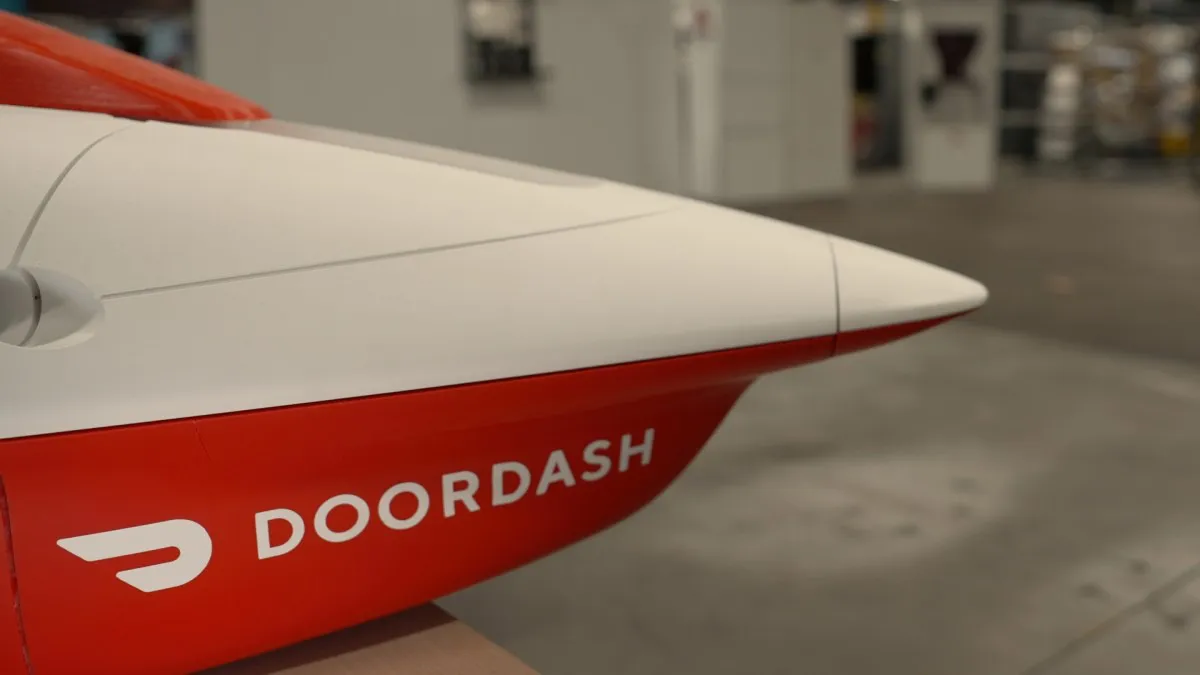
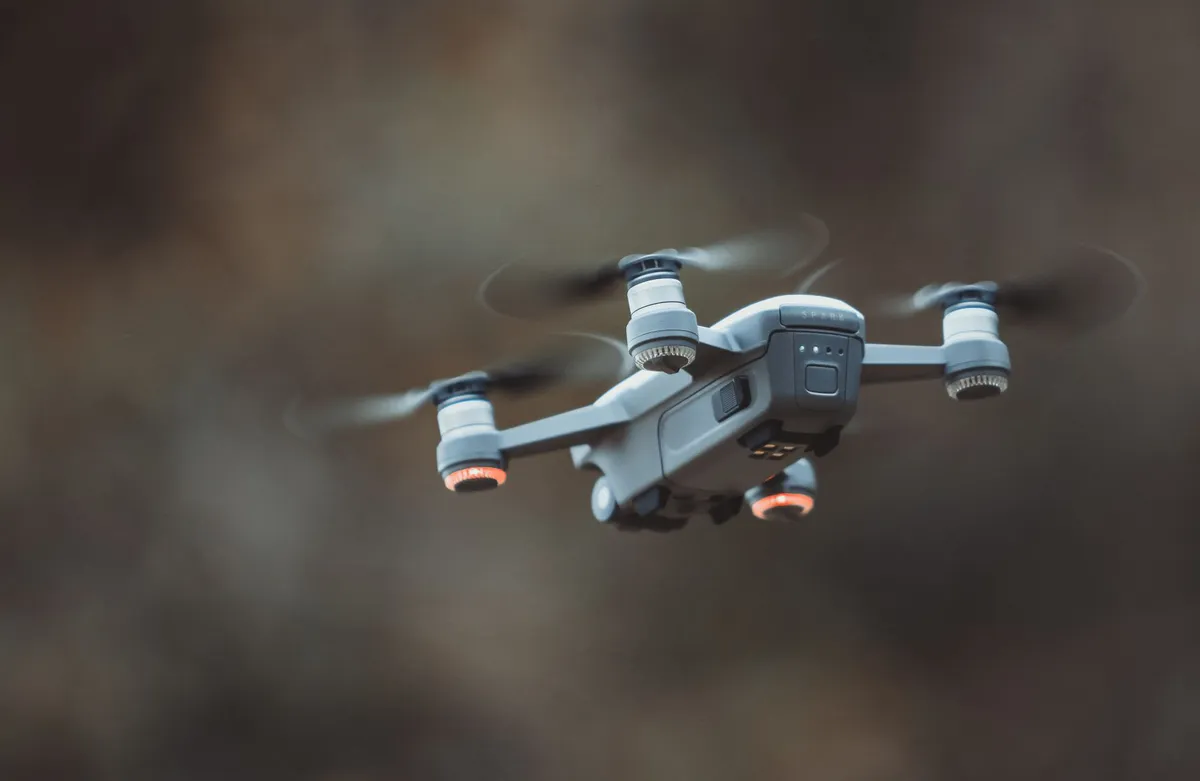
In a move that could redefine the landscape of food and grocery delivery, DoorDash has announced the launch of its drone delivery initiative, DoorDash Air. This ambitious project, developed within the company’s robotics and autonomy team, represents a significant expansion of DoorDash's operational capabilities, allowing it to integrate drone technology into its established delivery app. With the recent acquisition of a Part 135 air carrier certification from the U.S. Federal Aviation Administration (FAA), DoorDash is now legally positioned to operate a commercial drone delivery service across the United States, setting the stage for a future where your burrito may arrive via drone.
However, while the prospect of drone deliveries is exciting, DoorDash has not yet provided a concrete timeline for the rollout of its drones. Initial operations are expected to commence cautiously, likely starting with limited pilot programs. These programs will focus on short-distance flights that remain within the operator's line of sight, a regulatory requirement that ensures safety as the company begins to test its drone capabilities.
The Regulatory Landscape and FAA Certification
Obtaining the Part 135 certification is a crucial milestone for DoorDash, as it enables the company to legally undertake commercial drone operations. This certification is not easily achieved; it requires stringent compliance with aviation safety standards and operational protocols set forth by the FAA. DoorDash’s successful navigation of this regulatory process underscores its commitment to safety and innovation in the logistics space.
However, for DoorDash to fully realize its drone delivery vision, it must also secure additional approvals for its Beyond Visual Line of Sight (BVLOS) technology. This certification allows drones to operate autonomously beyond the operator’s visual range, a capability that many competitors like Amazon and Wing have already obtained. Until then, DoorDash will be limited to piloted operations, which may hinder the scale and efficiency of its delivery service.
Partnerships and Competitive Landscape
Despite its new venture into drone delivery, DoorDash is not abandoning its existing partnerships with companies like Wing and Flytrex. In 2022, DoorDash collaborated with Alphabet’s Wing to launch a drone delivery program in Australia, which later expanded to select U.S. cities, including Dallas-Fort Worth, in 2024. This dual strategy of developing its own drone capabilities while leveraging established partnerships may provide DoorDash with a competitive edge in a rapidly evolving market.
In a landscape where several companies are vying for dominance in drone delivery—from tech giants like Amazon to startups like Zipline—the partnerships could serve as a buffer against the risks associated with deploying untested technologies. By collaborating with experienced players, DoorDash can mitigate the challenges of launching a drone service, ensuring a smoother transition into this new operational paradigm.
Innovation Through Technology: The Autonomous Delivery Platform
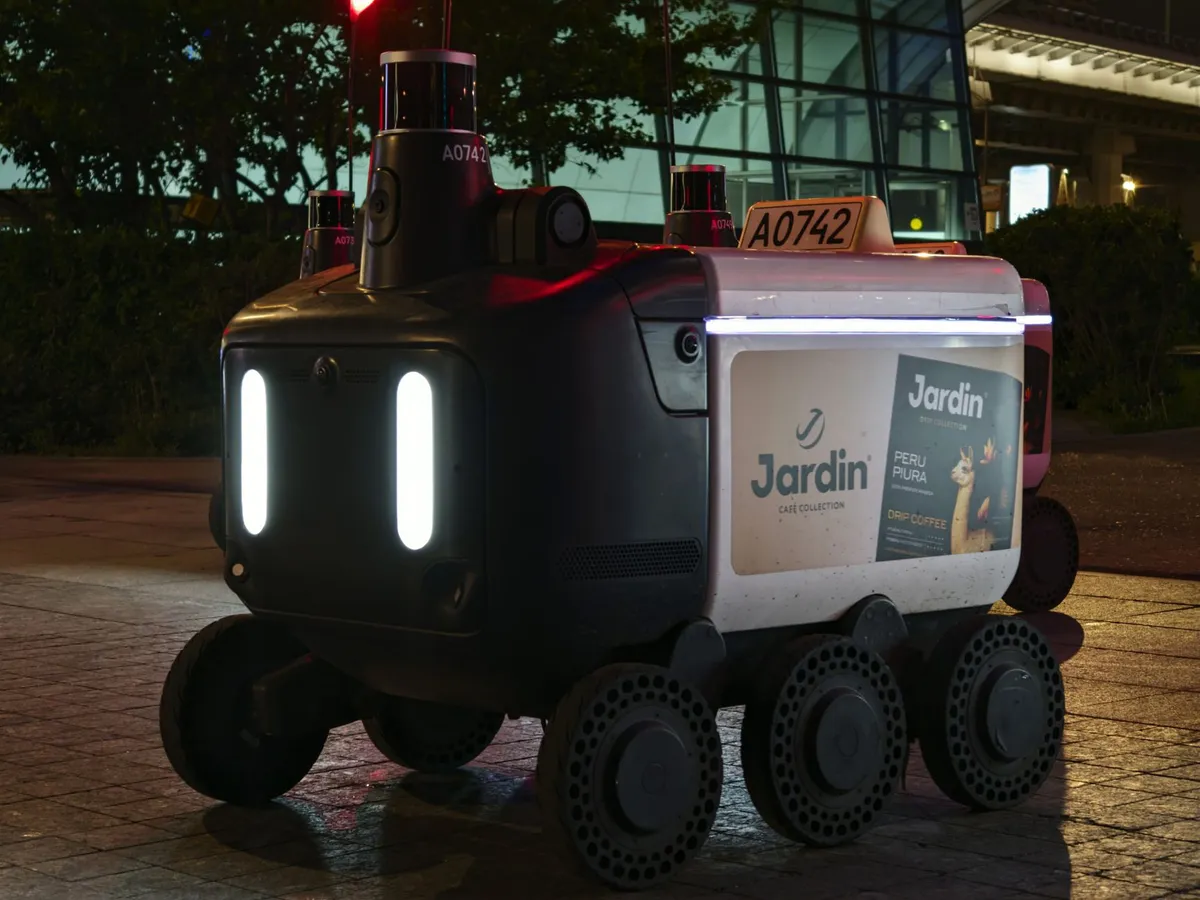
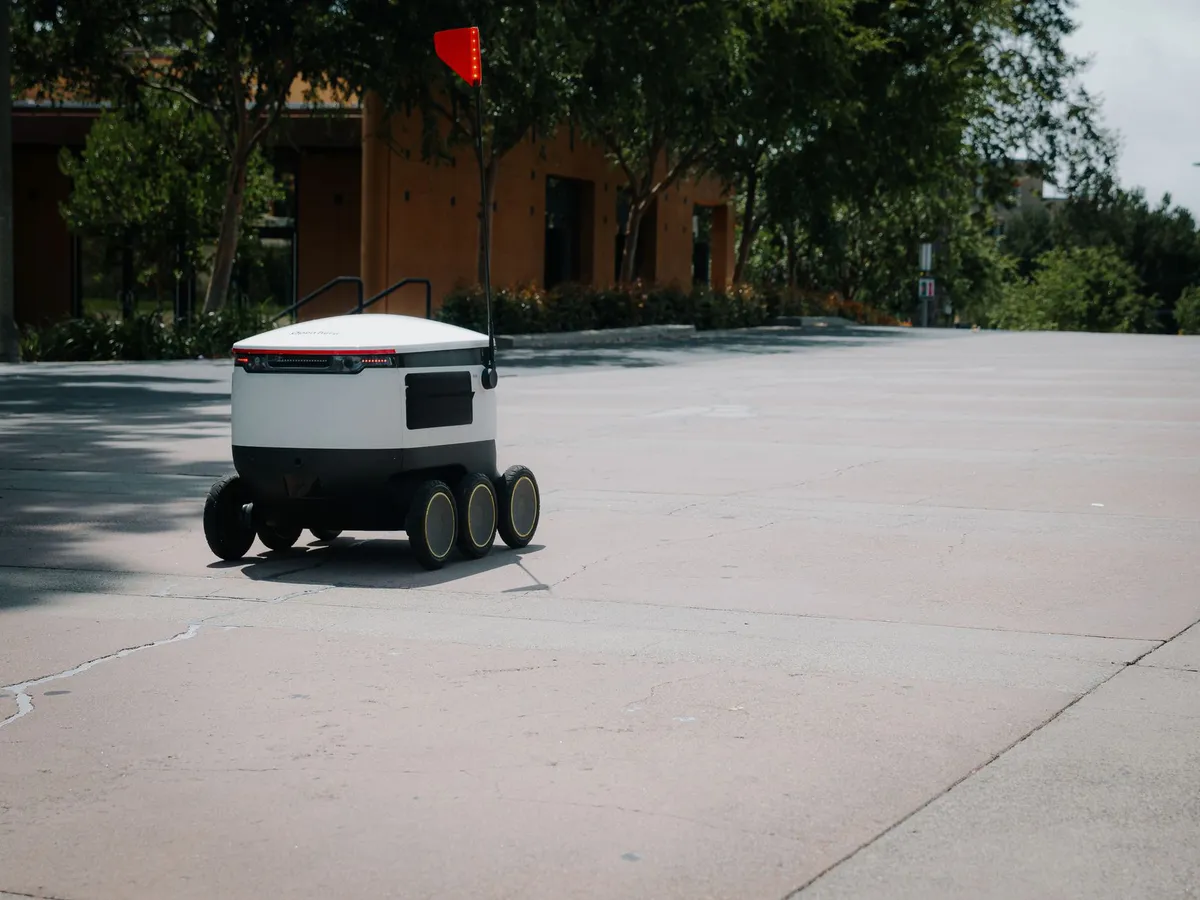
At the heart of DoorDash’s drone initiative is its Autonomous Delivery Platform, a sophisticated software system designed to streamline the coordination of various delivery methods, including drones, sidewalk bots, and human drivers. According to Stanley Tang, DoorDash’s co-founder and chief product officer, this system is pivotal in determining the most efficient mode of delivery for each order, whether it’s a hot meal or grocery items.
DoorDash Labs, the company’s research and development arm, has been instrumental in developing technologies that address the complexities of autonomous delivery. This includes challenges in hardware and embedded systems, as well as advanced routing algorithms capable of real-time decision-making. By solving these intricate problems, DoorDash positions itself at the forefront of innovation in the logistics sector.
All Layers of Autonomy
Unlike many companies that focus solely on one aspect of autonomous technology, DoorDash is tackling the full stack of challenges. Tang emphasizes that employees at DoorDash have the unique opportunity to work on multiple layers of autonomy simultaneously—from the physical hardware of drones and bots to the software that coordinates their operations. This holistic approach not only enhances employee engagement but also accelerates the development of cutting-edge solutions in the delivery space.
Broader Implications for Delivery Services
The expansion into drone delivery is not merely an innovation for DoorDash but signifies a larger trend in the logistics industry. As consumer expectations for rapid delivery continue to rise, companies are seeking innovative solutions that enhance efficiency while reducing operational costs. Delivery via drones offers the potential for faster service, especially in urban areas where traffic congestion can delay traditional delivery methods.
Moreover, as more companies explore drone technology, we may see a shift in regulatory frameworks and infrastructure development to accommodate these new delivery methods. This evolution could lead to a broader acceptance of drones in everyday logistics, paving the way for a future where drone deliveries are as commonplace as traditional delivery vehicles.
Key Takeaways
- DoorDash Air: A new drone delivery initiative that aims to enhance the company's logistics capabilities.
- FAA Certification: Obtained Part 135 certification, enabling DoorDash to operate commercial drone deliveries in the U.S.
- Partnerships: Maintains existing collaborations with Wing and Flytrex while developing its own drone technology.
- Autonomous Delivery Platform: A sophisticated software system managing coordination between drones, bots, and human drivers.
- Industry Shift: DoorDash's initiative reflects a broader trend towards integrating drone technology in logistics.
Frequently Asked Questions
What are the key benefits of DoorDash Air's drone delivery service?
The most significant advantages of DoorDash Air's drone delivery service include enhanced speed and efficiency in delivering food and groceries. Drones can bypass traffic congestion and reach customers in urban areas much faster than traditional delivery vehicles. Furthermore, drone deliveries could reduce operational costs over time by optimizing delivery routes and minimizing human labor requirements.
How will DoorDash ensure the safety of its drone operations?
Safety is paramount for DoorDash as it embarks on its drone delivery journey. The company is required to comply with FAA regulations and will likely implement several safety measures, including pilot oversight during initial operations and robust safety protocols for drone operations. Additionally, as it transitions to autonomous flights, DoorDash will need to demonstrate its technology's reliability and safety to gain BVLOS certification.
What challenges does DoorDash face in launching its drone delivery service?
One of the primary challenges DoorDash faces is regulatory compliance, especially in obtaining BVLOS certification, which is essential for fully autonomous operations. Additionally, the company will need to address technological challenges in ensuring that its drones can navigate complex urban environments safely and effectively. Building public trust and acceptance of drone deliveries is also crucial for the success of the initiative.
How does DoorDash Air fit into the company's overall strategy?
DoorDash Air is a strategic extension of the company's core mission to provide efficient and convenient delivery services. By integrating drone technology with its existing delivery framework, DoorDash aims to enhance customer satisfaction through faster service. This initiative also positions DoorDash as a leader in the evolving logistics landscape, demonstrating its commitment to innovation and adaptability in meeting changing consumer demands.
Comments
Elon Musk's X Money Launch: Opportunities and Obstacles Ahead
Elon Musk's much-anticipated X Money has finally launched, but significant hurdles loom as it rolls out to users. With limitations, regulatory challenges, and market skepticism, how will it fare in the competitive payments landscape?

Related articles


Popular in SaaS Reviews
- Roost: The 'Slow-cial' App Redefining Digital Communication
- Uber's Expansion Beyond Ride-Hailing: The Future of Travel and Services
- Sweden's Startup Surge: The Forces Behind a Booming Ecosystem
- X's Algorithm Update: Creating a More Community-Focused Experience
- Elon Musk's Vision for X: Real-Time Misinformation Corrections via DMs