FuboTV Raises Prices After NBCUniversal Channels Return: What You Need to Know
FuboTV has announced a $15 price increase following the restoration of some NBCUniversal channels, but not all. This article explores the implications for subscribers and the streaming landscape.
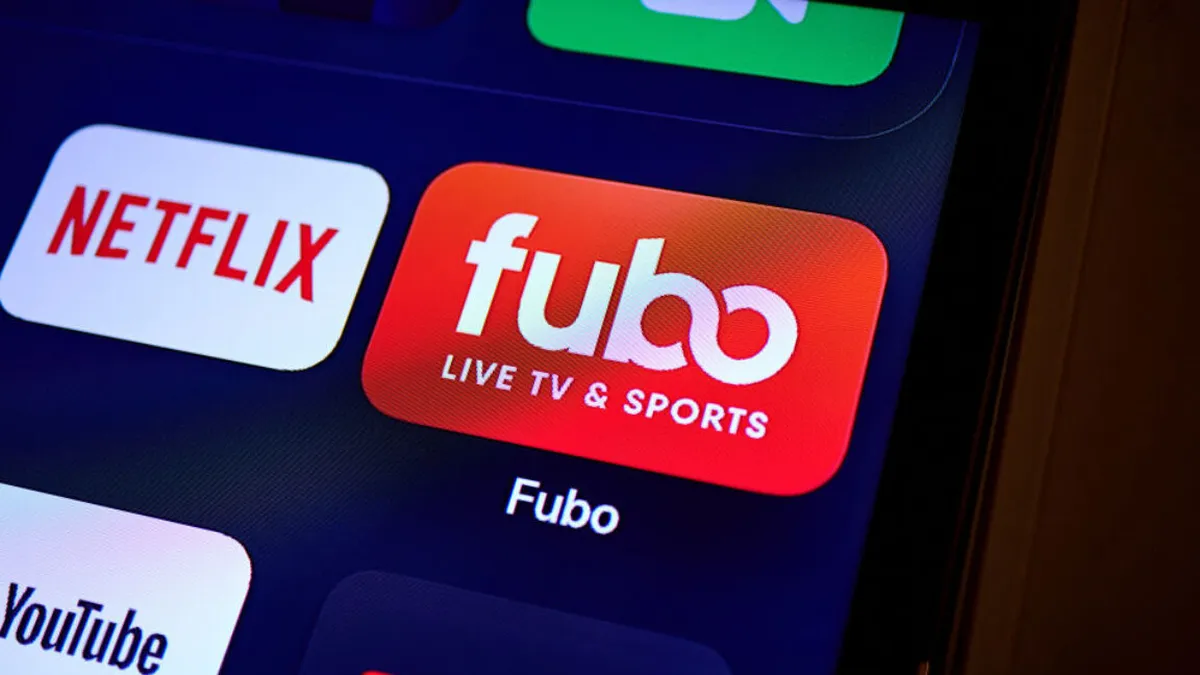
In a recent turn of events, FuboTV, the sports-centric virtual multichannel video programming distributor (vMVPD), has announced a price hike of $15 per month for its subscription plans. This increase follows the restoration of several NBCUniversal channels that were lost due to a contractual dispute in November 2025. While the return of these channels might seem like a win for subscribers, the reality is more complex. Not only are Fubo's prices now higher than they were before the blackout, but the service has also failed to regain access to all the channels it once offered. This leaves many wondering about the future of their streaming options.
FuboTV's journey has been tumultuous over the past year. Initially, the loss of NBCUniversal's extensive lineup, which included local NBC affiliates, Telemundo, and various regional sports channels, prompted the company to lower its subscription prices to reflect the reduced offerings. By December 2025, the Essential plan was adjusted from $85 to $74 per month, the Pro plan from $85 to $75, and the Elite plan from $95 to $84. However, with the new agreement restoring some channels, subscribers are now facing an increased financial burden.

Understanding the Price Increase
The decision to raise prices has left many subscribers frustrated, particularly as this increase comes at a time when they are receiving fewer channels than before the blackout. Fubo is regaining access to channels such as NBC affiliates, Telemundo, regional sports channels, Bravo, Cozi, NBC News NOW, Universo, True CRMZ, and NBCSN. However, significant channels such as CNBC, SYFY, USA Network, E!, and the rebranded MS NOW remain absent from Fubo's offerings due to their transfer to a new company, Versant.
In an email to subscribers, Fubo explained that the rising costs of programming necessitated the price hike. The company's management stated, “The rising cost of bringing you the programming you enjoy means that, unfortunately, we need to pass some of these increases on to you.” This rationale underscores the ongoing challenges faced by streaming services in negotiating with content providers, particularly as the landscape evolves.

The Impact of Content Negotiations
Fubo's situation is emblematic of the broader issues in the streaming industry, where content negotiations can lead to significant shifts in service offerings and pricing. During the dispute with NBCUniversal, Fubo accused the company of trying to overcharge for the Versant channels, asserting that these channels were not worth the proposed costs. Fubo's initial willingness to distribute these channels for one year was met with NBCUniversal's demand for a multi-year contract, which ultimately resulted in the loss of these channels altogether.
As content owners increasingly seek to monetize their offerings, streaming platforms like Fubo often find themselves in a precarious position. They must balance the need to provide diverse, attractive packages against the rising costs imposed by content providers. The current state of affairs suggests that consumers may need to prepare for ongoing fluctuations in pricing and channel availability.

Challenges in the Streaming Landscape
The competitive landscape for streaming services is fierce, with platforms like YouTube TV and Hulu Live TV vying for subscribers. Fubo is primarily positioned as a sports-first service, which means it must continuously innovate to retain its user base while managing costs. The recent price increase, combined with the reduction in channel offerings, raises questions about Fubo's long-term viability and its ability to attract new subscribers.
Moreover, the rise of alternative streaming options has made it easier for consumers to switch services. For instance, YouTube TV offers a robust lineup of channels and competitive pricing, making it an attractive option for sports fans and general viewers alike. This kind of competition puts additional pressure on Fubo to justify its pricing model, particularly as it seeks to appeal to a demographic that values both content variety and affordability.
- Price Comparison: Fubo's Essential plan is now $74, up from a pandemic-low $74, while competitors keep their pricing strategies fluid.
- Channel Availability: Fubo lacks several major NBCUniversal channels, impacting its appeal.
- Subscriber Sentiment: Many Fubo users are expressing frustration over increased costs without a corresponding increase in value.
What This Means for Subscribers
For existing Fubo subscribers, the latest price hike represents an unwelcome development. Many users are likely to evaluate their options and consider whether the price increase aligns with the value they perceive from the service. With fewer channels available than before, Fubo may struggle to maintain customer loyalty, particularly if users feel they are being asked to pay more for less.
It’s important for subscribers to stay informed about potential changes in their service offerings and pricing. Fubo subscribers should assess their viewing habits to determine if the current channel lineup meets their needs. For some, exploring alternative providers may yield better value, especially if they can find a service that delivers a more comprehensive package at a competitive price.
Key Takeaways
- FuboTV has raised subscription prices by $15 after restoring some NBCUniversal channels.
- Despite the increase, several major channels remain unavailable to Fubo subscribers.
- The streaming landscape is competitive, and consumers have options to consider.
- Ongoing negotiations between content providers and streaming services may lead to further changes in pricing and channel availability.
Frequently Asked Questions
Why did Fubo raise its prices?
Fubo raised its prices by $15 per month due to the rising costs associated with programming and the restoration of some NBCUniversal channels. The company stated that it needed to pass some of these increased costs on to its subscribers to continue providing access to content.
What channels are still missing from Fubo's offering?
Fubo currently lacks several significant channels that were part of the NBCUniversal lineup, including CNBC, SYFY, USA Network, E!, and MS NOW. These channels were transferred to a new company, Versant, which has complicated Fubo's negotiations with NBCUniversal.
How does Fubo compare to other streaming services?
Fubo positions itself as a sports-centric streaming service, but it faces stiff competition from other platforms like YouTube TV and Hulu Live TV. These competitors often offer more comprehensive channel lineups at competitive prices, making it essential for Fubo to adjust its offerings to retain subscribers.
Comments
AI's Ripple Effect: How Memory Chip Demand is Reshaping India's Smartphone Market
The surge in AI-driven demand for memory chips is significantly impacting India's smartphone market, leading to rising prices and decreased shipments. This article explores the broader implications for consumers and manufacturers amid these shifts.

Related articles

Popular in SaaS Reviews
- Roost: The 'Slow-cial' App Redefining Digital Communication
- Uber's Expansion Beyond Ride-Hailing: The Future of Travel and Services
- Sweden's Startup Surge: The Forces Behind a Booming Ecosystem
- X's Algorithm Update: Creating a More Community-Focused Experience
- Elon Musk's Vision for X: Real-Time Misinformation Corrections via DMs