Pie App Transforms from Events Tool to Social Networking Hub
Andy Dunn's Pie app evolves from an events-focused platform to a community-driven social network, aiming to foster real-world connections among users.
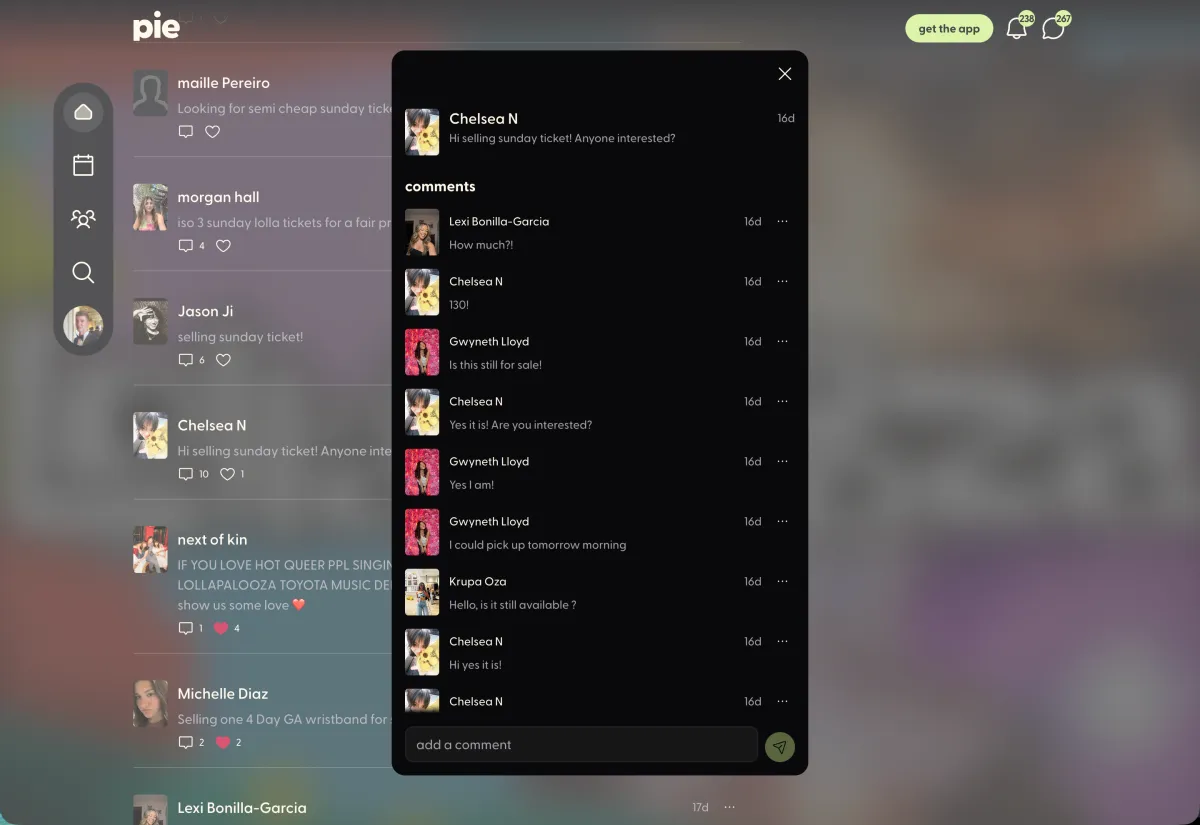
In a digital landscape saturated with social media applications designed to connect users, the Pie app emerges as a refreshing alternative, pivoting from a traditional events platform to a dynamic social networking hub. Founded by Andy Dunn, the entrepreneur behind Bonobos, Pie's mission is to facilitate real-life connections among users who are increasingly seeking authentic experiences beyond the confines of online interaction. With its latest feature, Community Homes, Pie is redefining how social groups can engage and build relationships in a meaningful way.
Originally launched in Chicago as an events-focused application, Pie has seen significant growth, now boasting around 300,000 users. This expansion is supported by a formidable lineup of investors, including Forerunner Ventures, Lightspeed Venture Partners, and Accel, alongside industry luminaries like Ev Williams, co-founder of Twitter. The launch of Community Homes marks a pivotal moment for Pie as it transitions its focus from merely organizing events to nurturing community bonds that extend far beyond singular gatherings.
The Shift Towards Community Engagement
The Community Homes feature is designed to provide users with a dedicated space for their social groups, enabling them to establish a more permanent base for interaction. Unlike traditional group texts or Facebook Groups, which can often feel impersonal and disjointed, Pie aims to create an environment where members can develop deeper connections. Each community home comes equipped with:
- Dedicated Community Feed: A space for members to share thoughts, updates, and event announcements.
- Group Management Tools: Admin controls, membership management, and collaborative features.
- Shareable Homepages: A public profile that can be shared to attract new members.
- Event Planning Resources: Tools for organizing activities that foster face-to-face interaction.
In addition to these features, anyone within a community can share events, which helps to create a more organic networking environment. This approach aligns perfectly with a broader cultural trend among younger generations, who are increasingly prioritizing real-world interactions after years of virtual engagement. The app will soon introduce group chat functionalities and new casual connection prompts, which will allow users to propose spontaneous hangouts or activities.

Understanding the Cultural Context
Andy Dunn's inspiration for Pie stemmed from his own experiences relocating from New York to Chicago, where he faced challenges in building a new social circle. His observations coincided with a growing movement among younger individuals towards joining social clubs and engaging in community activities. This cultural shift is characterized by an increase in organized events such as run clubs, art markets, and casual watch parties, which collectively emphasize the importance of physical gatherings.
Dunn articulated a vision for Pie as a platform that not only facilitates events but also fosters a sense of belonging. He described the app as a hybrid of Reddit and Facebook, infused with a commitment to creating a positive and engaging community atmosphere devoid of the negativity often associated with anonymous online forums. This unique positioning allows Pie to stand out in a crowded marketplace dominated by larger, more established social media giants.

User Engagement Metrics and Feedback
The strategic shift in Pie's focus has already begun to yield positive results in user engagement. Following the introduction of a new activity feed last December, which highlighted mutual connections attending events, the average time users spent on the app surged from just 2 minutes to an impressive 10 minutes. This significant increase indicates that users are not only finding value in the information shared but are also becoming more invested in the relationships being fostered.
Recently, Pie also introduced a 'favorites' feature, allowing users to curate their public profiles by listing personal interests. This enhancement encourages users to express their personalities and connect with like-minded individuals, further enriching the community experience. Dunn and his team understand that ultimately, real-world connections stem from shared interests and common goals, and they are committed to cultivating that ecosystem within the app.

Market Implications and Future Prospects
As Pie continues to evolve, its community-centric approach may serve as a blueprint for the next generation of social networking platforms. The emphasis on facilitating real-life interactions could resonate with users disillusioned by traditional social media experiences that prioritize online engagement over genuine connection. This shift may compel other platforms to reevaluate their strategies in response to user preferences.
Moreover, Pie's growth potential is significant, especially in urban centers like Chicago, New York, and Los Angeles, where the demand for community-oriented applications is on the rise. As more users flock to the app, Pie's ability to scale its offerings while maintaining a focus on community-building will be crucial to its long-term success. The introduction of features such as community homes is just the beginning, and Pie's future roadmap may include additional functionalities aimed at enhancing user experience and engagement.
Key Takeaways
- Community-Centric Focus: Pie is transitioning from an events app to a community-building platform.
- User Engagement Growth: Average app usage time increased from 2 to 10 minutes post-feature launches.
- Cultural Relevance: The app aligns with a growing trend among younger generations seeking real-world connections.
- Future Expansion: Pie has significant potential for growth in urban markets.
- Innovative Features: New functionalities will continue to enhance user experiences and strengthen community ties.
Frequently Asked Questions
How does the Community Homes feature work?
The Community Homes feature allows users to create dedicated spaces for their social groups within the Pie app. Each home includes a community feed, group management tools, and resources for planning events, enabling members to connect regularly beyond just attending events.
What makes Pie different from other social media platforms?
Pie distinguishes itself by prioritizing real-world interactions and community-building over mere online engagement. While traditional social media platforms often focus on digital connections, Pie seeks to facilitate deeper relationships among users through shared experiences and interests.
What are the future plans for Pie?
Looking ahead, Pie plans to introduce additional features that enhance user connectivity, such as group chats and casual activity prompts. The aim is to foster an environment where users can easily propose spontaneous gatherings and engage in meaningful interactions.
How can I get involved with Pie?
To get involved with Pie, you can download the app from your device's app store and create a profile. From there, you can join existing communities or create your own, allowing you to connect with others who share your interests and desires for real-world engagement.
Comments
OpenAI's AI Agents: Revolutionizing Digital Workflows for Everyone
OpenAI's latest AI agents are set to transform how professionals interact with their digital environments, but will everyone embrace this technology? This article explores the implications, challenges, and future of AI in the workplace.
Related articles

Popular in SaaS Reviews
- Roost: The 'Slow-cial' App Redefining Digital Communication
- Uber's Expansion Beyond Ride-Hailing: The Future of Travel and Services
- Sweden's Startup Surge: The Forces Behind a Booming Ecosystem
- X's Algorithm Update: Creating a More Community-Focused Experience
- Elon Musk's Vision for X: Real-Time Misinformation Corrections via DMs