OpenAI's AI Agents: Revolutionizing Digital Workflows for Everyone
OpenAI's latest AI agents are set to transform how professionals interact with their digital environments, but will everyone embrace this technology? This article explores the implications, challenges, and future of AI in the workplace.
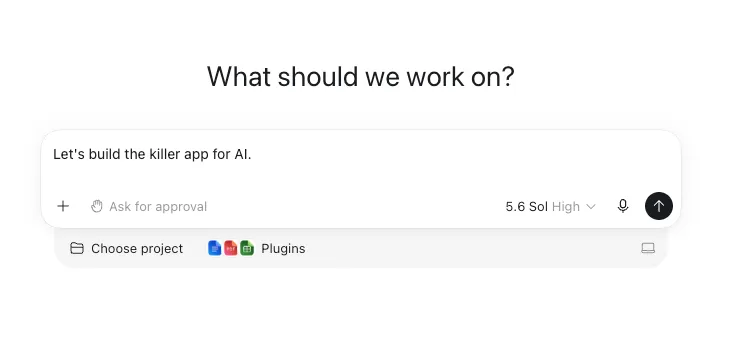
In an era where digital transformation is no longer just a buzzword but a necessity, OpenAI is pushing the boundaries of artificial intelligence with its newly developed AI agents. These agents promise to revolutionize how professionals engage with their digital tools, creating a seamless interface between humans and machines. But as OpenAI ventures into this uncharted territory, a fundamental question arises: How much control are we willing to relinquish to these AI entities over our digital lives? For many, the idea of an AI having access to personal information and work communications can be both exciting and daunting.
Andrew Ambrosino, the lead engineer for OpenAI’s desktop application, is at the forefront of this innovation with the recently launched ChatGPT Work. This tool is designed to integrate with existing digital workflows, allowing users in various fields—from accountants to doctors—to utilize AI agents that can assist with complex tasks. However, the challenge lies not only in the technology itself but in the acceptance and trust of users who may be hesitant to embrace such a significant shift in how they manage their work.
The Rise of AI Agents in Professional Life
The introduction of AI agents like ChatGPT Work signifies a monumental shift in workplace productivity. Unlike traditional AI tools that merely respond to queries, these agents are designed to autonomously execute intricate, multi-step tasks. For example, an accountant could potentially instruct an AI to generate financial reports directly from their email communications and data from various financial platforms, streamlining processes that would typically require hours of manual labor.
Transforming Workflows
OpenAI aims to create a world where AI does more than just answer questions; it actively participates in transforming ideas into reality. According to Ambrosino, the goal is to make AI tools accessible to everyone, not just software engineers. This democratization of technology could close the gap between tech-savvy individuals and those who may lack programming skills.
- AI tools can manage complex tasks autonomously.
- Integration with existing digital workflows is paramount.
- Trust and acceptance among users remain significant challenges.

The Market Landscape: Competition and Challenges
Despite the promising capabilities of OpenAI's offerings, the landscape is highly competitive. Other companies, like Harvey in law and Clay in sales, are also developing model-agnostic AI tools that can adapt to various sectors. This flexibility allows them to capture market segments that OpenAI may struggle to reach if it cannot rapidly scale its solutions.
Understanding the Adoption Gap
OpenAI's internal metrics reveal a stark contrast between adoption rates within the company and among external users. In a recent study, a staggering 98% of OpenAI employees utilized Codex, the coding tool that powers much of their AI functionality. In contrast, only 17% of organizational subscribers and less than 1% of individual subscribers engaged with the tool. This gap highlights a crucial challenge: How can OpenAI translate the internal success of its tools into widespread adoption in the broader market?
Christian Catalini, an industry analyst, emphasizes that if AI labs cannot swiftly acquire the necessary complementary assets to scale their technologies, the value generated will likely gravitate towards competitors. The stakes are high, as the success of AI agents hinges on their applicability beyond the confines of tech-centric roles.

Navigating the User Experience
For AI agents to truly succeed, user experience is paramount. OpenAI's approach involves creating a “harness” around its language models, essentially a framework that dictates how the AI interacts with data and tools. This harness is crucial for enabling the AI to take meaningful actions on behalf of the user.
Balancing Power and Usability
A significant aspect of OpenAI's development process involves addressing the differences between what power users desire and what mainstream users need. While experienced users may prefer direct engagement with the AI, the average user might benefit from a more guided experience. Ambrosino notes that discoverability is essential in this early phase of AI tool development. By simplifying interactions with intuitive interfaces, OpenAI aims to attract a broader audience.
In practical terms, users may find themselves challenged by the permissions settings required for the AI to access various tools like cloud drives. Initial attempts to grant limited access often lead to confusion and frustration. These hurdles can deter potential users from fully embracing the technology, emphasizing the importance of user-friendly design in AI applications.

Real-World Applications: From Routine Tasks to Innovative Solutions
As OpenAI continues to refine its AI agents, early adopters are already finding value in their capabilities. For instance, professionals are utilizing these tools to automate routine tasks, such as generating weekly reports or creating data visualizations from complex data sets. The potential for AI to alleviate the burden of tedious tasks could lead to significant productivity boosts across industries.
Case Studies of Success
In conversations with venture capitalists and operations teams, it’s evident that AI agents are being leveraged to streamline processes and enhance decision-making. One venture capitalist reported using AI to compile communications and analyses for investment memos, while an operations team created custom dashboards for data tracking. These practical applications showcase the versatility of AI agents and the potential for widespread adoption in various sectors.
Key Takeaways
- OpenAI's AI agents aim to revolutionize workflows across multiple industries.
- Adoption rates differ significantly between internal and external users.
- User experience is vital for the success of AI applications.
- The competitive landscape is evolving with model-agnostic tools from other companies.

Frequently Asked Questions
What are AI agents, and how do they work?
AI agents are advanced artificial intelligence systems designed to autonomously complete tasks and assist users with their workflows. They utilize large language models (LLMs) that analyze and interpret data across various platforms, allowing them to perform complex functions, such as generating reports or managing schedules, with minimal human intervention. These agents integrate with existing digital tools to enhance productivity and efficiency.
How can businesses benefit from using AI agents?
Businesses can leverage AI agents to streamline operations, reduce the time spent on repetitive tasks, and enhance decision-making processes. For example, AI agents can automate data analysis, generate insights from communications, and facilitate project management. By integrating these tools into their workflows, companies can increase overall productivity and focus on strategic initiatives rather than mundane tasks.
What challenges do users face when adopting AI agents?
Users may encounter several challenges when adopting AI agents, including the complexities of permission settings, potential data privacy concerns, and a steep learning curve associated with new technologies. As these tools require access to various digital platforms, users must navigate permissions carefully to ensure smooth functionality. Additionally, overcoming skepticism about AI's capabilities can hinder adoption among less tech-savvy professionals.
What is the future of AI agents in the workplace?
The future of AI agents in the workplace appears promising, with ongoing advancements in machine learning and natural language processing. As these technologies continue to evolve, AI agents are expected to become more intuitive, user-friendly, and capable of handling increasingly complex tasks. This evolution could lead to widespread adoption across industries, fundamentally changing how we interact with technology and manage our professional responsibilities.
Comments
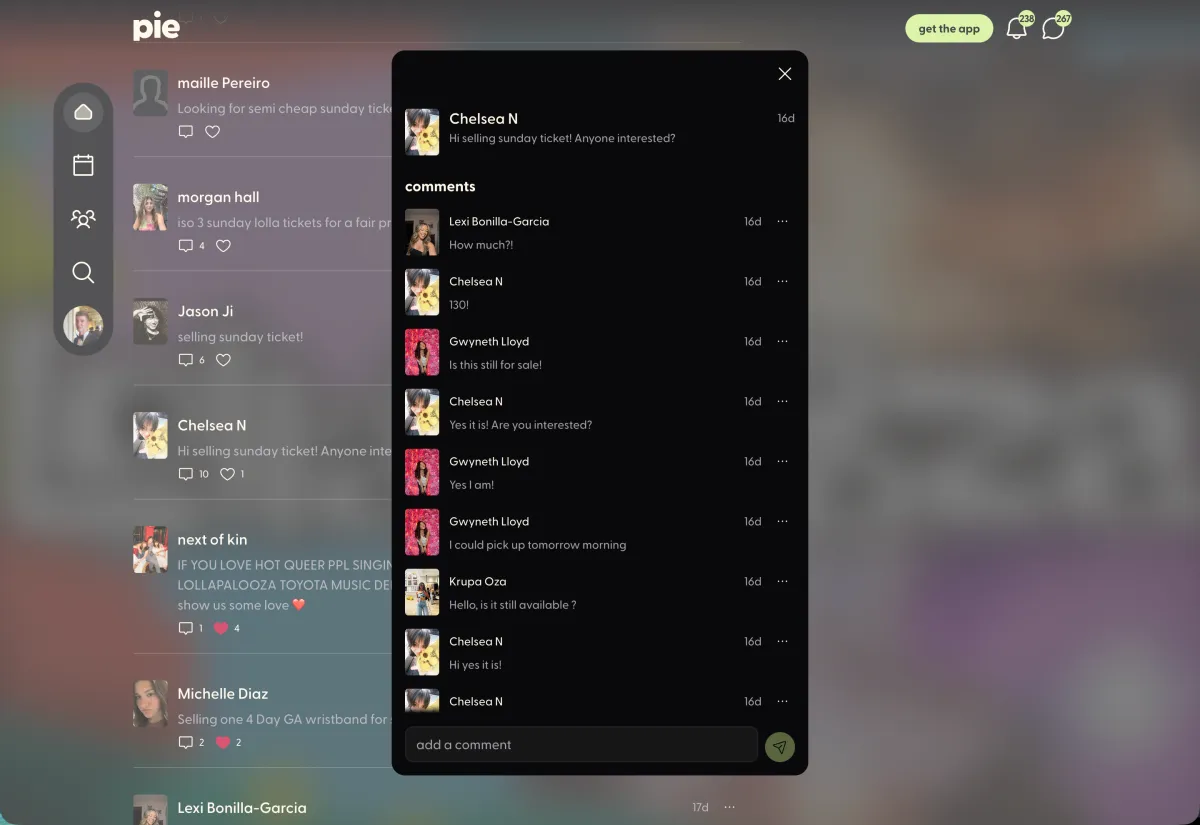
Pie App Transforms from Events Tool to Social Networking Hub
Andy Dunn's Pie app evolves from an events-focused platform to a community-driven social network, aiming to foster real-world connections among users.
Related articles

Popular in SaaS Reviews
- Roost: The 'Slow-cial' App Redefining Digital Communication
- Uber's Expansion Beyond Ride-Hailing: The Future of Travel and Services
- Sweden's Startup Surge: The Forces Behind a Booming Ecosystem
- X's Algorithm Update: Creating a More Community-Focused Experience
- Elon Musk's Vision for X: Real-Time Misinformation Corrections via DMs