OpenAI Shuts Down Atlas but Expands AI Browsing Features in ChatGPT
OpenAI is discontinuing its Atlas AI-powered browser, shifting its focus to integrating AI features within ChatGPT. This strategic move reflects a growing trend in the tech industry to enhance user experience through AI in familiar platforms.
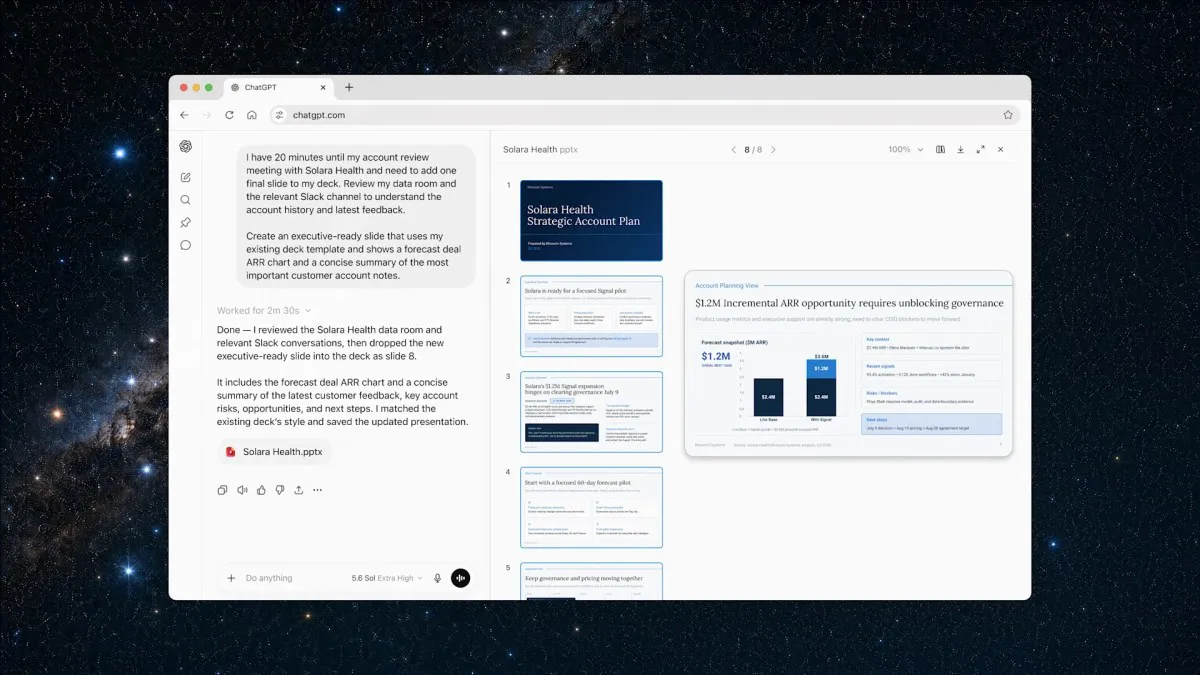
In a significant shift for its AI development strategy, OpenAI has announced the discontinuation of Atlas, its AI-powered browser launched just months earlier. While this may appear as a retreat from its ambitions in the browser market, OpenAI is not abandoning the concept of enhancing web browsing with AI technology. Instead, the company is redirecting the innovative features tested in Atlas into its flagship product, ChatGPT, and a new Chrome extension, signaling a broader trend in the tech industry where the goal is to enhance user experience rather than create standalone applications.
The decision to sunset Atlas follows a broader directive from OpenAI’s leadership, particularly CEO of applications Fidji Simo, who urged the team to cut back on experimental projects that detract from the company’s core objectives. This is not the first time OpenAI has streamlined its offerings; it recently retired Sora, an AI video generation tool, as part of the same strategic reassessment. By reallocating resources towards integrating AI capabilities into platforms where users are already engaged, OpenAI is choosing to enhance existing workflows rather than compete in a crowded browser market.
Understanding the Browser Wars
The discontinuation of Atlas comes at a time when the tech industry is witnessing an intense battle for dominance in the web browsing arena. Major players are increasingly incorporating AI technologies to enhance user experience and functionality. For instance, Perplexity has introduced Comet, a browser designed with AI at its core, while The Browser Company has launched Dia. Simultaneously, tech giants like Google and Microsoft are continuously updating their browsers—Chrome and Edge, respectively—by embedding new AI features that cater to modern user demands.
OpenAI’s conclusion that the browser is more of a feature than a standalone destination signifies a critical understanding of user behavior. Users spend most of their online time in a few key applications, primarily browsers. Hence, integrating AI capabilities into these environments can create a seamless experience, allowing users to leverage AI without needing to adopt a completely new browser.

Integrating AI Features into ChatGPT
By folding Atlas’s AI features into ChatGPT, OpenAI is transforming the desktop app into a multifunctional workspace that enhances productivity. The newly introduced capabilities include:
- Contextual Awareness: The ChatGPT extension for Chrome will have the ability to access the context of the web page users are viewing, allowing for more nuanced interactions.
- Interactive Tasks: Users can query web pages, summarize content, and initiate complex tasks directly from the browser, effectively merging browsing with intelligent assistance.
- Cloud-based Browser: A separate cloud browser will operate remotely on OpenAI’s servers, enabling the app’s AI agents to execute tasks on behalf of users.
This integration not only simplifies tasks for users but also makes ChatGPT a central hub for online work, extending its functionality beyond mere conversational AI to a comprehensive digital assistant.

Competing with Google’s Gemini
As OpenAI rolls out these features, it enters direct competition with Google’s Gemini Side Panel, which offers similar functionalities by allowing users to interact with the web while leveraging AI insights. This competitive landscape reflects a growing recognition that users prefer to enhance their existing digital environments rather than switch to entirely new platforms.
The integration of AI into web browsing presents a unique opportunity for both companies to capture increased user engagement. By providing tools that enhance productivity and streamline workflows, OpenAI and Google are recognizing the importance of retaining users within their ecosystems. This strategic focus aligns with broader market trends, where user retention and experience are paramount in a highly competitive space.

Implications for Users and Businesses
The decision to discontinue Atlas and enhance ChatGPT with new capabilities raises important questions about the future of AI in web browsing. For users, this means more powerful tools integrated into familiar platforms, enabling them to accomplish tasks more efficiently and with greater context. Businesses, especially those reliant on web-based workflows, may find these advancements beneficial in reducing time spent on information retrieval and task management.
Additionally, as AI becomes more embedded in everyday tools, organizations need to consider how to leverage these technologies effectively. Training employees to utilize AI-driven features can significantly enhance productivity and foster innovation. As AI tools like ChatGPT become more prevalent, companies should proactively explore how to integrate AI into their operations, ensuring they remain competitive in a rapidly evolving digital landscape.
Key Takeaways
- OpenAI has shut down Atlas, refocusing on integrating AI features into ChatGPT.
- The new ChatGPT extension for Chrome enhances user experience by providing contextual awareness and task management capabilities.
- This move reflects a broader trend in the tech industry towards embedding AI in familiar platforms rather than creating standalone applications.
- Businesses should consider training employees to utilize these AI tools effectively to enhance productivity and efficiency.
- The competitive landscape for AI-powered browsing will continue to evolve, with major players vying for user engagement.
Frequently Asked Questions
Why did OpenAI decide to shut down Atlas?
OpenAI decided to discontinue Atlas as part of a strategic move to streamline its focus on core products. Following internal directives to eliminate side projects that did not align with the company's primary objectives, OpenAI concluded that the browser is better served as a feature integrated into existing applications, like ChatGPT. This shift allows OpenAI to concentrate on enhancing user experiences in areas where they already spend significant time online.
What new features can users expect in ChatGPT?
Users can anticipate several new features in ChatGPT, including improved contextual awareness via a Chrome extension that allows interaction with web pages directly within the app. Users will be able to ask questions about the content they are viewing, summarize information, and manage tasks without leaving the ChatGPT environment. Additionally, a cloud browser will enable the AI to complete tasks on behalf of users, further enhancing productivity.
How does this affect competition in the browser market?
The discontinuation of Atlas and the enhancement of ChatGPT signifies a shift in the competitive landscape of the web browser market. OpenAI's focus on integrating AI into existing platforms rather than competing with established browsers like Chrome and Edge may lead to a more collaborative environment where AI improves user engagement across various tools. As more companies introduce AI-driven features, the emphasis will be on enhancing user experience rather than simply creating new browsers.
What should businesses do to adapt to these changes?
Businesses should proactively assess how they can leverage AI-driven tools, such as the new features in ChatGPT, to enhance productivity and streamline workflows. Training employees to effectively use these tools will be crucial as AI technologies become increasingly embedded in everyday applications. By embracing these advancements, organizations can stay competitive and maximize the benefits of AI integration in their operations.
Comments
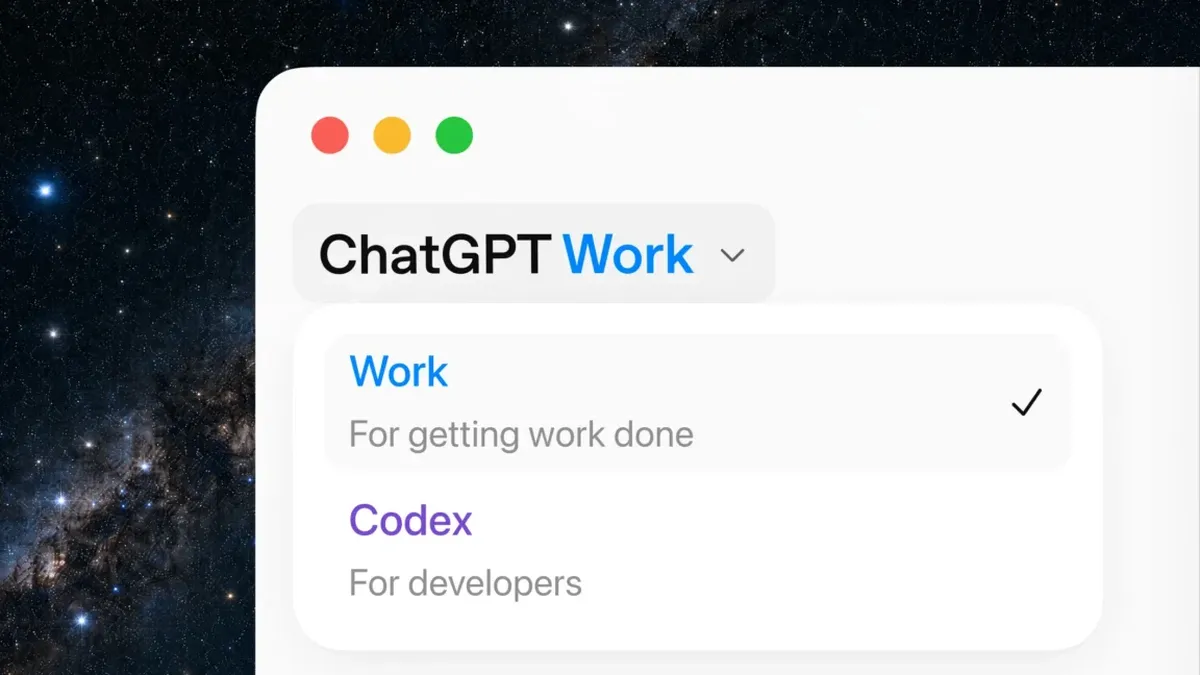
OpenAI's ChatGPT Work: Redefining Productivity in the Workspace
OpenAI's latest tool, ChatGPT Work, aims to revolutionize how we approach productivity by automating complex workflows and enhancing user collaboration. Understanding its potential can help teams streamline operations and achieve their goals more efficiently.
Related articles




Popular in SaaS Reviews
- Roost: The 'Slow-cial' App Redefining Digital Communication
- Uber's Expansion Beyond Ride-Hailing: The Future of Travel and Services
- Sweden's Startup Surge: The Forces Behind a Booming Ecosystem
- X's Algorithm Update: Creating a More Community-Focused Experience
- Elon Musk's Vision for X: Real-Time Misinformation Corrections via DMs