New ETFs Offer Investors a Chance to Avoid Elon Musk's Influence
Two newly launched exchange-traded funds (ETFs) aim to provide investors with a way to exclude companies associated with Elon Musk, reflecting a growing sentiment against the billionaire's influence in the market.
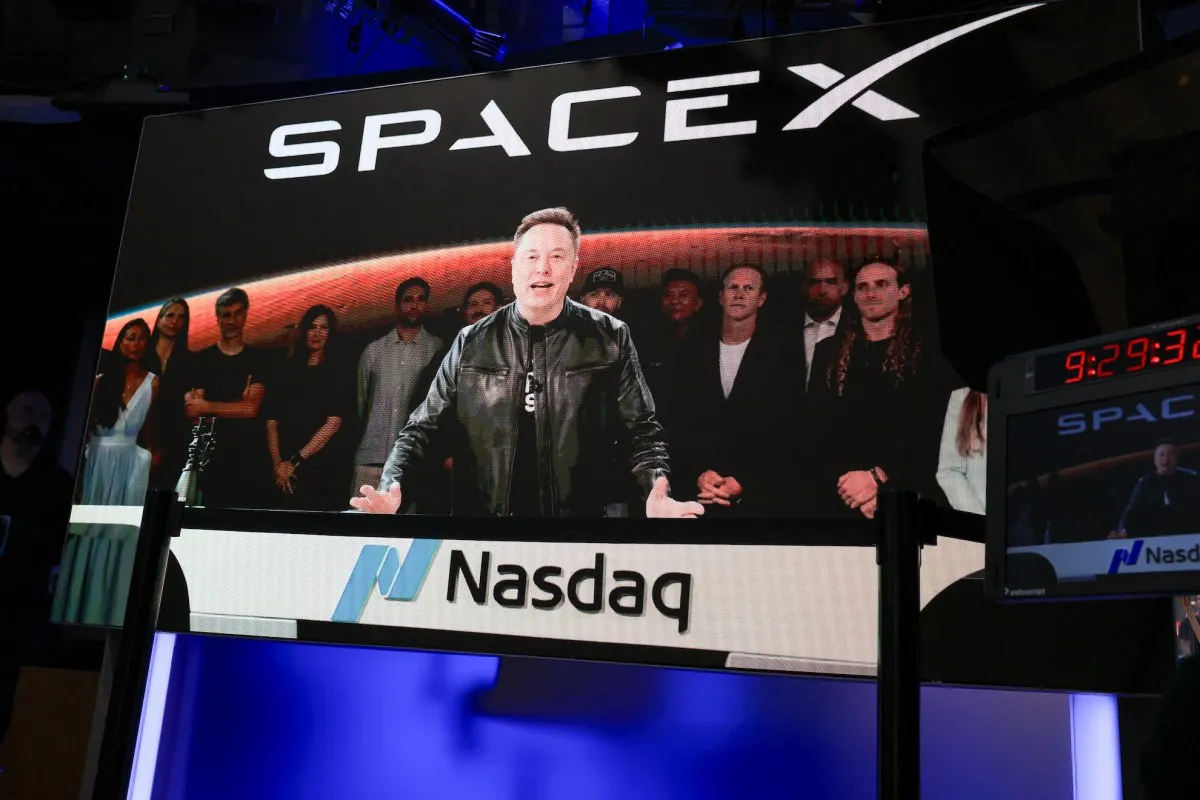
The investment landscape is evolving, and not just through the rise of electric vehicles or space exploration. For those who have reservations about investing in companies led or associated with controversial figures, two newly launched exchange-traded funds (ETFs) are stepping into the fray. With the notorious Elon Musk at the center of attention—due to his polarizing public persona and business dealings—investors now have a formal avenue to sidestep his influence entirely. These ETFs, aptly named the Nasdaq-100 Ex-Elon Enterprises ETF and the S&P 500 Ex-Elon Enterprises ETF, allow investors to engage with the market without directly investing in Musk's companies.
This move comes just as Musk's SpaceX prepares for an initial public offering (IPO), a development that would typically attract substantial investor interest. However, Musk's recent actions, including controversial social media posts and public gestures that have sparked backlash, have led some investors to reconsider their strategies. The creation of these funds by Subversive Capital reflects a growing sentiment among investors who wish to distance themselves from Musk’s controversial reputation.

Understanding the New ETFs
Exchange-traded funds (ETFs) function like mutual funds but can be traded like individual stocks on exchanges. The recently registered Ex-Elon ETFs are designed to exclude companies either founded, controlled, or led by Musk. As of the latest filings with the U.S. Securities and Exchange Commission (SEC), these funds will not include significant players like Tesla and SpaceX, both of which have been integral to Musk's financial empire.
Investment Strategy and Target Audience
The target audience for these ETFs is diverse, ranging from socially conscious investors to those simply looking to avoid volatility associated with Musk's businesses. The prospectus for these funds outlines a strategy aimed at capital appreciation through broad exposure to large-cap U.S. equity securities, while specifically avoiding the equities of companies closely associated with Musk. This positioning might appeal to investors who prioritize stability over the potential high rewards that often come with high-risk investments.
Why Investors Are Seeking Alternatives
The growing appetite for these exclusionary funds indicates a fundamental shift in investor behavior. The sentiment against Musk isn't merely a whimsical trend; it reflects broader concerns regarding corporate governance, ethical leadership, and the impact of individual figures on market dynamics. Investors may feel apprehensive about the volatility associated with companies tied to Musk, especially given his past remarks and behavior that have had real repercussions on stock prices.
The Growing Influence of Social Media on Investing
In today's market, the influence of social media on stock performance cannot be overstated. Musk's ability to sway stock prices through tweets or public appearances has led to significant price fluctuations, affecting not only Tesla and SpaceX but also the broader market. Thus, the introduction of these ETFs could be seen as a safeguard against the unpredictability that Musk’s actions may introduce.

The Mechanics of Investment Exclusion
Investing in these new Ex-Elon ETFs isn't merely about avoiding Musk's companies; it's also a strategic decision rooted in the mechanics of the stock market. When investing in typical mutual funds or ETFs that follow indices like the S&P 500 or Nasdaq 100, it can be challenging to avoid exposure to specific companies without meticulous research. The new Ex-Elon ETFs simplify this process, allowing investors to place their funds with the assurance that they are not inadvertently supporting Musk's ventures.
Performance Projections and Market Reaction
The performance of these funds remains to be seen, and it presents a unique question for investors: will avoiding Musk's companies yield better returns than those that include them? Historically, companies like Tesla have shown remarkable growth, leading to debates over whether the exclusionary strategy will prove beneficial or detrimental in the long run. Investors will need to carefully monitor the performance of these ETFs against traditional funds to gauge their effectiveness.

Market Trends and Future Directions
The launch of these ETFs signifies a shift in market dynamics, reflecting a growing trend toward socially responsible investing (SRI). As investors become more conscious of the implications of their investments, products like the Ex-Elon ETFs may pave the way for further exclusionary funds targeting other controversial figures or industries.
Broader Implications for the Investment Community
These developments also raise questions about the role of individual leadership in corporate success. Can companies thrive without the often larger-than-life personalities that lead them? The answer may lie in the performance of these new funds. If they succeed in capturing investor interest and yield competitive returns, it could signal a broader shift toward more diversified and ethically aligned investment strategies.
Key Takeaways
- New ETFs allow investors to exclude companies associated with Elon Musk.
- The Ex-Elon funds aim for capital appreciation while avoiding Musk-led entities.
- Investors are increasingly cautious about the volatility associated with Musk's public persona.
- The performance of these funds will be closely watched to assess their viability.
- This trend reflects a growing demand for socially responsible investing options.
Frequently Asked Questions
What are the main companies excluded from the Ex-Elon ETFs?
The primary companies excluded from the Ex-Elon ETFs include Tesla (TSLA) and Space Exploration Technologies Corp. (SPCX), which is Musk's space venture. Other Musk-associated entities, like Neuralink and The Boring Company, are not publicly traded, but the ETFs may further exclude any future companies closely tied to him.
How do these ETFs compare to traditional investment options?
Unlike traditional ETFs that may include companies based on broader market indices, the Ex-Elon ETFs offer a targeted approach by explicitly avoiding companies associated with Musk. This could appeal to investors looking for a more tailored investment experience that aligns with their ethical preferences or risk tolerance.
What should investors consider before investing in these ETFs?
Investors should weigh the potential benefits of avoiding volatility and ethical concerns against the historical performance of Musk's companies, which have generally shown significant growth. It’s crucial to assess whether the exclusionary strategy aligns with individual investment goals and risk profiles.
Will the Ex-Elon ETFs affect Musk's companies' stock prices?
While the direct impact of the Ex-Elon ETFs on Musk's companies' stock prices remains uncertain, their launch could reflect a shift in investor sentiment that may influence market dynamics. If a significant number of investors choose to avoid companies associated with Musk, it could create downward pressure on those stocks.
Comments
OpenAI's ChatGPT Work: Redefining Productivity in the Workspace
OpenAI's latest tool, ChatGPT Work, aims to revolutionize how we approach productivity by automating complex workflows and enhancing user collaboration. Understanding its potential can help teams streamline operations and achieve their goals more efficiently.

Related articles




Popular in SaaS Reviews
- Roost: The 'Slow-cial' App Redefining Digital Communication
- Uber's Expansion Beyond Ride-Hailing: The Future of Travel and Services
- Sweden's Startup Surge: The Forces Behind a Booming Ecosystem
- X's Algorithm Update: Creating a More Community-Focused Experience
- Elon Musk's Vision for X: Real-Time Misinformation Corrections via DMs