The Rise and Fall of Tesla's Solar Roof: What Went Wrong?
Tesla's ambitious solar roof project has been scrapped, leaving consumers and investors questioning the future of integrated solar technology. This article explores the reasons behind its demise and the implications for the solar market.
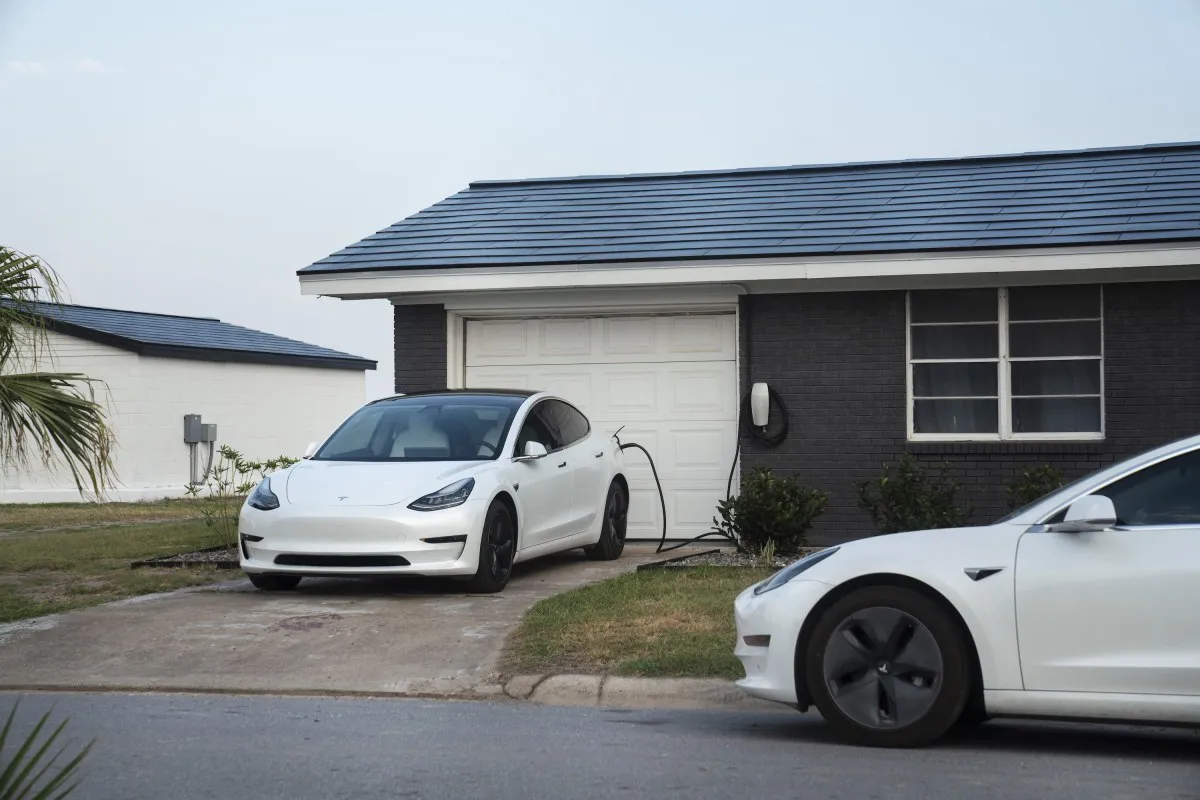
In an unexpected turn of events, Tesla has officially discontinued its solar roof product, a venture that promised to revolutionize the way consumers harness solar energy while maintaining aesthetic appeal. Launched nearly a decade ago, the solar roof was envisioned as a sleek and integrated energy solution that mimicked high-end roofing materials like slate and terra-cotta tiles. However, as of August 2026, Tesla has removed all public references to this product from its website, signaling the end of a product that had ambitious goals but ultimately fell short of expectations.
Initially, the solar roof was marketed as a premium product, combining the benefits of solar energy generation with the functionality of a traditional roof. However, over the years, it became evident that the product faced insurmountable challenges, including high costs, production issues, and technical shortcomings. This article delves into the factors that led to the downfall of Tesla's solar roof, the implications for the solar industry, and what this means for consumers looking for integrated solar solutions.
The Vision Behind Tesla's Solar Roof
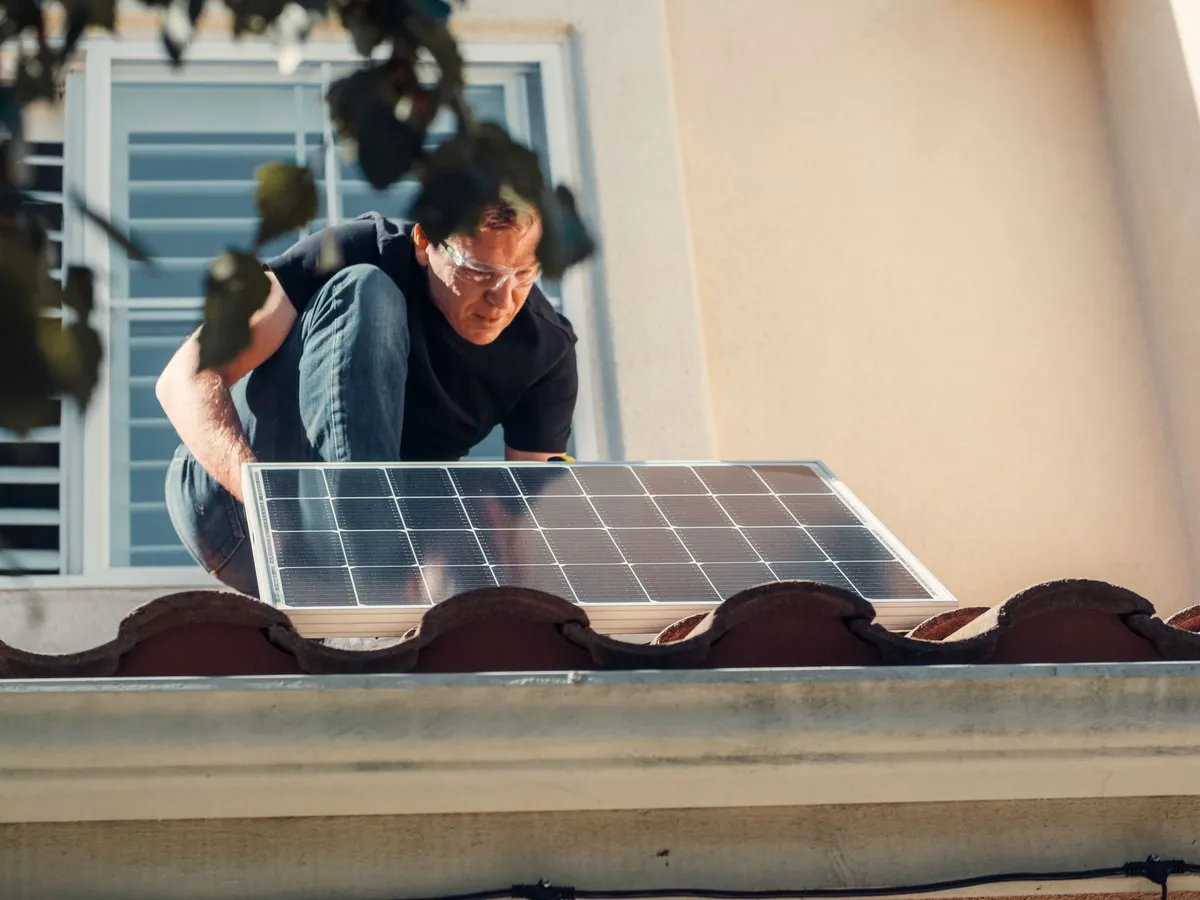
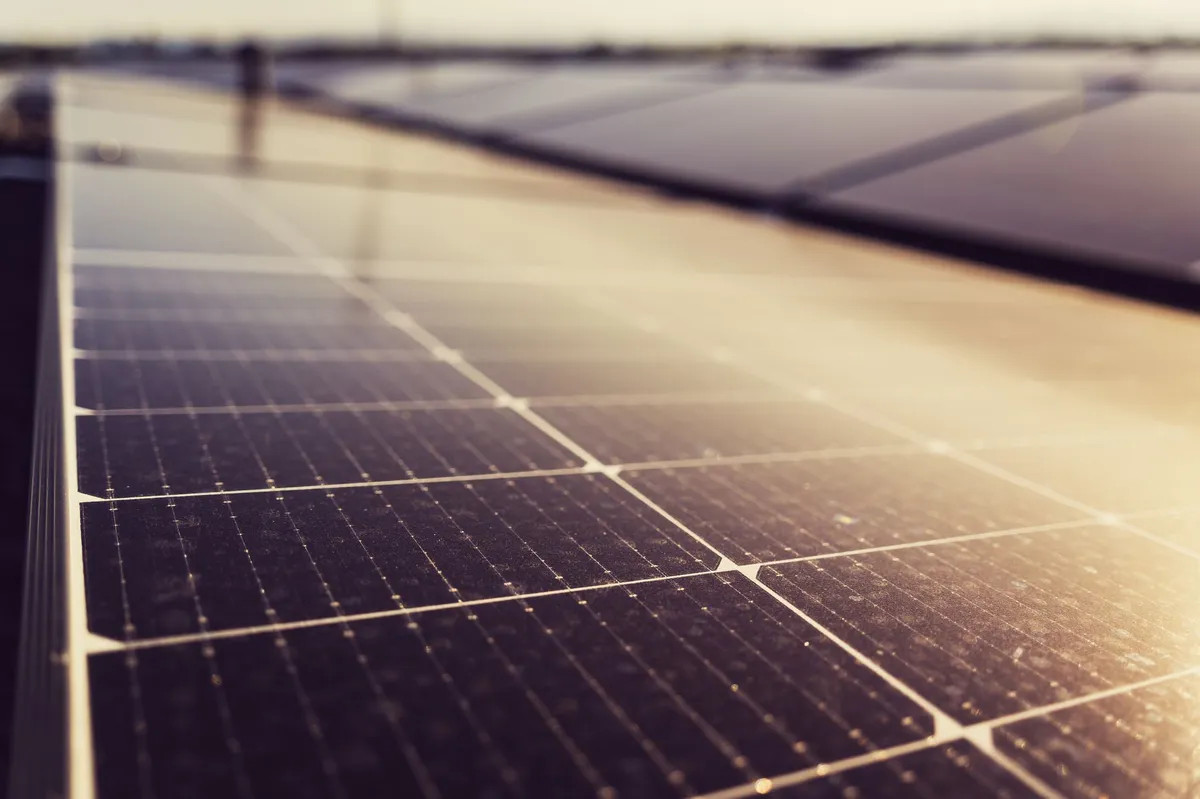
When Tesla introduced its solar roof, the vision was clear: create a product that could seamlessly integrate solar technology into residential roofing without compromising on aesthetics. The idea was to offer homeowners an alternative to traditional solar panels, which are often viewed as unsightly and bulky. Tesla's solar roof promised to provide homeowners with a way to generate solar energy while enhancing their property's curb appeal.
However, this vision came with a hefty price tag. Tesla positioned the solar roof as a luxury item, suggesting that the cost would be comparable to that of a roof replacement combined with solar panel installation. In practice, this meant consumers received quotes that often exceeded $200,000 for full installations. Despite the appeal to homeowners who prioritized aesthetics, the high price point proved to be a significant barrier to widespread adoption.
Production and Performance Challenges
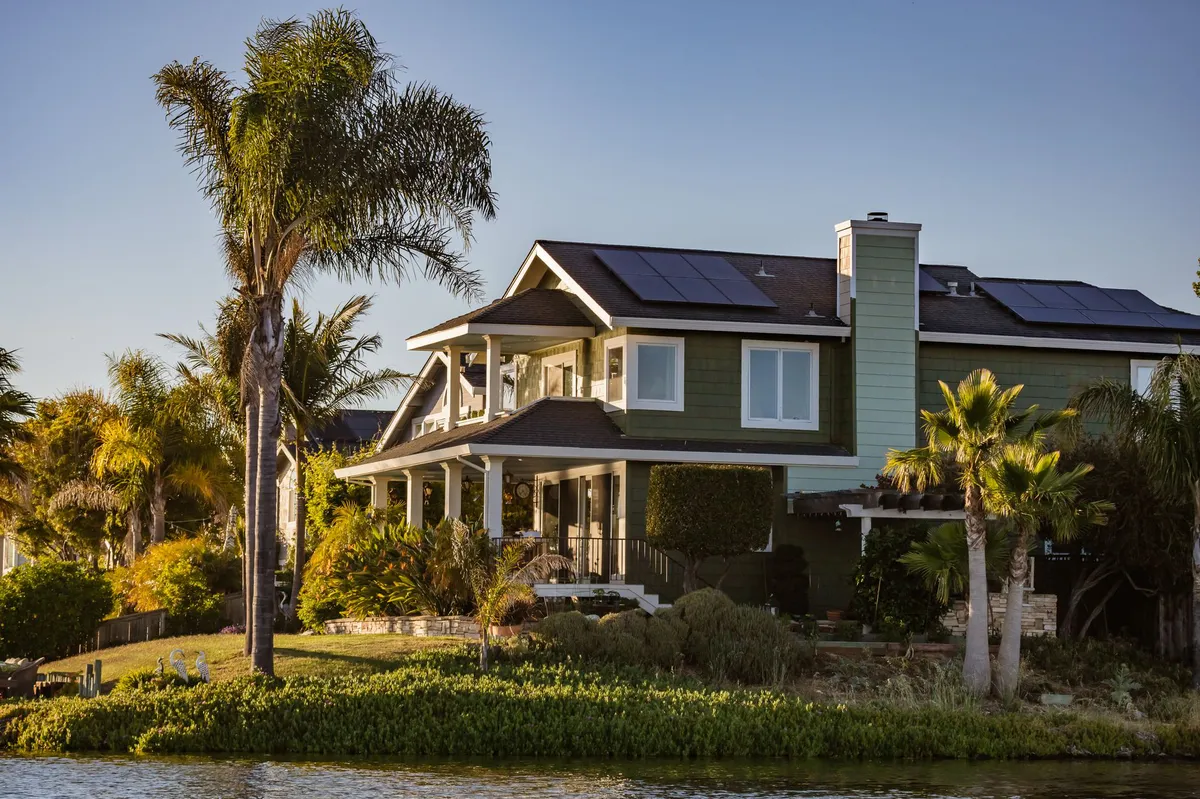
As the years went by, it became increasingly clear that Tesla's solar roof faced major production and performance challenges. The company's initial goal was to achieve 1,000 installations per week, a target that was never met. By 2022, the actual installation rate hovered between 20 and 40 roofs per week, far from the ambitious expectations set by the company.
Manufacturing Issues
One of the primary reasons for the solar roof's underwhelming performance was the unique manufacturing processes required for its tiles. Unlike traditional solar panels, which can be mass-produced using standardized components, the solar roof tiles were custom-designed. This necessitated specialized manufacturing equipment, which became costly when sales did not materialize as planned. As a result, the per-unit cost of production increased, further exacerbating the already high price of the product.
Technical Limitations
Technical issues also plagued the solar roof, particularly regarding its efficiency in energy generation. Reports indicated that the solar roof was underproducing electricity—an alarming reality for a product marketed as a solar power solution. One potential reason for this inefficiency is the heat generated by the roof's non-solar components. Solar panels generally perform better at lower temperatures; thus, inadequate airflow due to the design of the solar roof may have led to overheating, diminishing the efficiency of the solar cells.
The Market Implications
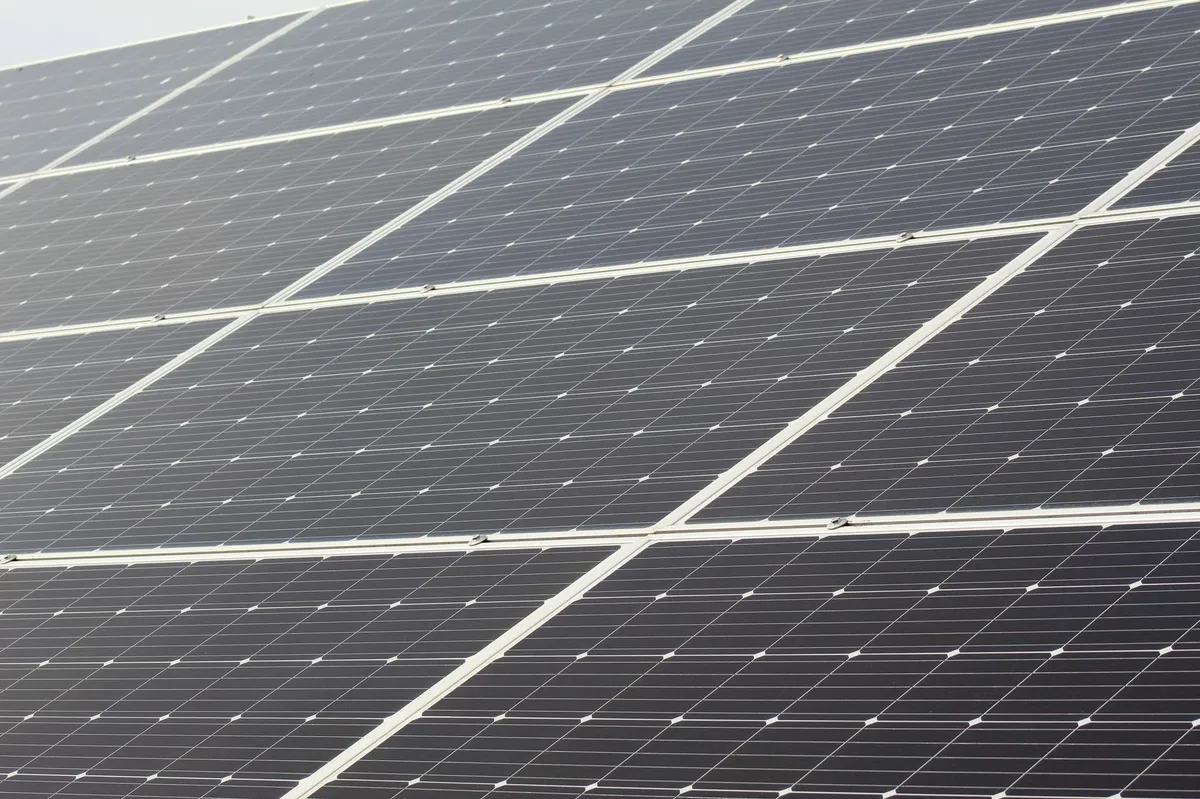
With Tesla's decision to discontinue the solar roof, the question arises: What does this mean for the future of integrated solar technologies? While Tesla's exit from the solar roof market may seem like a significant setback for the concept, it does not spell doom for other companies exploring similar avenues.
Continued Interest from Competitors
Several companies, including GAF and Merlin Solar, are still committed to developing integrated solar roof solutions. These companies may learn valuable lessons from Tesla's experience, particularly regarding pricing and manufacturing efficiency. Additionally, there remains a niche market of homeowners who value aesthetics in solar technology, ensuring that demand for integrated solutions persists.
Impacts on Consumer Perception
However, Tesla's withdrawal could have broader implications for consumer perceptions of solar roofs. As one of the world's most valuable companies, Tesla's failure to succeed in this space may discourage potential buyers and investors from pursuing integrated solar products. If a high-profile company like Tesla cannot make integrated solar roofs work, it raises doubts about the viability of the entire concept.
Key Takeaways
- Tesla's solar roof has been officially discontinued, signaling a significant shift in its product strategy.
- The product faced numerous challenges, including high costs and underperformance in energy production.
- Despite Tesla's exit, other companies are still exploring integrated solar solutions for consumers.
- Consumer perception may shift negatively following Tesla's failure, affecting future investments in solar technology.
Frequently Asked Questions
What were the main reasons for Tesla's solar roof failure?
The primary reasons for the failure of Tesla's solar roof include high production costs, inadequate manufacturing processes, and technical inefficiencies that led to underperformance in energy generation. These challenges, combined with the product's positioning as a luxury item, made it difficult for the solar roof to gain traction in the market.
Are there other companies still offering solar roof products?
Yes, companies like GAF and Merlin Solar continue to explore the integrated solar roof market. They are likely to take lessons from Tesla's experience and adjust their strategies to better align with consumer expectations and market demands.
How does Tesla's solar roof impact consumer choice in solar technology?
Tesla's solar roof removal may negatively influence consumer perceptions of integrated solar products, as the failure of a major player could deter potential buyers. However, the market still holds promise for innovative solutions, and consumers may find alternatives that meet their aesthetic and functional needs from other manufacturers.
Comments
From Stealth to Unicorn: Rillet's Rapid Rise in AI Accounting
In just 48 hours, Rillet, an AI-driven accounting startup, secured $100 million in funding and reached a $1 billion valuation. This article explores the factors behind Rillet's explosive growth and what it means for the accounting industry.

Related articles
Popular in SaaS Reviews
- Roost: The 'Slow-cial' App Redefining Digital Communication
- Uber's Expansion Beyond Ride-Hailing: The Future of Travel and Services
- Sweden's Startup Surge: The Forces Behind a Booming Ecosystem
- X's Algorithm Update: Creating a More Community-Focused Experience
- Elon Musk's Vision for X: Real-Time Misinformation Corrections via DMs