Revolutionizing Dermatology: The AI and Living Tissue Breakthrough
Michael Polansky's Outer Biosciences is pioneering the use of living human skin tissue to accelerate dermatological research. This innovative approach not only enhances our understanding of skin biology but also promises to reshape the cosmetic and medical industries.
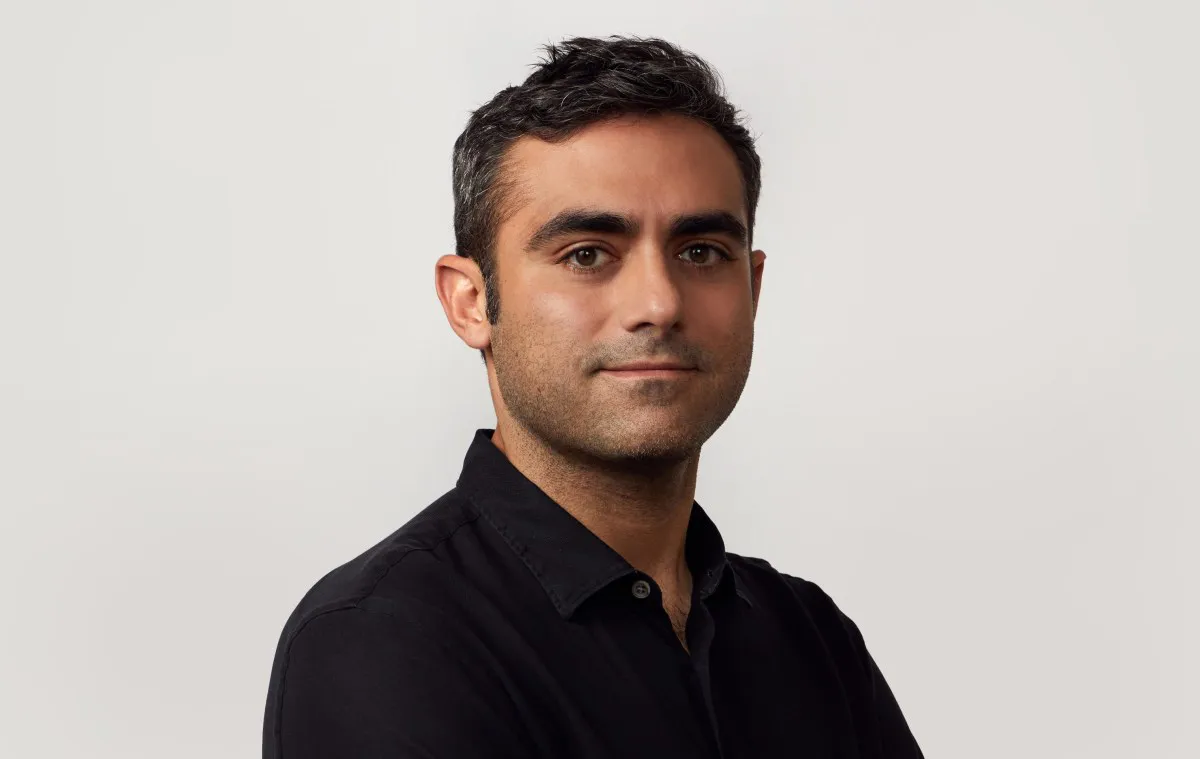
In the picturesque town of Mill Valley, California, innovation is quietly brewing in the field of dermatology. Michael Polansky, co-founder of Outer Biosciences, is at the helm of a groundbreaking venture that utilizes living human skin tissue to push the boundaries of dermatological research. This cutting-edge approach not only has the potential to transform our understanding of skin biology but also to significantly improve the efficacy of cosmetic and medical products.
Polansky's journey to this point is as fascinating as the technology he is developing. With a background in applied mathematics and computer science from Harvard and a career that began in the financial sector, he has carved out a unique niche at the intersection of technology and biology. His partnership with renowned artist Lady Gaga adds an intriguing layer to his persona, but it is his work at Outer Biosciences that is making headlines. The startup's mission is to keep living human skin alive outside the body for extended periods, enabling meaningful experiments that were previously impossible.
Transforming Dermatological Research
Outer Biosciences recognizes a significant gap in the pace of innovation in biology compared to software development. Traditional methods of studying skin conditions often involve animal models or simplified cell cultures, which fail to accurately replicate human biological responses. By sourcing human skin from surgical procedures, the company is able to conduct experiments on tissue that behaves more like it would within the human body.
The Ethical Framework
Polansky emphasizes the ethical considerations behind their operations. The company sources its tissue through vetted non-profit and commercial biobanks, ensuring compliance with rigorous institutional review board oversight and documented donor consent. This meticulous approach not only addresses ethical concerns but also ensures that the tissue used for research is of the highest quality.
- **Source of Tissue**: Human skin is obtained from surgeries, primarily plastic surgeries.
- **Ethical Compliance**: Tissue is sourced through biobanks with institutional review board oversight.
- **De-identification**: Samples arrive de-identified to protect donor privacy.
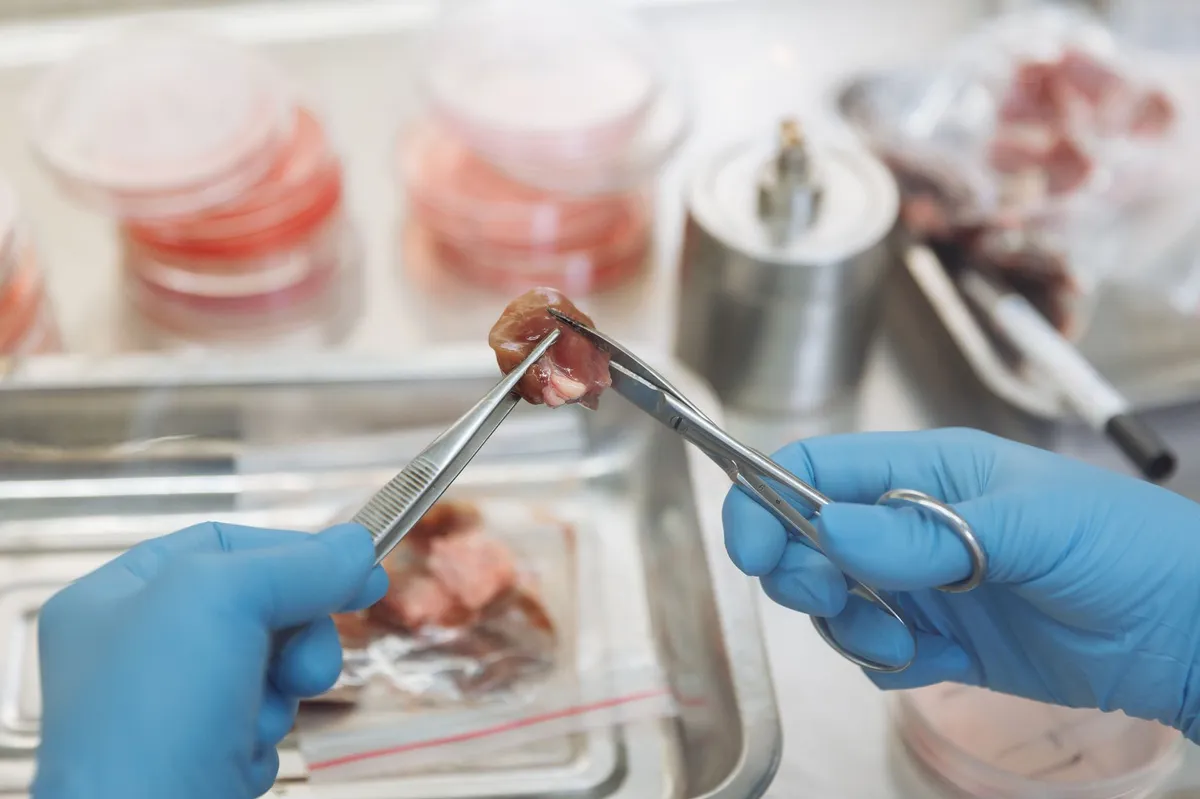
Innovative Technology Behind Outer Biosciences
What sets Outer Biosciences apart is their proprietary support system that nurtures living skin tissue. This system feeds the tissue nutrients and removes metabolic waste, allowing it to survive for up to a month. In comparison, standard industry practices typically only maintain tissue viability for a matter of days. This extended lifespan enables researchers to observe slower biological processes, such as collagen remodeling and pigmentation changes, which are critical for understanding skin health.
Understanding Biological Processes
The ability to observe living tissue over an extended period opens up new avenues of research. For instance, Polansky discusses how researchers can induce UV damage to the skin and monitor the subsequent biological responses over weeks. This dynamic observation allows for a deeper understanding of skin injury recovery processes, which is invaluable for both dermatological research and cosmetic product development.
Integrating AI for Enhanced Research Outcomes
One of the most exciting aspects of Outer Biosciences’ approach is their integration of artificial intelligence (AI) into the research process. The AI model is designed to predict which untested chemicals are likely to have beneficial effects on skin functions. This predictive capability allows the company to run targeted experiments on living tissue, significantly improving the efficiency of the research process.
The Evolution of Research Methodology
Initially, Outer Biosciences employed a 'brute force' approach, relying on mining scientific literature and collaborating with institutions like the National Cancer Institute. However, by incorporating AI, the company has accelerated its candidate generation process, now producing a new candidate every six weeks. This rapid pace is remarkable given the limited number of active ingredients in the dermatological space.
Implications for the Cosmetics and Medical Industries
The implications of Outer Biosciences' research extend far beyond academia. For the cosmetic industry, this innovative approach means that products can be developed and refined with a much greater understanding of how they interact with real human skin. This could lead to more effective and safer products, tailored to specific skin needs and conditions.
Potential Medical Applications
In the medical realm, the ability to study skin conditions in a more realistic setting could lead to better treatments for various dermatological issues, including skin cancer, eczema, and other chronic conditions. The insights gained from observing live skin over extended periods can inform treatment protocols and product formulations, ultimately improving patient outcomes.
Key Takeaways
- **Innovative Approach**: Outer Biosciences uses living human skin tissue for dermatological research.
- **Ethical Sourcing**: Tissue is obtained ethically with donor consent.
- **AI Integration**: The AI model enhances research efficiency, generating new candidate compounds rapidly.
- **Impact on Industries**: This technology could revolutionize both cosmetic and medical dermatology.
Frequently Asked Questions
What are the ethical concerns surrounding the use of human tissue in research?
The ethical concerns regarding the use of human tissue in research primarily revolve around donor consent and privacy. Outer Biosciences addresses these issues by sourcing tissue from established biobanks that follow strict ethical guidelines. All samples arrive de-identified, ensuring that donor identities are protected throughout the research process.
How does the AI model function in the research process?
Outer Biosciences' AI model predicts the potential effects of untested chemicals on skin functions. By analyzing data from previous experiments, the AI improves its predictive accuracy over time, allowing researchers to focus on the most promising compounds and streamline the testing process.
What are the potential applications of this research?
The research conducted by Outer Biosciences has far-reaching implications for both the cosmetic and medical industries. In cosmetics, it could lead to the development of more effective skincare products, while in medicine, it could inform treatments for various dermatological conditions, enhancing patient care and outcomes.
How does this technology compare to traditional research methods?
Traditional research methods often rely on animal models or simplified cell cultures that do not accurately replicate human skin biology. Outer Biosciences’ approach using living human tissue allows for a more realistic study of skin behavior, leading to insights that could significantly improve product development and treatment strategies in dermatology.
Comments
The Rise and Fall of Tesla's Solar Roof: What Went Wrong?
Tesla's ambitious solar roof project has been scrapped, leaving consumers and investors questioning the future of integrated solar technology. This article explores the reasons behind its demise and the implications for the solar market.

Related articles
Popular in SaaS Reviews
- Roost: The 'Slow-cial' App Redefining Digital Communication
- Uber's Expansion Beyond Ride-Hailing: The Future of Travel and Services
- Sweden's Startup Surge: The Forces Behind a Booming Ecosystem
- X's Algorithm Update: Creating a More Community-Focused Experience
- Elon Musk's Vision for X: Real-Time Misinformation Corrections via DMs