Google Enhances Study Tools with AI in Search and Gemini
Google has rolled out new study tools in its Search and Gemini applications, offering interactive visuals, quizzes, and more. This move aims to position Gemini as a leading AI assistant for students, competing against other education tech players.

In a significant leap towards integrating artificial intelligence into educational tools, Google has unveiled an array of new features designed to enhance student learning through its Search and Gemini platforms. The launch, announced on August 19, 2026, comes at a time when the demand for innovative educational technology is on the rise, as students increasingly seek personalized and interactive methods to grasp complex subjects. With these advancements, Google aims to position Gemini as the go-to AI assistant for learners, standing shoulder to shoulder with competitors such as OpenAI and emerging educational startups.
The latest updates are not just about adding features; they signify a broader commitment by Google to reshape how students engage with information and study materials. By integrating AI-generated visuals, 3D simulations, and customized quizzes, Google is tapping into the potential of AI to make learning more engaging and effective.
New Features in Google Search
Google Search, which has long been a staple for students seeking information, is now equipped with enhanced capabilities that allow users to generate custom tools and interactive simulations. For instance, when researching the pH scale, a student can simply type “pH scale” into Search and receive an AI-generated interactive visual that simplifies the concept. This feature is designed to make learning more intuitive and accessible, breaking down complex topics into digestible formats.
Interactive Learning Experiences
Furthermore, students can ask follow-up questions for more tailored content. If, for example, they want to explore how different citrus fruits fit into the pH scale, the AI Mode in Search can whip up a customized interactive experience that reflects their specific query. This level of interactivity not only fosters deeper understanding but also encourages students to engage more actively with their learning process.
Customized Practice Quizzes
Another noteworthy addition is the capability to create tailored quizzes directly from Google Search. Students can input prompts like “Generate a quiz on the most frequently tested SAT vocabulary words,” and the AI will respond by crafting an interactive quiz. This feature can be a game-changer for students preparing for standardized tests, allowing them to focus on areas where they need improvement.
Innovations in Google Gemini
Moving beyond Search, Google's Gemini platform has also received a significant upgrade, introducing features that facilitate multi-step research and collaborative discussions. Students can initiate a research report in Gemini Live and carry on with other tasks while the AI works in the background. Once the report is ready, they receive a notification, enabling them to discuss the findings or ask follow-up questions either through text or voice commands.
Functional 3D Simulations
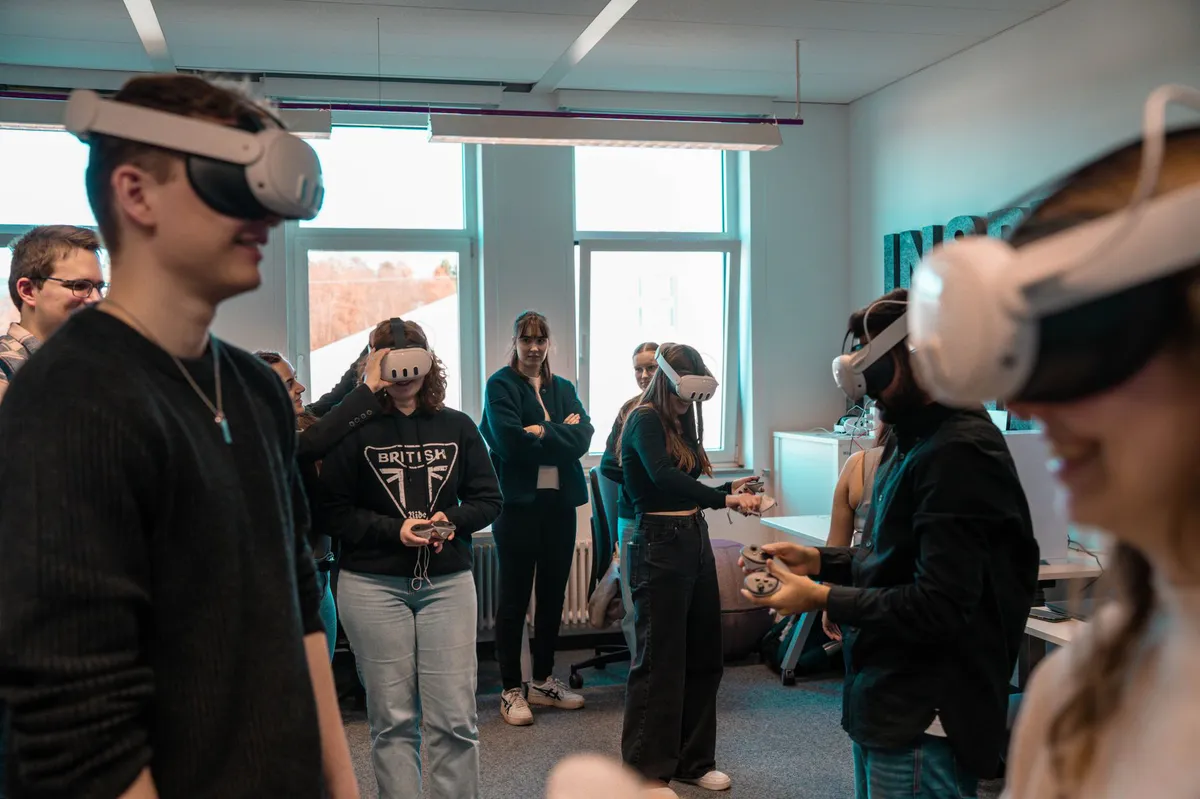
One of the standout features in Gemini is its ability to generate functional 3D simulations. For example, if a student types “show me how DNA works in 3D,” Gemini can produce a visually interactive model that allows users to rotate and zoom into a detailed DNA structure. This hands-on approach not only aids visual learners but also provides an immersive experience that textbooks simply cannot offer.
Centralized Learning Hub
Google is also launching a dedicated hub within the Gemini app that consolidates these learning tools. This centralized location allows users to begin study notebooks, create flashcards, and take practice quizzes all in one place, enhancing the overall study experience.
Market Implications and Competitive Landscape
The introduction of these AI-driven study tools comes at a time when the educational technology landscape is rapidly evolving. With competition heating up from companies like OpenAI and startups such as Knowt and Gauth, Google is making a strategic move to capture the attention of students and educators alike. The ability to create personalized learning experiences is becoming increasingly crucial, as traditional methods often fall short in addressing the diverse needs of today's learners.
Students are not just passive recipients of information; they are active participants in their education, and tools like Google's new features empower them to take charge of their learning journeys. The emphasis on interactivity, customization, and real-time feedback could well set a new standard for educational tools, compelling other players in the market to innovate further.
What This Means for Students and Educators
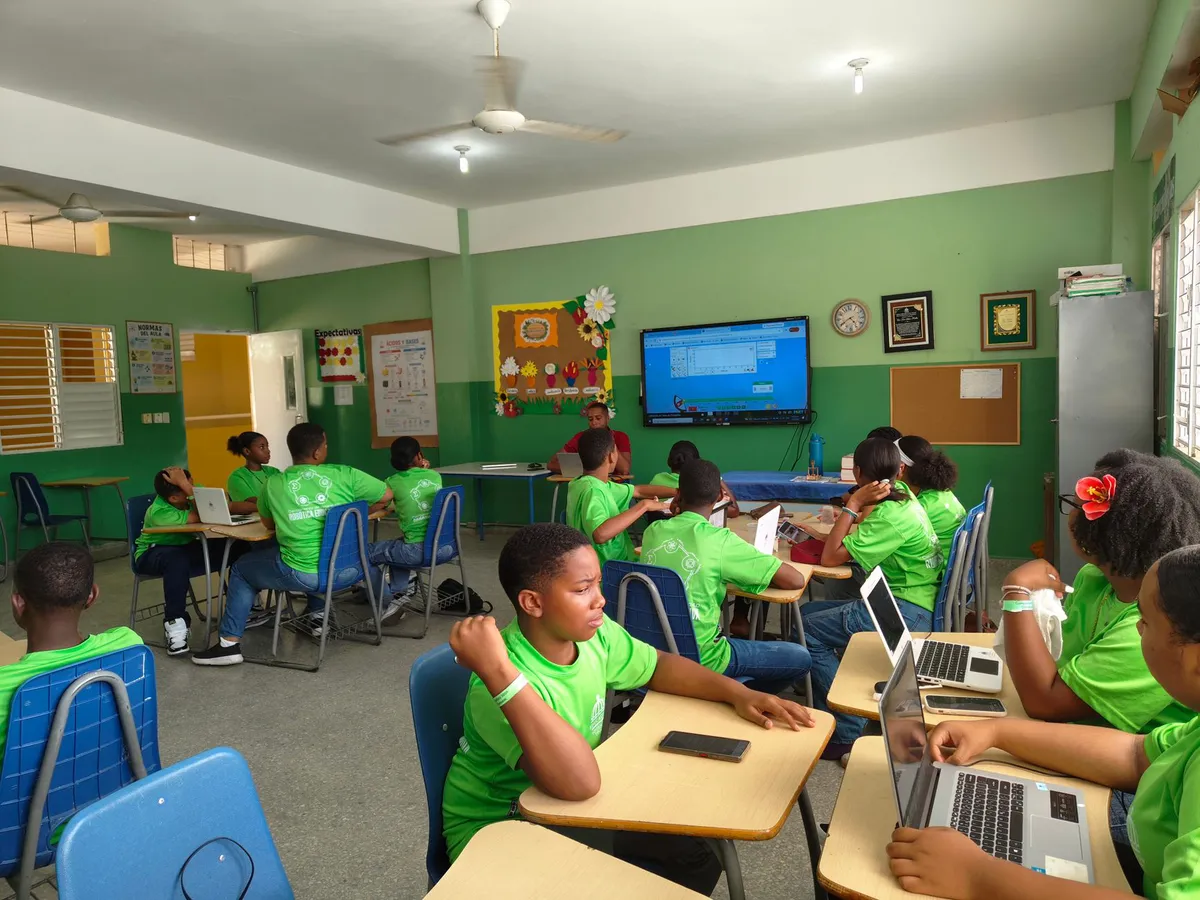
The integration of AI in educational tools represents a transformative shift for both students and educators. For students, these features provide a means to learn at their own pace, offering the ability to revisit complex topics and engage in active problem-solving. Educators, on the other hand, can leverage these tools to enhance their curriculum, incorporating interactive elements that cater to various learning styles.
Additionally, the potential for collaboration through Gemini's chat features may foster a more communal learning environment, where students can discuss research findings and tackle problems together, even when they are not physically in the same space.
Key Takeaways
- AI-Powered Interactivity: Google’s new tools in Search and Gemini allow students to engage with learning materials through interactive visuals and simulations.
- Customized Learning: Students can generate tailored quizzes and study documents based on their specific needs and uploaded materials.
- Centralized Study Hub: The new Gemini hub consolidates various learning resources, providing a one-stop solution for students.
- Competitive Edge: Google aims to position Gemini as a leading AI assistant in education, competing with other tech giants and startups.
- Enhanced Collaboration: Features in Gemini facilitate collaborative research and discussion among students.

Frequently Asked Questions
What are the new features introduced in Google Search for students?
The recent enhancements in Google Search include the ability to generate interactive visuals and simulations tailored to specific queries. Students can also create customized practice quizzes on various subjects, helping them to prepare for exams and reinforce their learning.
How does Gemini facilitate collaborative learning?
Gemini allows students to initiate research reports that can be discussed in real-time. The AI works in the background, and once the report is generated, students can engage in conversation about the findings, promoting a collaborative learning environment.
Are these tools suitable for all learning styles?
Yes, the new tools cater to various learning styles by offering interactive visuals for visual learners, customized quizzes for those who prefer hands-on practice, and collaborative features for social learners. This adaptability makes them valuable resources for a diverse student population.
How does Google’s initiative compare to other educational tech companies?
Google's initiative positions it strongly against competitors like OpenAI and educational startups. By focusing on interactivity and customization, Google aims to redefine how students engage with educational content, potentially setting new standards in the edtech space.
Comments
Gwyneth Paltrow to Host Private Dinner Honoring Tech Leader Sam Altman
Gwyneth Paltrow is set to honor Sam Altman with a private dinner in the Hamptons, highlighting her growing engagement in the tech world, particularly in artificial intelligence.

Related articles



Popular in SaaS Reviews
- Roost: The 'Slow-cial' App Redefining Digital Communication
- Uber's Expansion Beyond Ride-Hailing: The Future of Travel and Services
- Sweden's Startup Surge: The Forces Behind a Booming Ecosystem
- X's Algorithm Update: Creating a More Community-Focused Experience
- Elon Musk's Vision for X: Real-Time Misinformation Corrections via DMs