Revolutionizing Drug Discovery: How AI and Tissue Engineering Could Transform Cancer Treatment
Vivodyne, a biotech startup, is rethinking cancer treatment through advanced AI and innovative human tissue models. Their approach aims to overcome traditional drug discovery challenges and lead to more effective therapies.
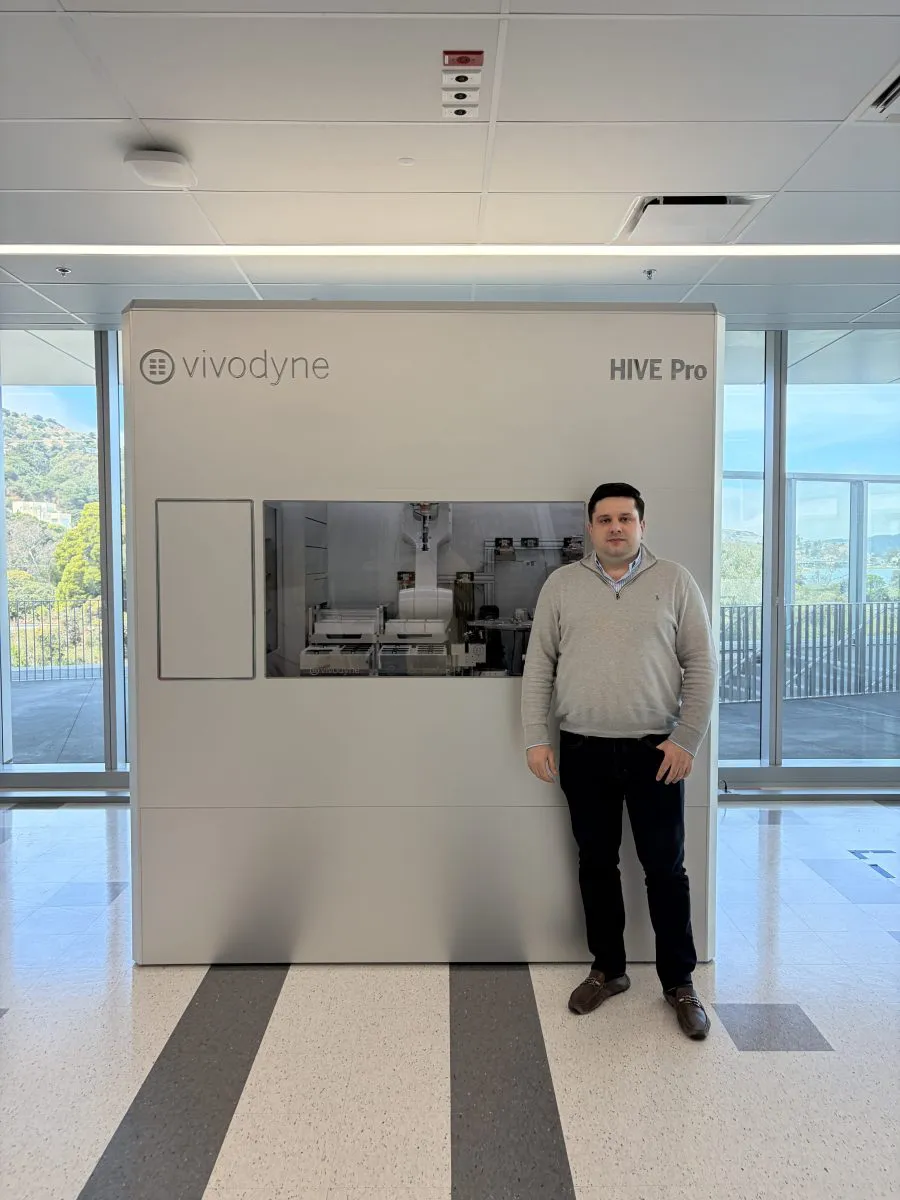
In recent years, the promise of artificial intelligence (AI) in curing cancer has captured the imagination of the public, investors, and scientists alike. However, the complexity of human biology and the limitations of current AI technologies have led experts to approach such claims with skepticism. Amidst this backdrop, a biotech startup named Vivodyne has emerged with a groundbreaking vision: to leverage AI and advanced tissue engineering to significantly enhance drug discovery processes, tackling one of the most formidable challenges in modern medicine.
Founded in 2021 as a spin-off from the University of Pennsylvania, Vivodyne is spearheaded by CEO Andrei Georgescu, who earned his PhD in bioengineering. The company aims to bridge the gap between AI's theoretical capabilities and the practical realities of drug development, specifically in oncology, by creating a platform that generates high-quality biological data directly from human-like tissues.
Understanding the Limitations of Current AI in Drug Discovery
AI's potential to revolutionize drug discovery has been widely touted, yet the results have often fallen short of expectations. Despite significant advancements, including tools like AlphaFold, which predicts protein structures, the transition from theoretical models to effective treatments remains fraught with challenges. A staggering **90% of drugs** that show promise in animal testing fail to gain FDA approval in human trials.
One major limitation of current AI models is their reliance on data derived from animal testing, isolated cells, or proteins, rather than complex living tissues. As Georgescu points out, without real human tissue to inform these models, the chances of discovering viable cancer therapies diminish significantly. "Absent human testing, what are these models going to do? They’re going to cure cancer in mice," he states, emphasizing the need for a more representative data source.
Introducing HIVE: A New Paradigm in Drug Testing
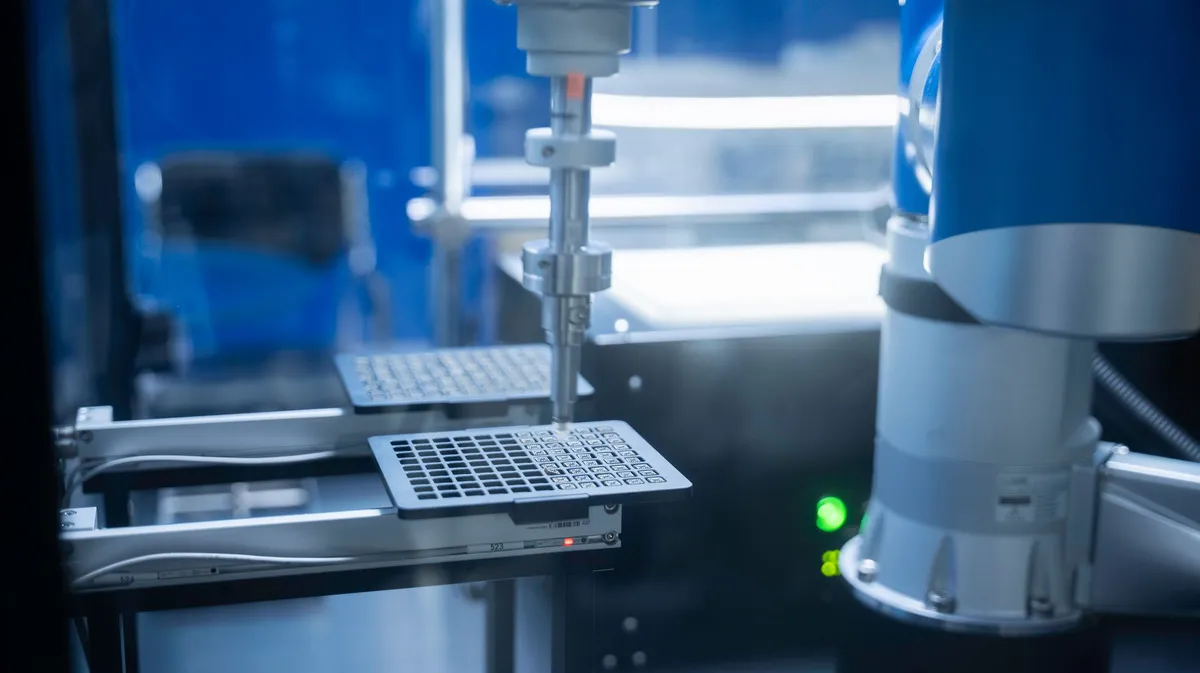
Vivodyne's innovative solution comes in the form of HIVE, a modular robotic laboratory designed to grow and monitor **20 kinds of human tissue**. This technology allows for the autonomous dosing and observation of these tissues, generating causal biological data that AI models currently lack.
According to Georgescu, the predictive capabilities of Vivodyne's tissues are impressive, achieving **94% accuracy** in toxicity testing for liver cells and **96% accuracy** for airway tissues compared to human trials. Such high fidelity not only enhances the reliability of drug testing but also accelerates the drug development process, potentially saving millions of dollars associated with failed trials.
Why Causal Data Matters
The crux of Vivodyne's approach lies in its ability to produce causal data that elucidates the relationships between different biological states. Traditional AI models often treat biological data as static snapshots, failing to account for the dynamic processes that lead to disease. By tracking ongoing experiments with diseased tissues exposed to various stimuli, HIVE aims to provide the reinforcement learning necessary for AI models to better understand human biology.
As Georgescu explains, this understanding is crucial for developing combination therapies that target multiple pathways in complex diseases like cancer. He stresses that establishing causality in human biology is foundational to creating effective treatments: "If we want combination therapies, the space that has to be searched explodes—it can’t be an experimental approach. You have to say, ‘I want this effect to happen, so what cause should I invoke?’"
The Financial Implications of Enhanced Drug Discovery
The financial stakes in drug development are astronomical. Clinical trials can cost **tens of millions of dollars**, and the failure rate is dangerously high. Vivodyne's strategy could transform this landscape by providing pharmaceutical companies with reliable data before they enter the clinical trial phase. Their partnerships with major pharmaceutical firms remain confidential, but the implications of their work could lead to a paradigm shift in how drugs are developed and tested.
- Reduced Trial Costs: By enhancing predictive accuracy, companies could avoid many failed trials.
- Faster Time to Market: With better data, drugs could be expedited through the regulatory process.
- Improved Success Rates: Increased confidence in drug efficacy before human trials could lead to higher approval rates.
Changing the Face of Oncology
The implications of Vivodyne's technology extend far beyond mere efficiency in drug testing. They represent a potential reimagining of how we approach cancer treatment. The traditional model, which often relies on trial and error, could give way to a more nuanced understanding of disease mechanisms, leading to truly personalized medicine.
Georgescu's vision sees HIVE not just as a tool for drug discovery but as a cornerstone for future research that could one day lead to treatments for all diseases, not just cancer. By generating rich datasets that accurately reflect human biology, Vivodyne aims to empower researchers and clinicians alike to tackle the intricacies of health and disease.
Key Takeaways
- Vivodyne's HIVE technology creates human-like tissues to improve drug testing accuracy.
- Current AI models struggle due to reliance on data from animal testing and single-cell studies.
- High costs and failure rates in drug trials highlight the need for more reliable predictive modeling.
- Vivodyne's approach could expedite drug development and lead to more effective cancer therapies.
Frequently Asked Questions
What distinguishes Vivodyne's approach from other biotech companies?
Vivodyne's unique selling point lies in its creation of HIVE, a system that utilizes human-like tissues for drug testing. Unlike other biotech firms that primarily rely on AI and animal models, Vivodyne's technology aims to provide real-time data that reflects the complex interactions within human biology, thus improving the predictive accuracy of drug efficacy and safety.
How does Vivodyne ensure the accuracy of its tissue models?
The company claims that its engineered tissues closely mimic the behavior of real human organs. For example, its liver cells exhibit **94% predictive accuracy** regarding toxicity compared to human tests. This high level of concordance allows researchers to gain confidence in their findings before moving to costly clinical trials.
What are the potential challenges Vivodyne might face in the future?
While Vivodyne's approach is promising, it faces challenges such as regulatory hurdles and the need for broad acceptance within the pharmaceutical industry. Gaining trust from stakeholders who are accustomed to traditional testing methods may require extensive validation and demonstration of efficacy. Moreover, the landscape of drug discovery is rapidly evolving, and keeping pace will be essential for sustained success.
How might this technology impact patients in the long term?
In the long term, Vivodyne's advancements could lead to the development of more effective and personalized cancer therapies, ultimately improving patient outcomes. By enabling earlier identification of viable drug candidates and facilitating combinations of treatments, patients may experience fewer adverse effects and more successful treatment regimens tailored to their unique biological contexts.
Comments
Google Enhances Study Tools with AI in Search and Gemini
Google has rolled out new study tools in its Search and Gemini applications, offering interactive visuals, quizzes, and more. This move aims to position Gemini as a leading AI assistant for students, competing against other education tech players.

Related articles


Popular in SaaS Reviews
- Roost: The 'Slow-cial' App Redefining Digital Communication
- Uber's Expansion Beyond Ride-Hailing: The Future of Travel and Services
- Sweden's Startup Surge: The Forces Behind a Booming Ecosystem
- X's Algorithm Update: Creating a More Community-Focused Experience
- Elon Musk's Vision for X: Real-Time Misinformation Corrections via DMs