Wispr Secures $280 Million in Funding, Expands Beyond Dictation Tools
Wispr, the AI dictation startup, has raised $280 million in Series B funding at a $2 billion valuation, expanding its offerings with new tools and addressing quality concerns.

In a bold move to solidify its position in the competitive landscape of AI-powered productivity tools, Wispr has successfully raised $280 million in a Series B funding round, achieving an impressive valuation of $2 billion. This funding is a significant step for the startup, which is best known for its dictation technology, as it pivots to expand its suite of offerings to include innovative tools aimed at enhancing the way professionals manage meetings and communications.
The funding round, which was announced on August 17, 2026, was spearheaded by Menlo Ventures and included contributions from a host of existing investors, such as Notable Capital, NEA, Neo Ventures, 8VC, and MVP Ventures. New investors like Acrew, Forerunner, Goodwater, Peak XV, Together Fund, and PLUS Capital also joined the ranks, reflecting a growing confidence in Wispr's potential to evolve within the increasingly crowded digital workspace sector.

The Competitive Landscape of AI Dictation Tools
As Wispr gears up for its next phase of growth, it faces stiff competition from a variety of players in the dictation and note-taking space. Competitors such as Willow, Monolouge, Aqua, and Superwhisper have emerged, offering users alternative solutions for transcription and note-taking. The rise of these applications, particularly those targeting the prosumer market with free or low-cost options, poses a significant challenge to established players like Wispr.
In response to this competitive pressure, Wispr has announced plans to enhance its existing products. Notably, users have recently reported a decline in the quality of outputs from Wispr Flow, highlighting the need for continuous innovation. To address this, the company is introducing a new model named Canto, which aims to significantly reduce error rates in dictation from 30% to less than 10%. This improvement is crucial for retaining user satisfaction and attracting new customers.
Expanding Beyond Dictation: New Offerings and Features
Wispr's expansion plans are not limited to improving dictation quality. The company is venturing into the meeting space with its newly launched note-taker tool. This versatile tool is designed to streamline the process of capturing meeting notes, summarizing discussions, and highlighting action items. As remote work and virtual meetings become more commonplace, tools that enhance communication and productivity are increasingly in demand.
The note-taker tool is strategically positioned to compete with other players in the market, including Granola, Fireflies, and Read AI. Wispr's offering stands out due to its ability to integrate seamlessly with other applications, allowing users to create documents, draft emails, and update tasks directly from their meeting notes. This level of integration is essential in a landscape where professionals are juggling multiple software solutions to manage their workloads effectively.

Strategic Partnerships and Market Penetration
To further its reach, Wispr has been actively partnering with hardware manufacturers. A notable collaboration involves the Oasis ring, which allows users to dictate content without the need for loud speech. Such partnerships not only enhance Wispr's product offering but also expand its market presence. With the dictation app now available on Android and plans to scale its go-to-market teams in regions like India and the U.K., Wispr is strategically positioning itself for global growth.
Investing in Innovation
In addition to its product expansions, Wispr is also investing in research and development through Wispr Interface Labs. Under the leadership of Ariya Rastrow, a former Amazon Alexa developer, the lab is tasked with exploring new human-computer interaction interfaces. This focus on innovation is critical in a rapidly evolving tech landscape where user experience can make or break a product's success.
Financial Context and Future Outlook
With this latest funding round, Wispr has raised a total of $361 million. The influx of capital provides the company with the resources needed to enhance its product offerings and invest in marketing efforts. As competition intensifies, having a robust financial backing is essential for Wispr to maintain its market position and continue innovating.
Despite the challenges posed by newcomers in the dictation space, Wispr's ability to innovate and adapt will be key to its future success. By diversifying its product line and improving existing offerings, the company aims to not only retain its current user base but also attract new customers seeking efficient solutions for their professional needs.

Key Takeaways
- Wispr raised $280 million in Series B funding, achieving a $2 billion valuation.
- The startup is expanding its focus beyond dictation tools to include meeting notetakers and other productivity solutions.
- Wispr is introducing a new model, Canto, to improve dictation quality and reduce error rates significantly.
- Strategic partnerships with hardware manufacturers, such as Oasis, are enhancing Wispr's product offerings and market reach.
- Investments in R&D through Wispr Interface Labs aim to innovate human-computer interaction.
Frequently Asked Questions
What is Wispr's primary product?
Wispr is primarily known for its AI dictation tools, which convert spoken language into written text. The company has recently expanded its offerings to include a note-taker tool designed to assist with summarizing and documenting meeting discussions.
How does Wispr's new funding impact its operations?
The recent $280 million funding round provides Wispr with significant financial resources to enhance its product development, expand its market presence, and invest in innovative technologies. This funding is crucial for the company to remain competitive in a rapidly evolving tech landscape.
What challenges does Wispr face in the current market?
Wispr faces competition from various startups and established companies offering similar dictation and note-taking tools. The rise of free or low-cost alternatives also poses a challenge, as users may gravitate towards these options. To remain competitive, Wispr must continue to innovate and improve the quality of its products.
What are the future plans for Wispr?
Wispr's future plans include expanding its product offerings beyond dictation tools, enhancing the quality of its services, and exploring new interfaces for human-computer interaction through its Wispr Interface Labs. Additionally, the company aims to increase its market presence in regions like India and the U.K. to capture a larger share of the global market.
Comments
Uber Joins Forces with Zipline for Revolutionary Drone Deliveries
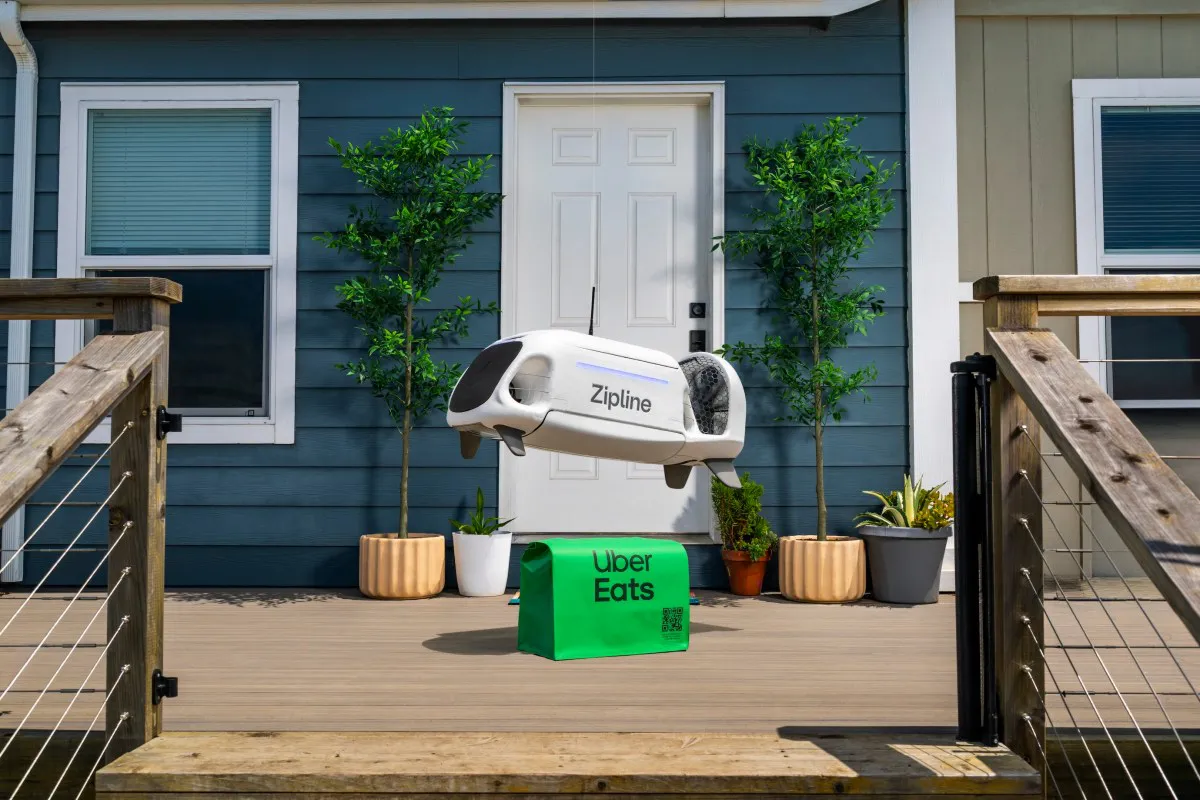
Uber has partnered with Zipline to integrate drone technology into its Uber Eats delivery service, aiming for one million daily deliveries by 2029. This move represents a significant shift in food delivery logistics and positions Uber as a pioneer in rapid delivery systems.
Related articles
Popular in SaaS Reviews
- Roost: The 'Slow-cial' App Redefining Digital Communication
- Uber's Expansion Beyond Ride-Hailing: The Future of Travel and Services
- Sweden's Startup Surge: The Forces Behind a Booming Ecosystem
- X's Algorithm Update: Creating a More Community-Focused Experience
- Elon Musk's Vision for X: Real-Time Misinformation Corrections via DMs