Uber Joins Forces with Zipline for Revolutionary Drone Deliveries
Uber has partnered with Zipline to integrate drone technology into its Uber Eats delivery service, aiming for one million daily deliveries by 2029. This move represents a significant shift in food delivery logistics and positions Uber as a pioneer in rapid delivery systems.
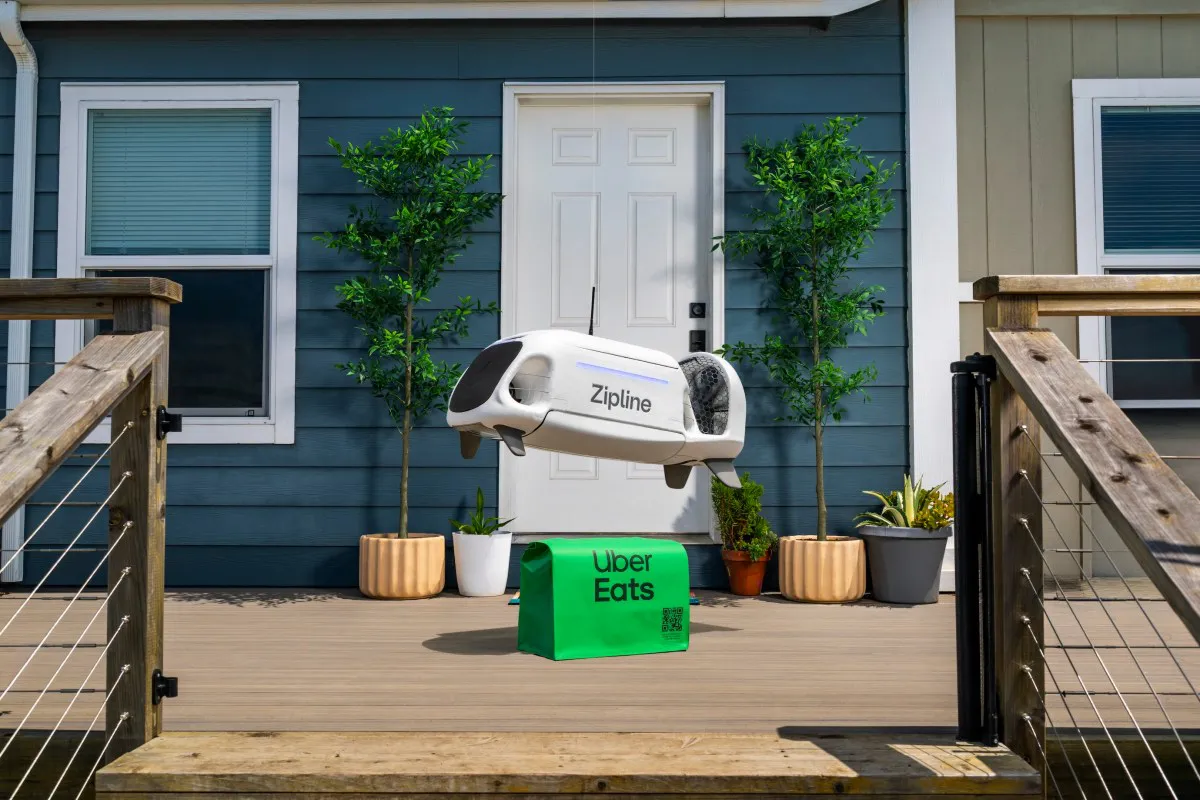
In a groundbreaking move that signals a new era for delivery logistics, Uber has announced its partnership with drone delivery company Zipline. This collaboration aims to integrate Zipline's drone technology into Uber Eats, with an ambitious goal of achieving one million deliveries per day by the end of 2029. As Uber continues to innovate in the food delivery sector, this partnership could redefine how consumers receive their meals, impacting urban logistics and consumer expectations.
Uber's decision to incorporate drone deliveries into its existing framework is not just a leap towards faster service; it is a strategic maneuver to enhance its competitive edge in an increasingly crowded market. With the rise of demand for quick commerce, Uber is positioning itself to capitalize on this trend, drawing on Zipline's extensive experience in drone logistics, which has primarily served the healthcare sector.
The Ambitious Goals of the Uber-Zipline Partnership
The partnership aims to kick off drone deliveries on the Uber Eats platform by the end of this year, starting in Zipline's established markets. Both companies are eyeing expansion into “dozens of U.S. cities” in the near future. This initiative comes at a time when consumer expectations for convenience and speed are at an all-time high.
Zipline's Proven Track Record
Zipline, based in San Francisco, has gained prominence for its innovative use of drones to deliver medical supplies in remote areas, successfully executing thousands of deliveries in countries like Rwanda and Ghana. The company raised an impressive $800 million in a recent Series H funding round, bringing its valuation to $7.6 billion. This financial backing not only validates Zipline's business model but also provides the necessary capital to scale its operations in the U.S. market.
Uber's Strategic Shift in Delivery Services
Uber Eats has been exploring various avenues to bolster its delivery capabilities, especially as competition heats up with the advent of other delivery platforms and quick-service options. The integration of drone technology is a continuation of Uber’s broader strategy to diversify its service offerings. Previously, Uber had ventured into aerial ride-sharing with its Elevate division, which it later sold off, but the current pivot towards delivery drones reflects its ongoing commitment to innovation.
The Quick Commerce Market
Uber CEO Dara Khosrowshahi has emphasized the importance of quick commerce in the company's growth strategy, stating, “Truly quick commerce is proving to be an even bigger market than the original food market was.” By leveraging drone technology, Uber aims to fulfill customer orders within five to ten minutes, a significant improvement over traditional delivery methods.
Challenges and Considerations for Drone Delivery
While the prospect of drone delivery is exciting, it is not without its challenges. Regulatory hurdles remain a significant barrier to widespread adoption. The Federal Aviation Administration (FAA) has been cautious in granting permissions for drone operations, especially in urban areas. Uber and Zipline will need to navigate these regulations carefully to ensure compliance while scaling their operations.
Consumer Acceptance and Infrastructure
Consumer acceptance will also play a crucial role in the success of this initiative. Many consumers are still wary of drone technology, particularly concerning privacy and safety. Moreover, the infrastructure for drone delivery, including designated landing zones and charging stations, will need to be developed to facilitate this new mode of transportation.
Market Implications and Future Prospects
The Uber-Zipline collaboration not only symbolizes a leap in delivery technology but also sets a precedent for how businesses can leverage innovative solutions to meet consumer demands. As Uber continues to explore the integration of various delivery methods, including robots and now drones, it is likely to influence the logistics and transportation sectors significantly.
- Rapid Delivery Potential: Achieving deliveries within five to ten minutes.
- Market Expansion: Aiming for operations in numerous U.S. cities.
- Investment and Growth: Zipline's valuation at $7.6 billion following substantial funding rounds.
- Regulatory Challenges: Navigating FAA regulations for urban drone operations.
Key Takeaways
- Uber's partnership with Zipline aims for one million drone deliveries per day by 2029.
- Zipline's experience in healthcare logistics positions it well for rapid delivery operations.
- Regulatory and consumer acceptance challenges must be addressed for successful implementation.
- The initiative reflects a larger trend towards quick commerce in the delivery industry.
Frequently Asked Questions
What are the main benefits of using drones for delivery?
Drones offer the potential for significantly faster delivery times, with the ability to bypass road traffic and reach consumers directly. This efficiency can enhance customer satisfaction and attract new users to the platform. Furthermore, drones can reduce operational costs associated with traditional delivery methods, such as vehicle maintenance and fuel expenses, leading to potential savings for both companies and consumers.
How will the partnership impact Uber Eats' existing delivery services?
The introduction of drones is likely to complement existing delivery methods rather than replace them. By integrating drone technology, Uber Eats can provide a multi-faceted approach to delivery, catering to different customer needs. For instance, while standard deliveries may still take longer, urgent orders could be fulfilled via drones, allowing Uber to differentiate its service offerings in a competitive market.
What are the regulatory hurdles for drone deliveries in the U.S.?
The FAA has established strict regulations governing drone operations, particularly in populated areas. These include requirements for pilot certification, operational limits such as altitude and distance, and the need for a clear understanding of air traffic control protocols. As Uber and Zipline work to implement their delivery system, they will need to engage with regulatory bodies to ensure compliance and facilitate smoother operations.
Comments
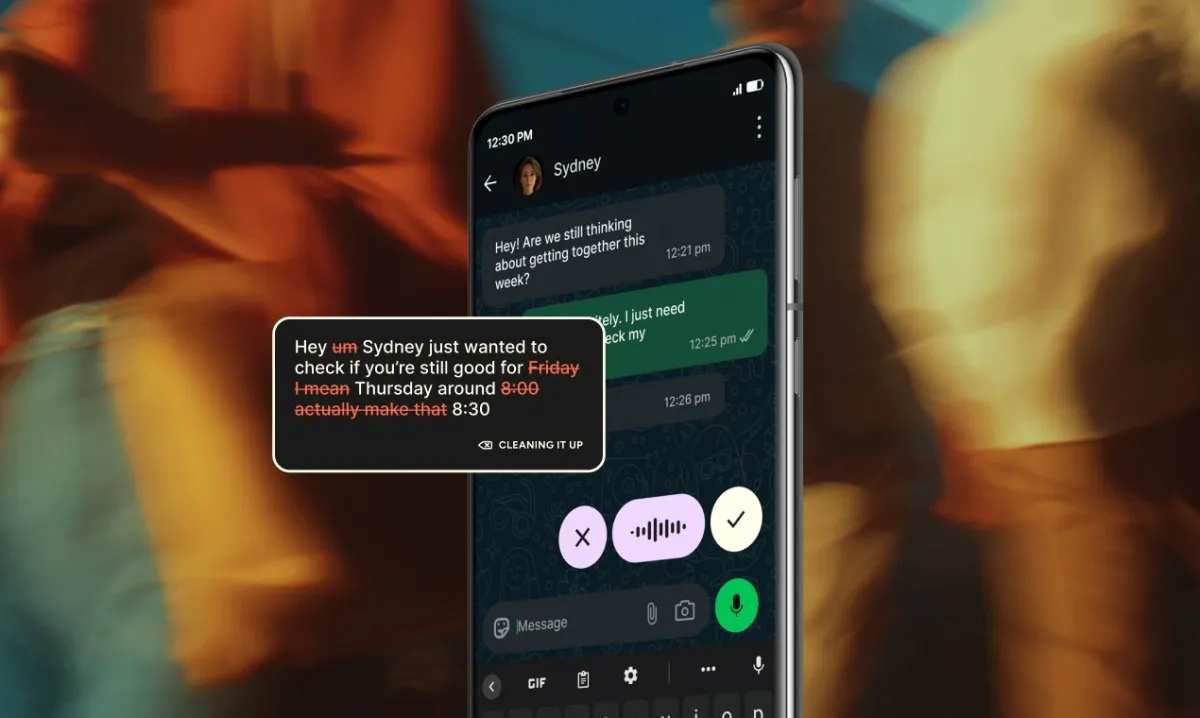
Wispr Secures $280 Million in Funding, Expands Beyond Dictation Tools
Wispr, the AI dictation startup, has raised $280 million in Series B funding at a $2 billion valuation, expanding its offerings with new tools and addressing quality concerns.
Related articles
Popular in SaaS Reviews
- Roost: The 'Slow-cial' App Redefining Digital Communication
- Uber's Expansion Beyond Ride-Hailing: The Future of Travel and Services
- Sweden's Startup Surge: The Forces Behind a Booming Ecosystem
- X's Algorithm Update: Creating a More Community-Focused Experience
- Elon Musk's Vision for X: Real-Time Misinformation Corrections via DMs