Unraveling Our Ancestry: The Mystery of Africa's Ghost Lineage
Recent research reveals that modern human DNA carries traces from a mysterious lineage that contributed to our genetic makeup before we left Africa. This ghost lineage, distinct from Neanderthals and Denisovans, raises intriguing questions about human evolution and ancestry.
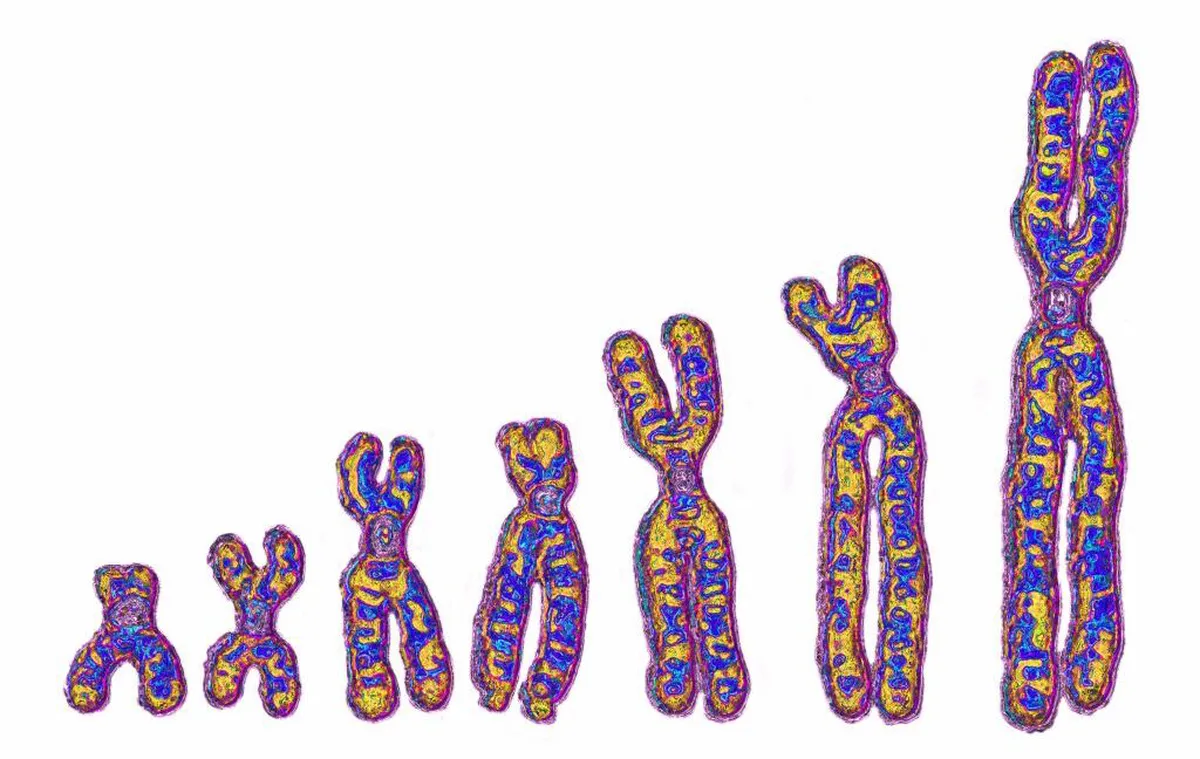
The intricate tapestry of human ancestry has long fascinated scientists and laypeople alike. While much attention has been paid to our interbreeding with Neanderthals and Denisovans, a new study has uncovered the presence of a ghost lineage in our DNA — a mysterious group with no modern descendants that significantly contributed to our genetic makeup. This revelation not only complicates the narrative of human evolution but also offers insights into the genetic diversity that shaped modern humans.
For years, researchers have analyzed the genomes of modern humans, looking for evidence of ancient interbreeding events. The presence of Neanderthal and Denisovan DNA in contemporary humans is well documented, with many populations carrying approximately 2% of Neanderthal DNA. However, the complexities of genetic inheritance and the limitations of existing data made it challenging to discern whether other ancestral lineages had also contributed. Recent advancements in genomic analysis have finally allowed scientists to explore these hidden ancestries, revealing the existence of a ghost lineage that interbred with our ancestors long before the great migration out of Africa.
The Search for Ancestral Lineages
Understanding the genetic legacy of our ancestors requires sophisticated techniques in genomic analysis. Researchers at the University of California, Berkeley, have utilized advanced computational methods to analyze vast genomic datasets and trace the history of genetic sequences. The core of their research involves constructing ancestral recombination graphs, which depict the history of genetic material across generations. By studying how DNA segments recombine over time, scientists can infer the presence of ancient lineages that contributed to modern human genomes.
Introgression and Its Implications
When different species or populations interbreed, the process is known as introgression. This can result in the transfer of genetic material from one lineage to another, which can have lasting effects on the genetic diversity of the receiving population. The Berkeley team's research aimed to identify sequences in modern human DNA that exhibit signs of having originated from a distinct and previously unidentified lineage.
- Introgression occurs when two separate lineages interbreed, transferring DNA between them.
- Identifying ghost lineages can provide insights into human migration and adaptation.
- Understanding introgressed sequences may illuminate aspects of metabolism and immune function.

Revealing the Ghost Lineage
The Berkeley researchers developed a software tool named TRACE to analyze the ancestral recombination graphs and identify segments of DNA that originated from this ghost lineage. The tool was rigorously tested against known Neanderthal and Denisovan sequences to ensure its accuracy. Remarkably, TRACE was able to identify not only the expected segments from these archaic groups but also revealed a significant amount of DNA from the ghost lineage, accounting for about 0.5% to 1.1% of current human genomes.
This ghost lineage appears to have contributed nearly 1.5 billion bases of DNA to modern humans, indicating that interbreeding occurred prior to the migration of Homo sapiens out of Africa. Interestingly, the segments contributed by this lineage are shorter on average than those from Neanderthals and Denisovans, suggesting they have been part of the human genome for a longer time. This finding highlights the complex history of human evolution and the interconnections between different hominin species.
Insights into Genetic Diversity
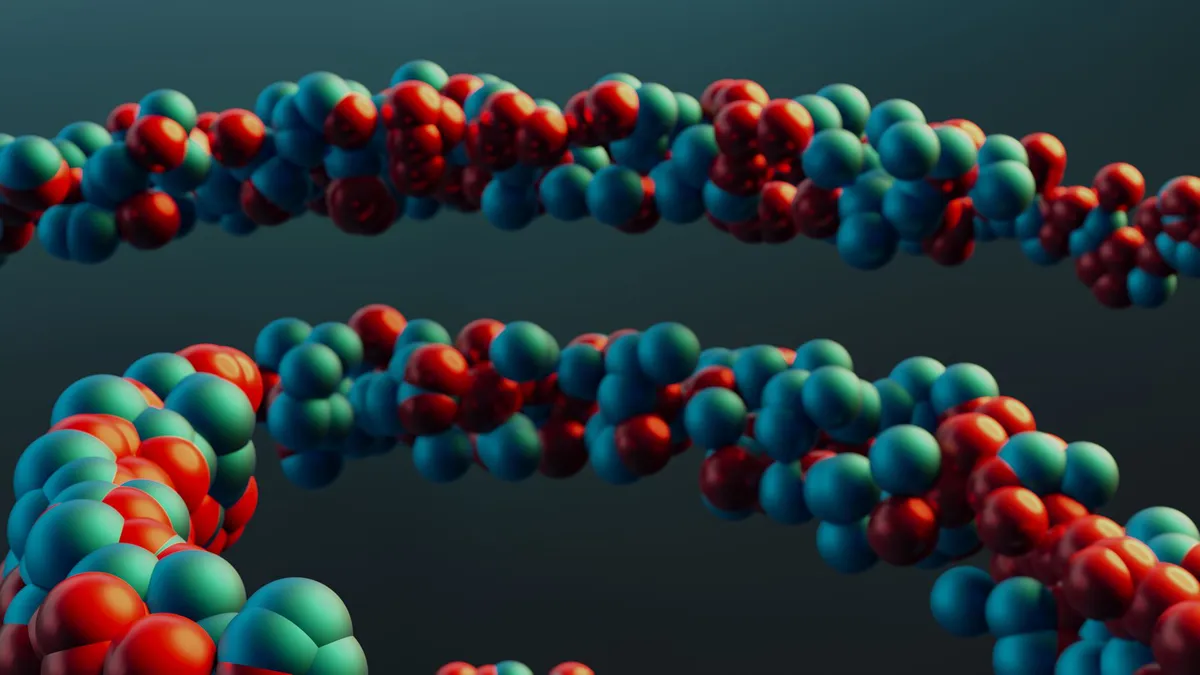
The presence of the ghost lineage in modern human DNA raises important questions about the origins and implications of genetic diversity among populations. The study found that African populations carry a higher diversity of genetic segments compared to non-African populations, a phenomenon attributed to the bottleneck effect experienced by those who migrated out of Africa. As a result, certain regions of the genome in non-African populations lack any traces of the ghost lineage, underscoring the diverse genetic heritage present within Africa.
Implications for Modern Health
While the ghost lineage itself remains a mystery, its presence in our genomes could have implications for understanding modern human health. Some segments of the ghost lineage are located near genes involved in metabolism and immune function, although their specific impact on modern humans is still unclear. The researchers did not delve into the adaptive significance of these archaic sequences, but the potential for ancient genetic variants to influence health and disease warrants further investigation.
Looking Ahead: The Path of Future Research
As genomic analysis techniques continue to evolve, the possibility of uncovering more about our ghost lineage and other ancient ancestors increases. Future research may involve the discovery of ancient DNA samples or archaeological findings that could shed light on the characteristics and lifestyle of this mysterious lineage. Understanding the interactions between these ancient populations could provide valuable insights into human adaptability and resilience through time.
Key Takeaways
- Modern human DNA contains traces of a previously unidentified ghost lineage.
- This lineage contributed approximately 0.5% to 1.1% of the DNA in current human genomes.
- The ghost lineage interbred with modern humans before their migration out of Africa.
- Genetic diversity in African populations is significantly higher than in non-African populations.
- Future research may uncover more about the ghost lineage’s characteristics and its implications for human health.
Frequently Asked Questions
What is a ghost lineage?
A ghost lineage refers to an ancestral lineage that contributed genetic material to modern species but has no direct descendants or identifiable remains. In the context of this research, the ghost lineage represents an ancient group that interbred with early Homo sapiens before their migration from Africa, leaving traces of their DNA in contemporary human genomes.
How was the ghost lineage discovered?
The ghost lineage was discovered through advanced genomic analysis techniques developed by researchers at UC Berkeley. By constructing ancestral recombination graphs and employing a software tool named TRACE, the researchers were able to identify segments of DNA in modern human genomes that appear to originate from this mysterious lineage, distinct from Neanderthals and Denisovans.
What does the ghost lineage mean for human evolution?
The existence of the ghost lineage complicates our understanding of human evolution and interbreeding. It suggests that our ancestors had interactions with multiple hominin species and that the genetic legacy of these interactions may have played a role in shaping the genetic diversity we observe in modern populations. This discovery underscores the complexity of human ancestry and the need for ongoing research in this area.
Could the ghost lineage impact health and disease?
While the precise implications of the ghost lineage on health are still unknown, some segments of its DNA are located near genes involved in metabolism and immune function. Future studies may explore whether these ancient genetic variants have any adaptive significance or influence on modern human health, potentially offering insights into susceptibility to diseases or other health conditions.
Comments
The Mysterious Case of Milwaukee Shoulder Syndrome: A Rare Medical Mystery
A 45-year-old construction worker discovers he has Milwaukee Shoulder Syndrome after seeking help for severe shoulder pain. This rare condition leads to devastating joint destruction that can occur rapidly. Explore the implications and treatment options for this enigmatic disorder.
Related articles
Popular in Guides
- Boomers Lead the Charge in Alcohol Abstinence: Insights from New Research
- Understanding the Physics of Silly Sprinklers and Feynman's Reverse Sprinkler Puzzle
- Mark Zuckerberg Acquires Strancally Castle: A Look at His New Irish Estate
- Last Chance to Score Discounts for TechCrunch Disrupt 2026
- The Coming Air-Conditioning Revolution in Europe: A Necessity or a Luxury?