Librarians Lead the Charge Against Unwanted AI Adoption
Across the U.S., librarians are conducting workshops aimed at educating the public on how to disable AI features on their devices, reflecting a growing discontent with Big Tech's pervasive influence.

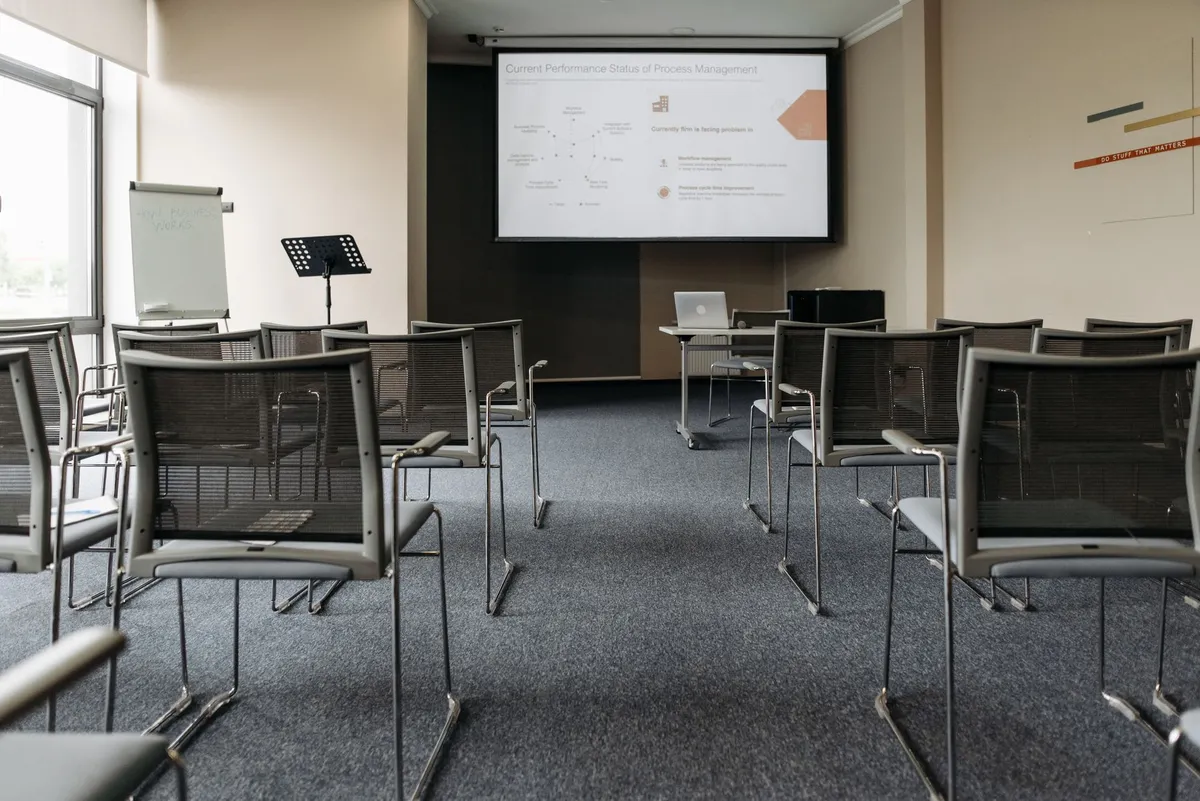
In an age where artificial intelligence (AI) tools are becoming ubiquitous, a surprising movement is emerging from an unlikely source: public libraries. Librarians are stepping up to host workshops aimed at helping the public navigate the complexities of AI technologies that many feel have been forced upon them without their consent. With titles like "Avoiding AI," these workshops are not just about understanding AI; they are about empowering individuals to reclaim their digital autonomy and make informed choices about the technology they use.
Charlie Bailey, a librarian from South Philadelphia, exemplifies this movement. During one of his workshops, he humorously remarked, "Everybody’s on their phone at my program!" as he guided adults through the process of disabling features like Apple Intelligence and Google’s Gemini. This initiative responds to a rising frustration among the public regarding the pervasive and intrusive nature of AI technologies, which often seem to operate in the background without users’ awareness or desire.
The Rising Frustration with AI
The sentiment expressed by Bailey resonates with many individuals who feel overwhelmed by the rapid integration of AI into their daily lives. As AI chatbots and tools permeate everything from smartphones to email applications, users are left feeling as though they have little control over their own devices. Bailey points out that many people are unaware of how these technologies operate or how they can choose to opt out. "It’s important to advance digital literacy and help people reclaim their autonomy over whether they want to use AI tools," he says.
This growing discontent is not an isolated phenomenon. Hannah Cyrus, a librarian from Maine, has also witnessed a surge in interest regarding AI and its implications for users. After publishing a journal article on her own "Avoiding AI" workshop, Cyrus received a flood of requests from librarians around the world seeking to replicate her initiative. "Nobody has ever been emailing me like, ‘Can you give me your Intro to Computers slides?’" she noted. This newfound interest highlights a collective yearning for education and understanding around AI technologies.

Workshops as a Tool for Digital Empowerment
These workshops serve a dual purpose: they educate attendees about AI tools and provide practical steps for disabling them. In her sessions, Cyrus covers the basics of how AI technologies function, followed by detailed instructions on turning off unwanted features. The response has been overwhelmingly positive; Cyrus had to limit her first workshop to 30 attendees due to high demand, with around 70 people tuning in via livestream.
Bailey’s experience mirrors that of Cyrus, as his workshop also saw an impressive turnout, with social media engagement surpassing typical library events. "As an information professional, it feels good to see people skeptical of AI," he shared, underscoring the importance of fostering a community dialogue around technology usage.
Building a Community of Skeptics
During these workshops, camaraderie develops among participants as they share their own experiences and insights. Attendees exchange tips, such as how appending a specific string to a Google search can hide AI-generated results. This collaborative spirit not only enriches the learning experience but also reinforces the notion that many are in the same boat—navigating the complexities of modern technology together.
One participant, Johnny, expressed concerns about the broader implications of AI and data centers on his community. Another attendee, Gabrielle, noted the environmental impact of AI while acknowledging its potential benefits in fields like medicine. This nuanced perspective reflects the complexity surrounding the AI debate; attendees are not outright rejecting AI but advocating for more control and transparency in its use.
Advocating for Control and Agency
The underlying theme of these workshops is a desire for control over one’s digital life. Librarians like Bailey and Cyrus recognize that the forced adoption of AI tools is problematic, particularly when users feel they are not using these technologies as intended. Cyrus remarked, "The forced adoption of AI on people’s devices might be the straw that’s breaking the camel’s back in some ways," highlighting the growing awareness of the outsized influence that tech companies wield over individuals.
This movement is part of a larger conversation about digital literacy and consumer rights in the tech space. As AI continues to evolve, the need for education around its implications becomes more pressing. Librarians are ideally positioned to lead these discussions, given their expertise in information dissemination and community engagement.
Addressing Misinformation and Skepticism
The workshops also tackle the misinformation that often surrounds AI technologies. Many consumers may not fully understand what AI can and cannot do, leading to misguided fears or over-reliance on these tools. By demystifying AI and providing straightforward guidance, librarians help attendees make informed decisions, whether they choose to embrace or reject AI technologies.

What Lies Ahead: Continuing the Conversation
As the movement to educate the public about AI grows, it is crucial for libraries and educational institutions to continue offering platforms for these discussions. The popularity of the "Avoiding AI" workshops indicates a significant demand for digital literacy education, particularly as technology continues to evolve at a rapid pace.
Looking forward, librarians can expand their workshops to include discussions on ethical AI use, privacy concerns, and the impact of AI on employment and society. By fostering ongoing dialogue, they can empower individuals to not only navigate the complexities of technology but also advocate for their rights and preferences in an increasingly AI-driven world.
Key Takeaways
- Librarians are hosting "Avoiding AI" workshops to educate the public about disabling unwanted AI features.
- The workshops aim to empower individuals to reclaim their digital autonomy and make informed choices about technology.
- The movement reflects a growing skepticism towards the pervasive influence of AI in daily life.
- Community engagement and knowledge-sharing are central themes in these workshops.
- Ongoing discussions about digital literacy and ethical technology use are essential for future generations.
Frequently Asked Questions
What can I expect at an "Avoiding AI" workshop?
Participants can expect a comprehensive overview of AI technologies, including how they work and their implications for users. The workshop typically includes step-by-step instructions for disabling unwanted features on various platforms, allowing attendees to regain control over their devices.
Are these workshops only for tech-savvy individuals?
No, these workshops are designed for individuals of all tech levels. Librarians aim to create an inclusive environment where anyone can learn about AI and its implications, regardless of their prior knowledge or experience with technology.
How can I find a workshop near me?
To find a workshop in your area, check with your local library’s events page or contact them directly. Many librarians are eager to share their resources and may even offer virtual options for those unable to attend in person.
What should I do if I want to advocate for more digital literacy education?
If you’re interested in advocating for digital literacy in your community, consider reaching out to local libraries or educational organizations. Propose workshops or educational programs that focus on technology literacy, privacy, and consumer rights to help empower your community.
Comments
Apple TV's Neuromancer and Upcoming Series Shine at SDCC 2026
Apple TV continues to rise as a leader in prestige television, spotlighting new adaptations like Neuromancer and a fresh take on Carrie, unveiled at SDCC 2026.

Related articles

Popular in Guides
- Boomers Lead the Charge in Alcohol Abstinence: Insights from New Research
- Understanding the Physics of Silly Sprinklers and Feynman's Reverse Sprinkler Puzzle
- Mark Zuckerberg Acquires Strancally Castle: A Look at His New Irish Estate
- Last Chance to Score Discounts for TechCrunch Disrupt 2026
- The Coming Air-Conditioning Revolution in Europe: A Necessity or a Luxury?