Federal Judge Blocks Paramount's $111B Merger with Warner Bros.
A federal judge has intervened to halt Paramount's $111 billion acquisition of Warner Bros. Discovery, marking a significant legal win for a coalition of states. This ruling raises questions about the future of media consolidation and competition.
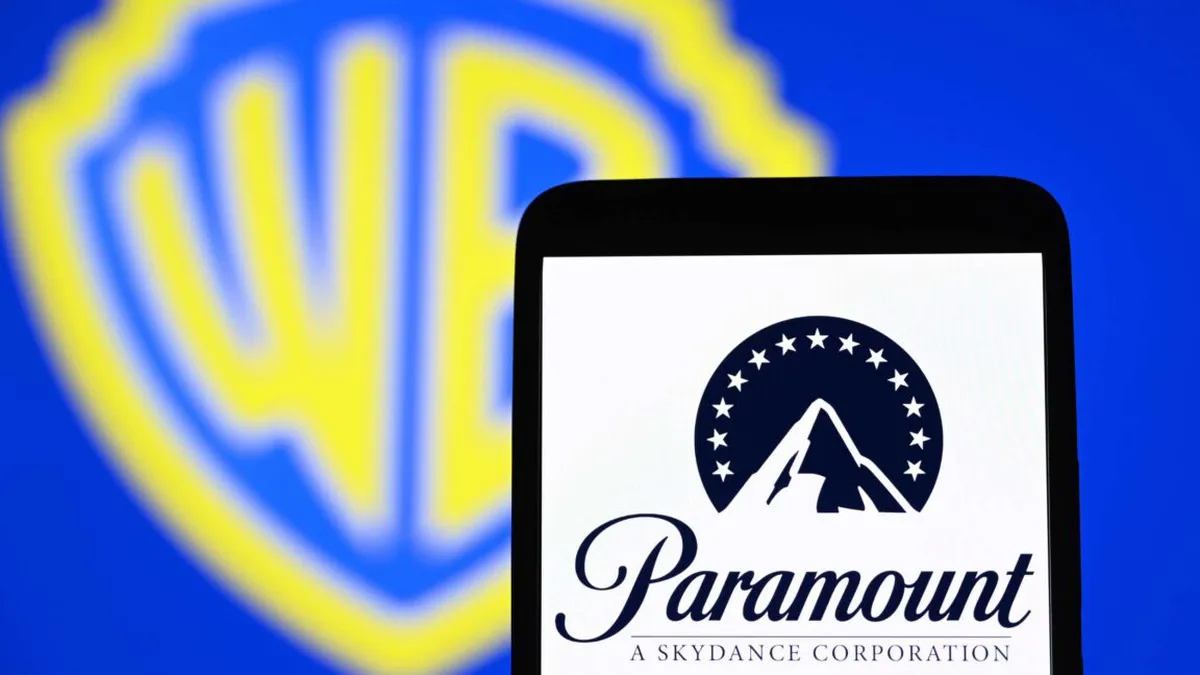
In a significant legal development for the media industry, a federal judge has ordered Paramount Skydance and Warner Bros. Discovery to suspend their ambitious $111 billion merger. This ruling represents an early victory for a coalition of states, led by California, that have filed a lawsuit seeking to block the deal. The decision not only halts the merger but also raises crucial questions regarding competition within the media sector and the broader implications for consumers and stakeholders.
The judge issued a temporary restraining order that prevents both companies from finalizing the merger or consolidating their operations. This order is initially valid for 14 days, but it can be extended or converted into a preliminary injunction, potentially delaying the merger until the legal issues are resolved. Such moves indicate a robust judicial scrutiny of mergers that could significantly impact market competition.

Background of the Merger
The proposed merger between Paramount Skydance and Warner Bros. Discovery is one of the largest in entertainment history, aiming to create a media behemoth capable of competing with other industry giants like Disney and Netflix. The merger comes on the heels of a trend toward consolidation in the media landscape, where streaming services and traditional studios are racing to capture consumer attention and subscription dollars.
However, the merger had already faced scrutiny even before the legal challenges. Under the previous Trump administration, the merger received preliminary approval, which surprised many observers given the current regulatory environment. The approval raised concerns about the potential for anti-competitive practices, as it would merge two of the five major Hollywood studios and significantly impact the distribution of content across various platforms.

Legal Arguments and State Concerns
The states’ lawsuit is grounded in concerns that the merger would stifle competition in the entertainment market by reducing the number of major studios from five to four. This consolidation could lead to fewer choices for consumers, higher prices for cable subscriptions, and diminished content diversity. The states argue that the merger poses a significant risk of creating monopolistic behavior in both film and television markets.
Some of the specific legal arguments presented by the states include:
- Elimination of Competition: By merging two major studios, the deal could reduce competitive pressures, leading to less innovation and higher costs for consumers.
- Impact on Content Creation: The merger could lead to a homogenization of content, reducing the variety of programming available to audiences.
- Increased Bargaining Power: A larger entity could exert more influence over distribution channels and pricing, further marginalizing smaller competitors.
Implications for the Media Landscape
This ruling could have far-reaching implications for the media industry, especially as it grapples with the challenges posed by streaming services and changing consumer preferences. The judge's decision to halt the merger reflects a broader trend of increased regulatory scrutiny over large corporate mergers. As the media landscape evolves, it is crucial to ensure that competition remains robust to foster innovation and protect consumer interests.
Moreover, the outcome of this case could set a precedent for future mergers in the industry. If the states succeed in blocking the merger, it may embolden other states to pursue similar actions against large-scale mergers that threaten competition.

What’s Next for Paramount and Warner Bros.?
The immediate future for Paramount Skydance and Warner Bros. Discovery now hinges on how they respond to this ruling. The companies can choose to contest the temporary restraining order in court, seeking to lift the hold on their merger, or they may look for alternative strategies to move forward. Furthermore, as the legal battle unfolds, the companies must prepare for the potential ramifications on their operational and strategic plans.
In the meantime, both entities will need to navigate the complexities of the media landscape without the benefit of the merger. This situation may prompt them to reevaluate their existing partnerships, content strategies, and market positioning as they await the outcome of the legal proceedings.
Key Takeaways
- A federal judge has halted the $111 billion merger between Paramount and Warner Bros.
- The ruling represents a significant legal victory for states concerned about competition.
- This case could set a precedent for future media mergers and regulatory scrutiny.
- Both companies must now reassess their strategies in light of the legal challenges.
- The outcome may impact consumer choices and pricing in the media market.
Frequently Asked Questions
Why did the states sue to block the merger?
The states, led by California, filed a lawsuit arguing that the merger would eliminate competition by reducing the number of major studios from five to four. This reduction, they contend, could lead to fewer choices for consumers, higher prices, and a decrease in content diversity, raising concerns about monopolistic practices in the entertainment industry.
What is a temporary restraining order?
A temporary restraining order (TRO) is a short-term court order that prevents parties from taking certain actions until a hearing can be held. In this case, the TRO prohibits Paramount and Warner Bros. from moving forward with their merger for 14 days. The court may extend this order or convert it into a preliminary injunction, which would last longer and potentially block the merger until the legal issues are resolved.
What are the broader implications of this ruling for the media industry?
This ruling has significant implications for the media landscape, as it signals a trend of increasing regulatory scrutiny over large mergers in the industry. If the merger is ultimately blocked, it could deter other companies from pursuing similar consolidations, thereby maintaining a competitive environment that fosters innovation and diverse content offerings for consumers.
Comments
Marvel Unveils First Trailer for Avengers: Doomsday Ahead of Comic-Con
The eagerly awaited trailer for Avengers: Doomsday has been released, signaling a pivotal moment in the Marvel Cinematic Universe's Phase Six. With significant changes to the storyline, fans are buzzing about what's next.
Related articles
Popular in Guides
- Boomers Lead the Charge in Alcohol Abstinence: Insights from New Research
- Understanding the Physics of Silly Sprinklers and Feynman's Reverse Sprinkler Puzzle
- Mark Zuckerberg Acquires Strancally Castle: A Look at His New Irish Estate
- Last Chance to Score Discounts for TechCrunch Disrupt 2026
- The Coming Air-Conditioning Revolution in Europe: A Necessity or a Luxury?