Hidden Zillow Listings: A Legal Battle Over NYC Rent Prices
A class action lawsuit against Compass alleges that hidden Zillow listings have artificially inflated rents in New York City, exacerbating the housing crisis.
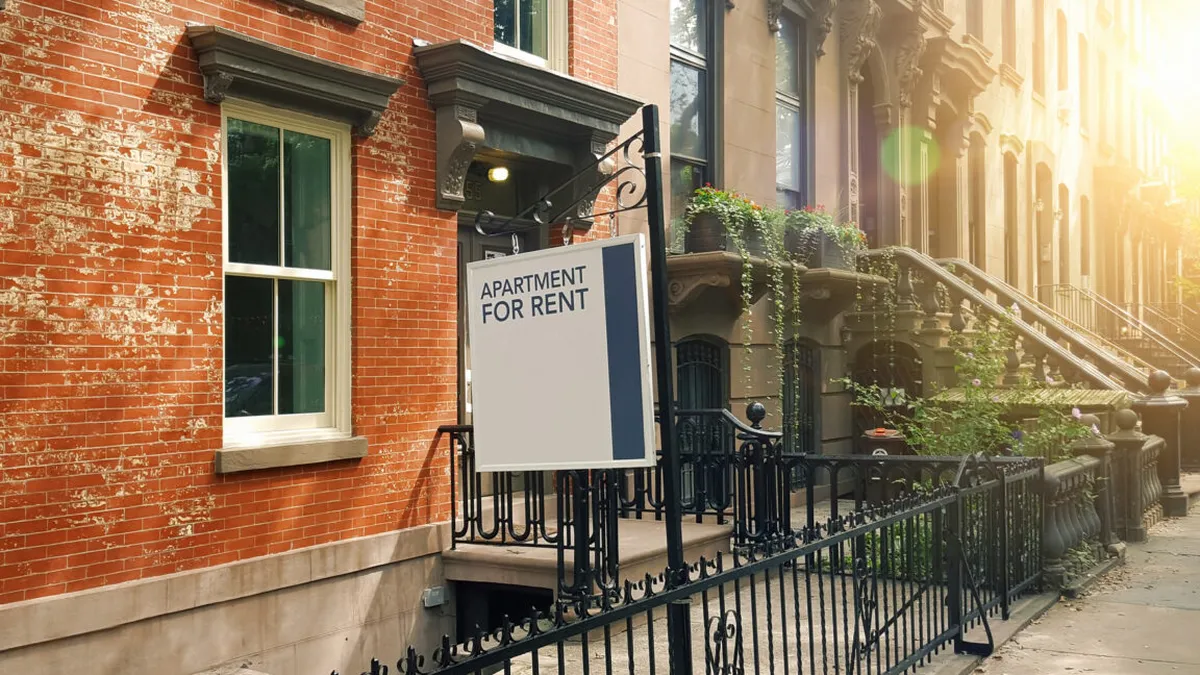
In a city where affordability is already a significant challenge, a recent class action lawsuit has emerged that could have profound implications for the New York City rental market. Two renters, Peter Castaneda and Haley Gelfand, claim that the brokerage firm Compass is engaging in anti-competitive practices by deliberately hiding rental listings from free platforms like Zillow. This alleged tactic has reportedly created a 'fake supply shock,' contributing to rising rents that many New Yorkers simply cannot afford. As the lawsuit unfolds, it raises critical questions about the intersection of technology, real estate, and the housing crisis in one of America’s most expensive cities.
The complaint, filed in August 2026, argues that Compass's actions are not only detrimental to renters but also reflect a broader trend in the real estate industry where technology and monopolistic behavior can drastically affect housing accessibility. With Compass reportedly controlling over 80% of rental unit listings in Manhattan, the plaintiffs suggest that the company has leveraged its dominance to manipulate prices and maximize profits at the expense of consumers.
The Allegations Against Compass
At the heart of the lawsuit are claims that Compass has systematically removed thousands of rental listings from Zillow and its affiliated platform, StreetEasy. By doing so, they argue, Compass has created an artificial scarcity that has driven up rents. New Yorkers frequently rely on these platforms to find affordable housing without incurring broker fees, which can significantly inflate the cost of renting.
How the Hidden Listings Impact Rent
The consequences of these hidden listings are stark. Castaneda, for instance, reported that he signed a lease for a one-bedroom apartment in downtown Manhattan for $5,270—a substantial increase from the previous month’s average asking rent of $4,390. Gelfand experienced similar challenges, witnessing rental prices rise as she searched for apartments during a critical time frame.
According to the complaint, the plaintiffs assert that the drastic reduction in public listings correlates directly with rising rental prices. Data shows that the number of available rental units in New York has decreased by 40% over the past year. This drop in inventory has been accompanied by a sharp increase in rental prices, suggesting a clear relationship governed by the principles of supply and demand in a tight housing market.

The Broader Implications of the Lawsuit
The ramifications of this lawsuit extend beyond individual renters. If successful, it could set a precedent for how rental listings are managed and accessed in the digital age. With the involvement of prominent figures like Senator Elizabeth Warren, who has raised concerns about a two-tiered housing market, the case underscores broader issues of equity and access in real estate.
The Role of Technology in Real Estate
The real estate market has been significantly transformed by technology, with platforms like Zillow and StreetEasy providing renters with unprecedented access to listings. However, this lawsuit highlights the darker side of tech’s impact on housing. According to the plaintiffs, Compass’s tactics of withholding listings are not only anti-competitive but also detrimental to the labor market for real estate agents. By limiting access to listings, Compass may be harming both renters and brokers who would otherwise benefit from a more competitive landscape.
Regulatory and Legal Scrutiny
As the situation evolves, both local and federal regulatory bodies have launched antitrust investigations into Compass’s business practices. These probes seek to determine whether Compass’s actions are harming competition and contributing to the housing affordability crisis. The implications of these investigations could be far-reaching, potentially leading to stricter regulations governing how rental listings are disseminated.
Compass’s Response and Legal Maneuvers
In response to the growing backlash, Compass initially filed an antitrust suit against Zillow, claiming that the platform was monopolizing access to rental listings. However, this lawsuit was dismissed in March 2026 when a judge ruled that Compass was unlikely to succeed, emphasizing the need for competition among platforms. This dismissal has only heightened the scrutiny on Compass as the class action lawsuit gains momentum.

What Renters Can Do
For renters in New York City, the unfolding legal battle serves as a reminder of the importance of advocacy and awareness in the rental market. With the potential for rising rents and a diminishing supply of affordable housing, understanding one's rights is critical. Here are some actionable steps renters can take:
- Stay Informed: Follow updates on the lawsuit and any regulatory changes that may affect rental practices.
- Engage with Local Advocacy Groups: Join forces with organizations that are working to combat housing inequities in New York City.
- Document Rental Trends: Keep records of rental prices and availability to support any claims related to rent increases.
- Explore Legal Options: If you feel you have been harmed by unfair rental practices, consider consulting with legal experts who specialize in tenant rights.
Key Takeaways
- The class action lawsuit against Compass highlights the impact of hidden listings on NYC rental prices.
- Compass allegedly controls over 80% of Manhattan's rental listings, allowing it to manipulate pricing.
- Regulatory bodies are investigating Compass for potential anti-competitive behavior.
- Rising rents and a shortage of rental units underscore the growing housing crisis in NYC.
- Renters should stay informed and consider advocacy efforts to address these issues.
Frequently Asked Questions
What is the main claim against Compass in the lawsuit?
The lawsuit claims that Compass has engaged in anti-competitive practices by hiding rental listings from platforms like Zillow, thereby creating an artificial supply shortage that leads to inflated rents. The plaintiffs argue that this behavior exacerbates the housing crisis in New York City.
How has the rental market in NYC been affected by these practices?
The alleged actions of Compass have led to a significant decrease in available rental units and a corresponding increase in rental prices. According to the complaint, there has been a 40% drop in available units, which has contributed to a 3-6% increase in rental prices over recent months.
What are the potential outcomes of this lawsuit?
If the plaintiffs succeed, the lawsuit could force Compass to change its business practices, potentially restoring access to rental listings on platforms like Zillow. Additionally, it could lead to financial penalties for Compass and a precedent for how rental markets operate in the future.
What can renters do if they are affected by rising rents?
Renters are encouraged to stay informed about the legal developments surrounding this case, engage with local advocacy organizations, document their rental experiences, and explore legal advice if they believe they have been impacted by anti-competitive practices in the housing market.
Comments
Last Chance to Attend TechCrunch Disrupt 2026: Save Up to $300
Secure your spot at TechCrunch Disrupt 2026 in San Francisco before ticket prices rise. Learn about the event's focus on AI and networking opportunities.

Related articles
Popular in Guides
- Boomers Lead the Charge in Alcohol Abstinence: Insights from New Research
- Understanding the Physics of Silly Sprinklers and Feynman's Reverse Sprinkler Puzzle
- Mark Zuckerberg Acquires Strancally Castle: A Look at His New Irish Estate
- Last Chance to Score Discounts for TechCrunch Disrupt 2026
- The Coming Air-Conditioning Revolution in Europe: A Necessity or a Luxury?