The Rising Heat: How Climate Change Intensifies Pesticide Risks for Farmworkers
As temperatures surge, the dangers of pesticide exposure for America’s farmworkers also increase. This article explores the alarming intersection of climate change and agricultural safety, highlighting the urgent need for reform.
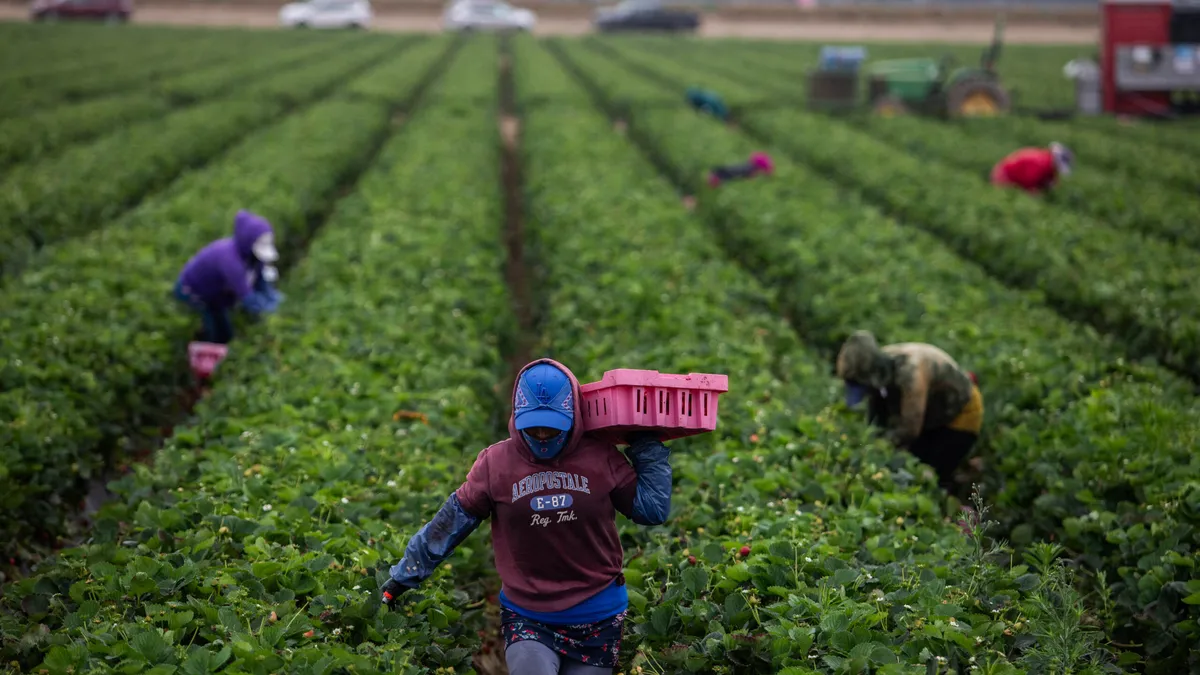
The impacts of climate change are becoming increasingly evident across various sectors, but few are as alarming as its effects on agriculture, particularly for the nation’s farmworkers. With rising temperatures, the toxicity of pesticides is heightened, posing significant health risks to the approximately 2.4 million farmworkers in the United States. This situation raises critical concerns about environmental justice, as many of these workers are immigrants or people of color, often facing hazardous working conditions without adequate protections.
Research indicates that heat stress not only increases the vulnerability of the human body to harmful chemicals but also influences the effectiveness and safety of protective gear. As temperatures rise, the evaporation rates of pesticides increase, leading to greater exposure risks for those working in the fields. It is imperative to examine how these intertwined issues of climate change and pesticide use affect farmworkers and what can be done to mitigate these dangers.
The Amplifying Effects of Heat on Pesticide Toxicity
Heat stress is a serious concern for farmworkers, as it significantly impairs the body’s ability to function effectively. According to Omanjana Goswami, a scientist with the Union of Concerned Scientists, heat can exacerbate pesticide absorption through the skin and respiratory system. This increased vulnerability is particularly troubling given the high levels of pesticide exposure farmworkers face on a daily basis. The combination of high temperatures and pesticide application creates an environment ripe for health complications.
Increased Exposure Risks
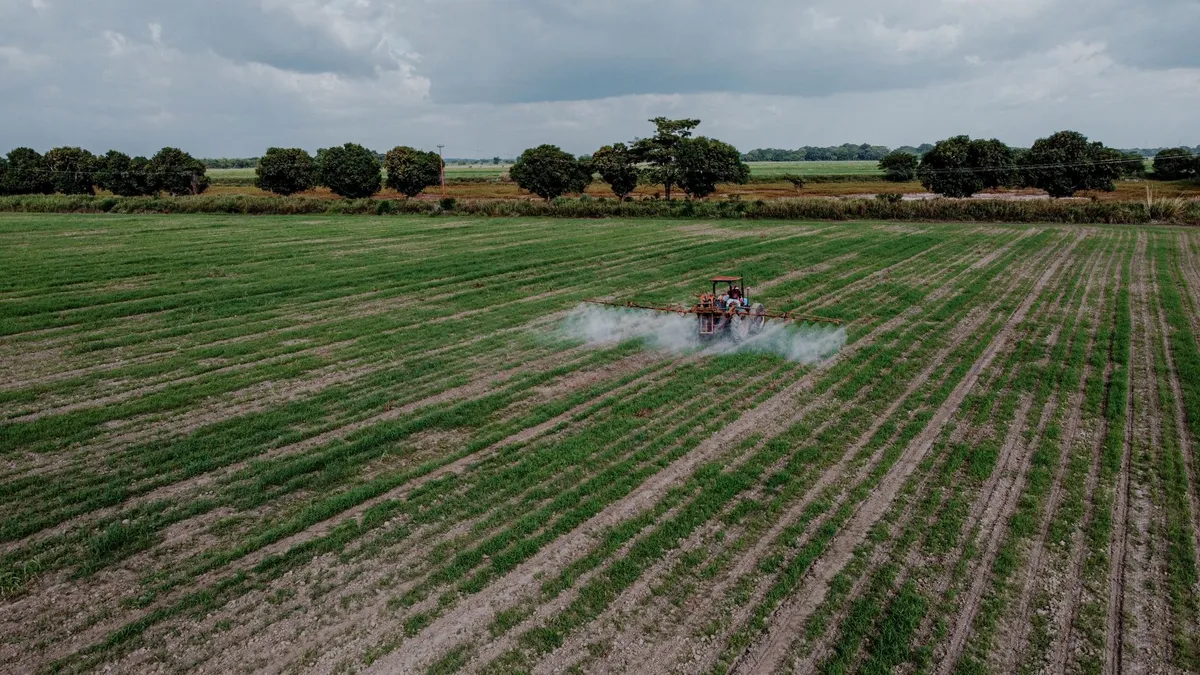
As temperatures climb, not only does the body’s stress level rise, but the application rates of pesticides may also increase as farmers strive to combat expanding pest populations and the proliferation of weeds. The Union of Concerned Scientists has noted that the use of pesticides is likely to escalate as pests adapt to changing climates, further endangering farmworkers who may already be at risk from previous exposure.
- Heat can increase skin permeability, allowing for greater pesticide absorption.
- Higher evaporation rates lead to increased airborne pesticide concentrations.
- Protective gear may become less effective in high temperatures, increasing exposure risks.
The Current State of Pesticide Poisoning
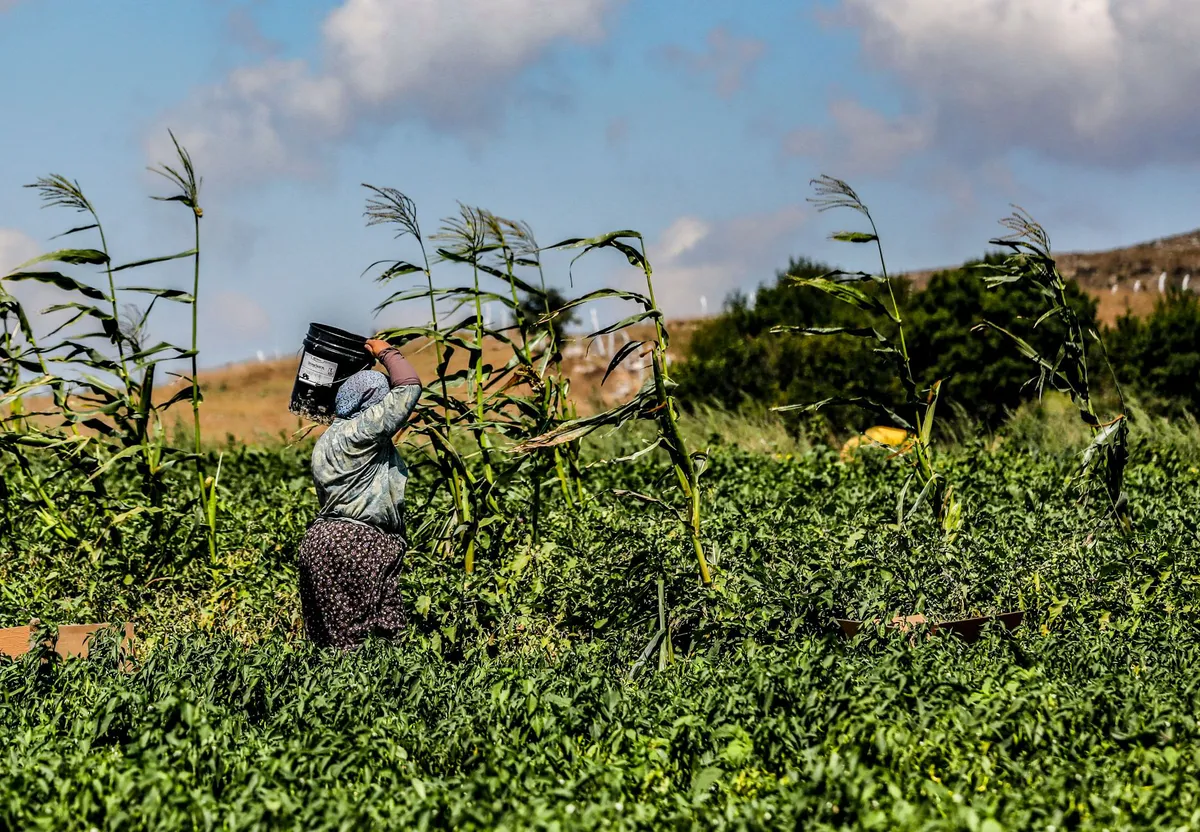
Despite the dangers, many farmworkers suffer from acute pesticide poisoning annually, yet comprehensive data remains scarce. Reporting practices differ significantly across states, contributing to an underestimation of the problem. The Environmental Protection Agency (EPA) acknowledges that thousands of cases go unreported, exacerbating the risks for this vulnerable population.
Vulnerable Populations and Environmental Injustice
Many farmworkers are immigrants and people of color who often lack access to proper healthcare and resources. Jeannie Economos, from the Farmworker Association of Florida, highlights the plight of these “landless farmers.” They are often relegated to roles that expose them to dangerous working conditions without the opportunities to become independent farmers themselves. This scenario reflects a broader pattern of environmental injustice, where marginalized groups bear the brunt of environmental hazards.
Health Consequences of Pesticide Exposure
The health implications of chronic pesticide exposure are severe and multifaceted. Research links such exposure to a range of serious health issues, including:
- Cancer
- Depression
- Diabetes
- Neurodegenerative diseases
- Reproductive issues
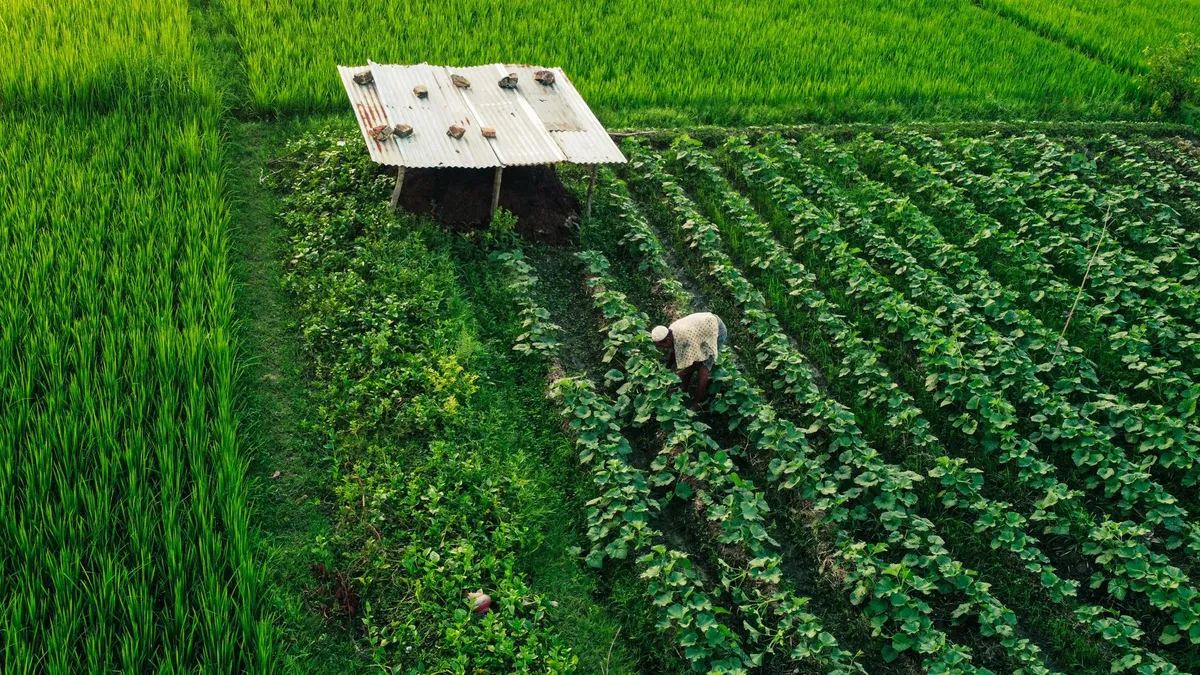
Farmworkers are often advised to take precautions, such as changing clothes and showering after work to avoid contaminating their families with pesticide residues. However, the reality is that many lack access to adequate facilities to perform these basic hygiene practices, compounding the risks for their children and other family members.
The Regulatory Landscape
In response to the growing concerns regarding heat and pesticide exposure, the Occupational Safety and Health Administration (OSHA) proposed a new standard in 2024 aimed at better defining employer obligations concerning heat hazards. Although this proposal is still progressing slowly, it highlights the necessity for more stringent regulations to protect farmworkers.
State Protections and Legislative Challenges
While some states like California and Oregon have implemented protections against heat-related illnesses, others, such as Florida and Texas, have taken steps to limit local governments from enacting such laws. For instance, in 2024, Florida lawmakers prohibited local initiatives requiring outdoor workers to receive adequate breaks and water supply during extreme heat. This legislative environment creates a patchwork of protections that leave many farmworkers vulnerable to the combined threats of heat and pesticide exposure.
Key Takeaways
- Rising temperatures heighten the risks of pesticide exposure for farmworkers.
- Inadequate protections and regulations continue to expose vulnerable populations to health hazards.
- Chronic pesticide exposure is linked to severe health issues, necessitating urgent reform.
- Legislative efforts to protect farmworkers from heat are inconsistent across states.
Frequently Asked Questions
What are the primary health risks associated with pesticide exposure for farmworkers?
Farmworkers face a myriad of health risks due to pesticide exposure, including acute poisoning and chronic conditions such as cancer, depression, and reproductive issues. The exposure can occur through inhalation, skin contact, or even through residues left on clothing, posing risks not only to the workers but also to their families.
How does climate change affect pest populations and pesticide use?
Climate change leads to shifts in pest populations and the emergence of new pests, prompting farmers to increase pesticide use to control these threats. The combination of rising temperatures and changing ecosystems can result in more frequent and intense pesticide applications, exacerbating health risks for farmworkers.
What protections do farmworkers have against heat-related illnesses?
Currently, protections vary significantly by state. While some states have enacted laws requiring breaks and access to water for outdoor workers, others, like Florida, have restricted local governments from implementing such measures. This inconsistency leaves many farmworkers without adequate safeguards against heat-related health risks.
Comments
Fairphone 6+: A Sustainable Smartphone Revolution Arrives in the US
Fairphone has launched its latest repairable smartphone, the Fairphone 6+, in the U.S. market. With a focus on sustainability and repairability, this device aims to combat the throwaway culture of consumer electronics.

Related articles
Popular in Guides
- Boomers Lead the Charge in Alcohol Abstinence: Insights from New Research
- Understanding the Physics of Silly Sprinklers and Feynman's Reverse Sprinkler Puzzle
- Mark Zuckerberg Acquires Strancally Castle: A Look at His New Irish Estate
- Last Chance to Score Discounts for TechCrunch Disrupt 2026
- The Coming Air-Conditioning Revolution in Europe: A Necessity or a Luxury?