The X-Files: I Want to Believe – Vrach Frankenshteyn Revives Horror
Chris Carter's R-rated director's cut of 'The X-Files: I Want to Believe' reintroduces the horror elements he originally envisioned, making it more relevant than ever. With a new focus on terror and a chilling narrative, this version brings Mulder and Scully back into the shadows of their past.
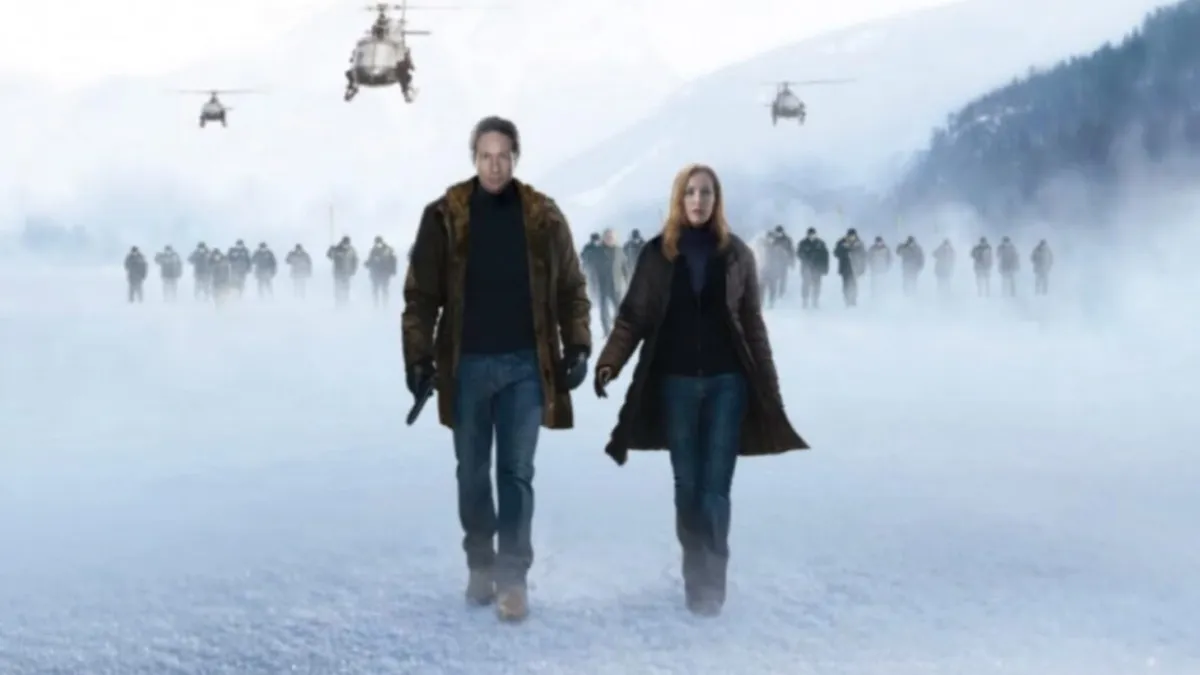
The resurgence of classic cult films has become a significant trend in the entertainment industry, and few franchises have sparked as much intrigue and nostalgia as The X-Files. With the recent release of Chris Carter's R-rated director's cut of the 2008 film, titled The X-Files: I Want to Believe–Vrach Frankenshteyn, fans are abuzz with excitement and curiosity about how this new version will reshape their understanding of the original story. In a world where horror and science fiction frequently intertwine, Carter's vision for a more chilling narrative has finally been realized, offering a fresh perspective on a beloved series.
Originally released in 2008, I Want to Believe garnered mixed reviews and underperformed at the box office, earning $68 million against a $30 million budget. However, its impact was felt years later, as it contributed to the revival of the X-Files series in 2016. Now, with the arrival of the director's cut, the film presents an opportunity to delve deeper into the horror that Carter intended, showcasing the chilling aspects that were initially subdued due to studio constraints.
The Motivation Behind the Director's Cut
Chris Carter, the creator of The X-Files, has always been fascinated by the intersection of horror and science. During a recent interview, he shared that his original concept for I Want to Believe was inspired by real scientific advancements, specifically a doctor who successfully performed a head transplant on monkeys. This premise sparked his imagination, leading him to consider the implications of extending human life through radical and ethically questionable means. Carter remarked, "That’s an X-File. I’ve got to tell that story," emphasizing how relevant these themes are today, as society grapples with technology's role in life and death.
The director's cut is not merely a restoration of cut scenes; Carter collaborated with two editors to rework the film entirely, focusing on delivering the horror experience he initially envisioned. He expressed that the original edit leaned heavily on the relationship between Mulder and Scully, making it feel more like a relationship drama than a horror film. The new version aims to correct that imbalance, allowing the horror elements to take center stage.
Restoring the Horror: What’s New in Vrach Frankenshteyn
The revamped film retains its core narrative but enhances the horror aspects significantly. The plot revolves around the mysterious abduction of women, which leads agents Fox Mulder (David Duchovny) and Dana Scully (Gillian Anderson) back into the FBI's X-Files. Their investigation is prompted by a disgraced priest, Father Joe, who claims to have psychic visions of the abductions. The film journeys into dark themes of faith versus reason, a recurring motif throughout the series.
In this director’s cut, audiences can expect:
- A darker tone that emphasizes terror and the supernatural.
- Restored scenes that highlight the gruesome aspects of the abductions.
- Revised pacing to create a more suspenseful and engaging narrative.
- Enhanced character development for Mulder and Scully, showcasing their struggle against both external and internal demons.
By revisiting the horror genre, Carter positions this cut as a timely exploration of humanity's darker impulses, making it particularly relevant as audiences reflect on technological advancements and ethical dilemmas in today's society.

Faith vs. Science: A Theme Revisited
At its core, The X-Files has always delved into the conflict between faith and science. In the director's cut, this theme is explored through the lens of the characters as they confront their past and the chilling realities of the present. Mulder's unwavering belief in the paranormal often clashes with Scully's scientific skepticism, creating a dynamic that resonates with audiences.
Carter's fascination with the Frankenstein narrative — creating life from death — permeates this film, as it did with many episodes of the series. The director's cut emphasizes the ethical questions surrounding scientific experimentation and the lengths to which humanity might go in pursuit of knowledge and immortality. This exploration speaks to contemporary concerns about bioengineering and the moral implications of playing God.
Looking to the Future: More X-Files to Come?
As fans eagerly anticipate the release of the director’s cut, many are left wondering what the future holds for The X-Files. Carter hinted at potential stories he wishes to explore, particularly those that could expand on the character arcs established in previous seasons. With the success of the recent reboots, there may still be more X-Files content on the horizon.
Carter mentioned wanting to tell a larger story involving Scully's pregnancy, which was a significant plot point in the later seasons. He expressed admiration for Ryan Coogler’s upcoming reboot for Hulu and stated that he does not want to interfere with that vision. Still, the enduring popularity of Mulder and Scully suggests that their story is far from over.
Key Takeaways
- Chris Carter's vision: The R-rated director's cut restores the horror elements originally intended for the film.
- Relevant themes: The narrative addresses contemporary ethical dilemmas surrounding technology and life.
- Character dynamics: The relationship between Mulder and Scully is explored in greater depth, emphasizing their contrasting beliefs.
- Future potential: There are hints at more X-Files stories to come, depending on the reception of this director's cut.
Frequently Asked Questions
What changes were made in the director's cut compared to the original film?
The director's cut of The X-Files: I Want to Believe features a complete re-edit that enhances the horror elements significantly. Carter restored several deleted scenes, revised the pacing to create a more suspenseful narrative, and emphasized the darker themes of the story, particularly around the abductions and the characters' personal struggles. The overall tone is much more aligned with horror, showcasing the chilling aspects that were previously subdued.
Why is the theme of faith versus science important in The X-Files?
The theme of faith versus science is central to The X-Files, as it reflects the complex relationship between belief and empirical evidence. This dichotomy is embodied in the characters of Mulder and Scully, who represent opposing viewpoints. By exploring this theme, the series encourages viewers to question their own beliefs and the limits of scientific understanding, making it a relevant discussion in the context of modern technological advancements and ethical dilemmas.
Will there be more X-Files films or series in the future?
While Chris Carter has expressed interest in continuing the story of The X-Files, particularly regarding unresolved plot points from the original series, the focus currently seems to be on Ryan Coogler's upcoming reboot for Hulu. Carter respects Coogler's vision and does not wish to interfere with it. However, the enduring popularity of the franchise suggests that more content could emerge depending on audience demand and the success of the director's cut.
How does this director's cut address contemporary issues?
The director's cut of I Want to Believe connects with contemporary issues by addressing the ethical implications of scientific advancements, particularly in the realms of bioengineering and life extension. As society grapples with questions about technology's role in our lives, Carter's reimagined narrative serves as a chilling reminder of the potential consequences of pushing ethical boundaries in the pursuit of knowledge.
Comments
Exploring Alternatives to Pocket: Your Guide to Read-it-Later Apps
As Mozilla shuts down Pocket, discover top alternatives to save articles and web content for later reading. We explore features, pricing, and what you need to know.

Related articles
Popular in Guides
- Boomers Lead the Charge in Alcohol Abstinence: Insights from New Research
- Understanding the Physics of Silly Sprinklers and Feynman's Reverse Sprinkler Puzzle
- Mark Zuckerberg Acquires Strancally Castle: A Look at His New Irish Estate
- Last Chance to Score Discounts for TechCrunch Disrupt 2026
- The Coming Air-Conditioning Revolution in Europe: A Necessity or a Luxury?