Learning from Tragedy: The Silent Threat of Balamuthia Mandrillaris
The tragic case of a toddler's death from a brain-eating amoeba highlights critical lessons for early diagnosis and treatment of rare infections. Understanding this amoeba can save lives.
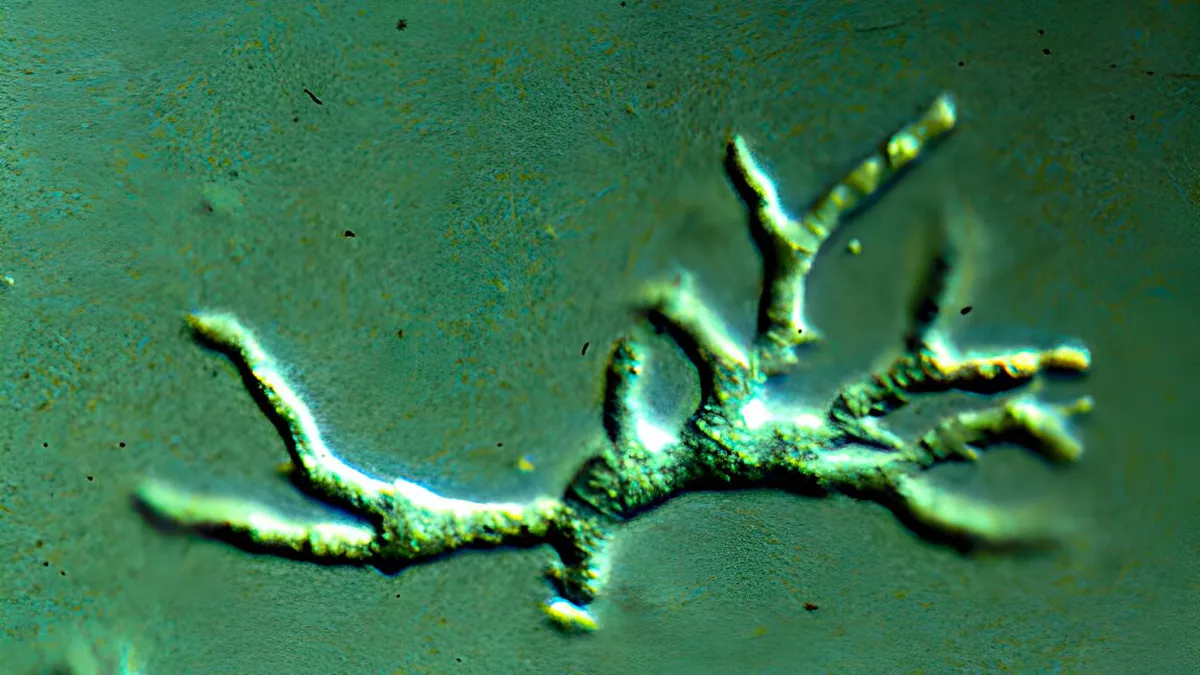
In a heartbreaking case that underscores the importance of timely medical intervention, a healthy toddler in Washington state succumbed to a rare brain infection caused by the free-living amoeba, Balamuthia mandrillaris. This tragic incident not only highlights the deadly potential of this organism but also sheds light on the challenges faced by healthcare professionals in diagnosing rare infections. The child's symptoms initially appeared vague and nonspecific, leading to misdiagnosis and ultimately, irreversible damage. This article explores the implications of this case, offering crucial insights for medical practitioners and families alike.
The Enigmatic Balamuthia Mandrillaris
Balamuthia mandrillaris is a single-celled organism found in soil and water, capable of causing a severe brain infection known as amoebic granulomatous encephalitis (AGE). First identified in the brain of a monkey at the San Diego Zoo in 1986, the amoeba has since been linked to approximately 200 human cases worldwide, with a staggering 90% mortality rate. The infection is particularly insidious due to its initial presentation, which can mimic other, less severe illnesses.

Symptoms and Transmission
Initial symptoms of B. mandrillaris infection include:
- Fever
- Headaches
- Vomiting
- Nausea
- Fatigue
In some cases, patients may also develop skin lesions, especially on the face. Neurological symptoms may follow, including confusion, seizures, and paralysis, complicating the diagnosis further. The routes of infection remain poorly understood, but it is believed that individuals can contract the amoeba through inhalation of contaminated dust or through skin wounds.
A Case Study: Diagnosis Gone Awry
The toddler's ordeal began with seemingly innocuous symptoms: vomiting, lethargy, and weakness on one side of his body. When he was first admitted to the hospital, a CT scan revealed a hemorrhage in his brain, leading doctors to initially diagnose him with Takayasu arteritis, a rare inflammatory condition affecting large blood vessels. This misdiagnosis set off a chain of events that would ultimately prove fatal.

Misdiagnosis and Delayed Treatment
For nearly a month, the child was treated for Takayasu arteritis with immunosuppressive drugs. Although his symptoms improved temporarily, they soon returned with a vengeance, leading to a rapid deterioration of his condition. It wasn't until 30 days after his initial visit that doctors identified the true culprit using advanced genetic testing on cerebrospinal fluid. By this time, irreversible brain damage had occurred, leading to a tragic outcome.
Learning from the Tragedy
In light of this case, healthcare professionals are urged to reconsider their diagnostic approaches in similar scenarios. The doctors involved in the case published their findings in BMJ Case Reports, advocating for a more thorough exploration of potential infections before initiating immunosuppressive therapies. They emphasize the importance of considering B. mandrillaris in patients with atypical cases of progressive vasculitis.

Recommendations for Healthcare Providers
The lessons learned extend beyond this singular case. Healthcare providers should:
- Remain vigilant for rare infections, especially in young patients presenting with vague symptoms.
- Consider conducting diagnostic tests for infectious agents, including genetic testing of cerebrospinal fluid, before starting treatments that may compromise the immune system.
- Increase awareness about B. mandrillaris and its potential to cause severe brain infections in seemingly healthy individuals.
The Importance of Awareness and Education
While the medical community grapples with the implications of this tragic case, families also play a crucial role in recognizing warning signs. Understanding the symptoms associated with B. mandrillaris can empower parents to seek timely medical attention. Early detection can significantly improve outcomes, as evidenced by other cases where prompt diagnosis led to recovery.
Key Takeaways
- Misdiagnosis of rare infections like Balamuthia can lead to devastating outcomes.
- Healthcare providers should consider a broad differential diagnosis, especially in pediatric cases.
- Early detection and treatment of B. mandrillaris infections can be life-saving.
- Parents must be aware of symptoms and advocate for timely medical intervention.
Frequently Asked Questions
What is Balamuthia mandrillaris?
Balamuthia mandrillaris is a free-living amoeba that can cause a severe brain infection known as amoebic granulomatous encephalitis. It is found in soil and water and is known for its high mortality rate in infected individuals.
How can Balamuthia infections be treated?
While treatment options exist, including antimicrobial and antiparasitic medications, the effectiveness largely depends on the stage of the infection at diagnosis. Early identification is critical for improving survival rates.
What should parents look out for in their children?
Parents should monitor their children for symptoms such as fever, headache, vomiting, and lethargy. If symptoms persist or worsen, especially with neurological signs like confusion or seizures, immediate medical attention is crucial.
Can healthy individuals get infected with Balamuthia?
Yes, while individuals with compromised immune systems are at higher risk, healthy individuals can also contract Balamuthia mandrillaris through environmental exposure. Awareness and quick action are key to preventing severe outcomes.
Comments
Grubhub's $24M FTC Settlement: Impact on Drivers and Diners
Grubhub faces a $24 million settlement due to misleading practices affecting drivers and diners. Over 640,000 recipients will benefit from the distribution, emphasizing the need for transparency in gig economy platforms.

Related articles
Popular in Guides
- Boomers Lead the Charge in Alcohol Abstinence: Insights from New Research
- Understanding the Physics of Silly Sprinklers and Feynman's Reverse Sprinkler Puzzle
- Mark Zuckerberg Acquires Strancally Castle: A Look at His New Irish Estate
- Last Chance to Score Discounts for TechCrunch Disrupt 2026
- The Coming Air-Conditioning Revolution in Europe: A Necessity or a Luxury?