Understanding the Real Impact of the Mount Toba Eruption
The Mount Toba eruption, once thought to nearly extinguish humanity, appears to have had a surprisingly mild climate impact, lasting under two years with only minor cooling effects. New geological evidence reveals insights that challenge previous theories about this catastrophic event.
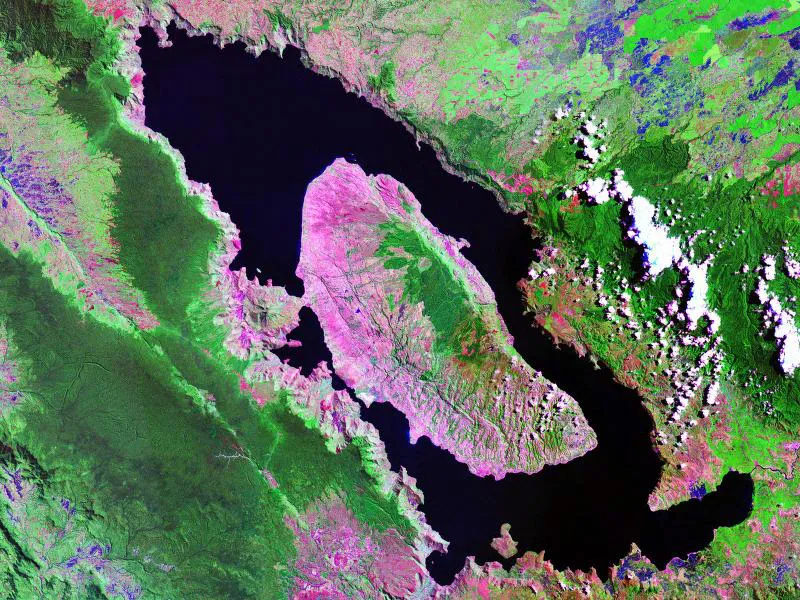
The Mount Toba eruption, which occurred around 74,000 years ago, has long been shrouded in mystery and fear, with some theories suggesting it nearly led to the extinction of humanity. This catastrophic event, recorded as the largest volcanic eruption in the last 2.6 million years, unleashed thousands of cubic kilometers of magma, resulting in widespread ash and potential climate disruption. However, recent research has cast doubt on the severity of its impact. A team of geoscientists, led by Jinheum Park from Johannes Gutenberg University, has uncovered evidence suggesting that the eruption's climate effects were not as catastrophic as once believed, lasting less than two years and resulting in a mere half-degree Celsius of cooling.
This article delves into the findings of the research team, examining the implications of the Mount Toba eruption on early human survival and the broader climate context of the time. By analyzing sediment cores from Lake Chala, a unique environment on the slopes of Mount Kilimanjaro, scientists have gained valuable insights into the eruption's aftermath and the resilience of early human populations.
The Context of the Mount Toba Eruption
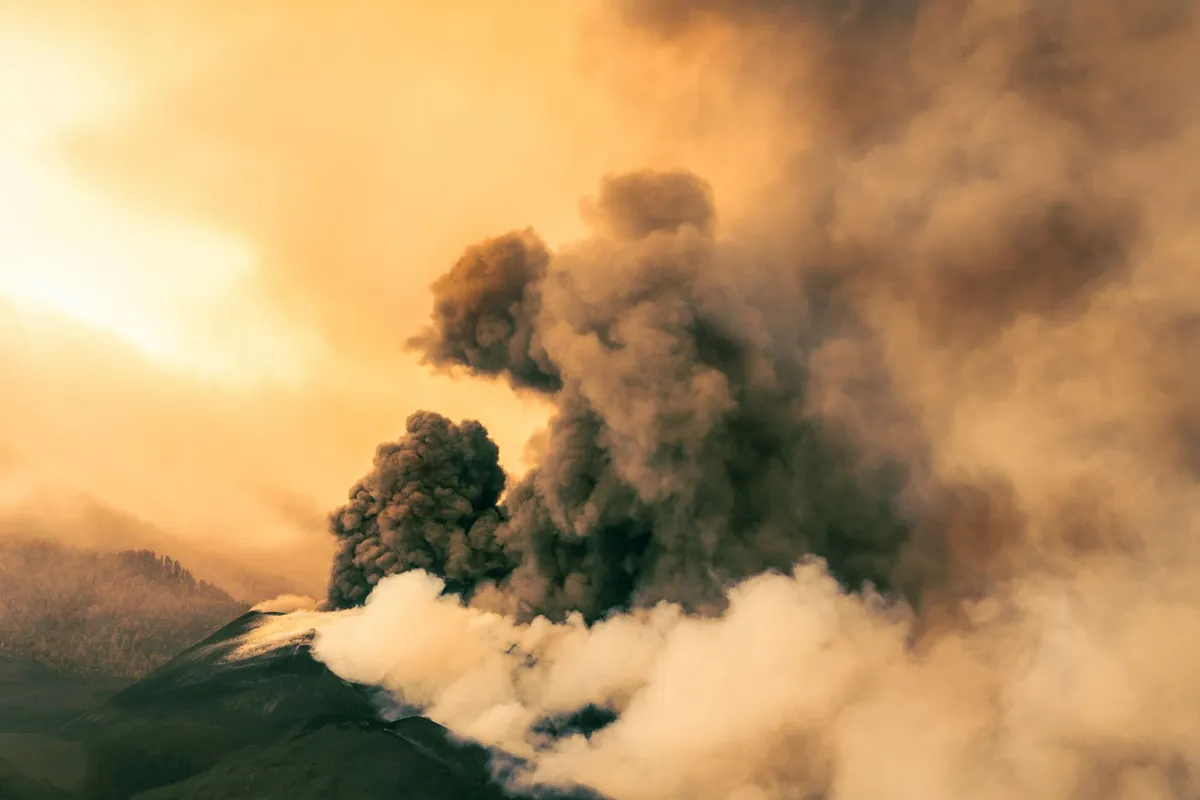
To fully appreciate the significance of this research, it is essential to understand the context and magnitude of the Mount Toba eruption. Occurring in what is now Indonesia, the eruption expelled volcanic ash and gases into the atmosphere, creating a caldera that currently houses a lake. Initially, scientists feared that the event triggered a volcanic winter, leading to widespread cooling and severe ecological consequences.
Historically, the Toba eruption has been linked to the so-called Toba catastrophe theory, which posits that the eruption nearly annihilated human populations. Some researchers estimated that the cooling effects could have drastically reduced the number of early humans, pushing them to the brink of extinction. However, the new findings challenge this narrative, suggesting a more nuanced and less dire aftermath.
New Evidence from Lake Chala
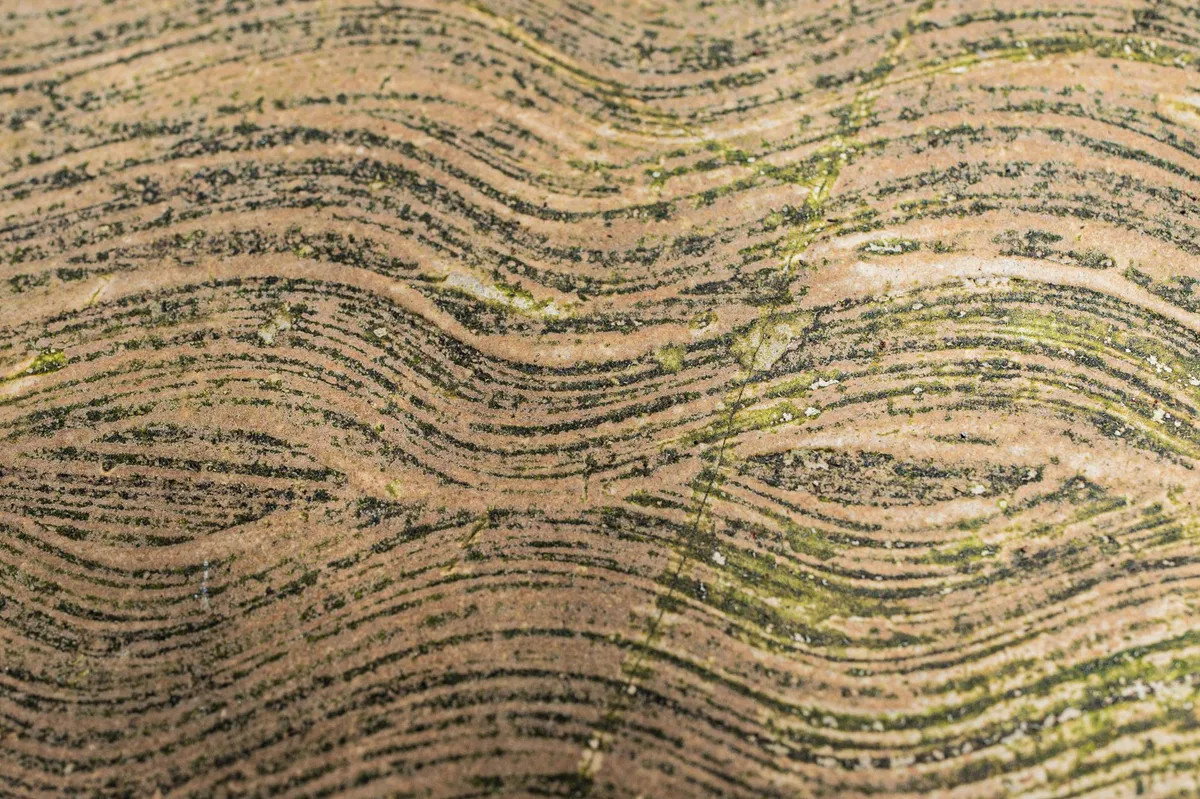
Central to this new understanding is Lake Chala, a crater lake that serves as a high-resolution climate recorder. Unlike traditional sediment cores from ocean or lake floors, which can mix materials from different years and obscure clear patterns, Lake Chala's unique conditions allow for precise annual records. The lake's lack of oxygen and currents results in well-preserved layers of sediment, akin to tree rings, making it an ideal site for studying the impact of the Toba eruption.
How Scientists Analyzed the Sediment
The research team meticulously analyzed sediment cores from Lake Chala, focusing on the layers surrounding the ash from the Toba eruption. They employed various techniques, including microscopic examination of diatoms—algae that thrive in nutrient-rich waters—and chemical analysis of sediment ratios. Their findings revealed that the cooling effects of the eruption were not as severe as previously thought, lasting only about 18 months.
- Cooling Duration: The climate effects lasted less than two years.
- Temperature Change: The estimated temperature drop was approximately 0.5 degrees Celsius.
- Impact on Diatoms: Algal blooms indicated environmental stress but returned to normal after two years.
- Season Timing: The eruption likely occurred in January or February, affecting climate patterns differently than earlier models suggested.

Implications for Early Human Survival
The implications of these findings are significant for understanding early human history. The research suggests that the Toba eruption did not create a catastrophic environment for our ancestors, as had been widely hypothesized. Instead, it contributed to a milder climate shift that was already in motion.
Park's team argues that the region was transitioning from a warmer, wetter climate to a cooler, drier one, which aligns with natural climate variations recorded in geological history. The Toba eruption's impact appears to have been relatively minor compared to this broader climatic trend, suggesting that early humans had the resilience to adapt to changing conditions.
Addressing the Catastrophe Theory
While the Toba catastrophe theory posited a near-extinction event, the new evidence indicates that early human populations were not as severely affected as previously believed. Instead of facing a dire threat to their survival, they likely experienced a temporary cooling period that they could navigate. The research highlights the adaptability of our ancestors in the face of environmental challenges.
Methodological Limitations and Future Research
Despite the compelling nature of these findings, there are limitations to the study. Lake Chala provides valuable insights into regional climate patterns, but it does not offer a comprehensive picture of the global climate response to the Toba eruption. The researchers emphasize the need for further studies in other regions where Toba ash is present to build a more complete understanding of the eruption's impact.
Moreover, the findings encourage scientists to explore new methodologies for studying sediment cores and climate events. The ability to accurately date significant geological events and assess their effects on ecosystems is vital for understanding Earth's climate history.

Key Takeaways
- The Mount Toba eruption, once thought to be catastrophic, had a limited climate impact lasting less than two years.
- Evidence from Lake Chala indicates a mere cooling of approximately 0.5 degrees Celsius.
- Early humans likely adapted to the environmental changes rather than facing extinction.
- Further research is needed to explore the global implications of the Toba eruption and refine our understanding of past climate events.
Frequently Asked Questions
What was the Mount Toba eruption, and why is it significant?
The Mount Toba eruption was a massive volcanic eruption that occurred around 74,000 years ago. It is significant because it is considered the largest eruption in the last 2.6 million years and has been linked to theories of near-extinction for early human populations. Recent studies, however, have revealed that its climate impact was not as severe as previously thought.
How did researchers determine the climate effects of the Toba eruption?
Researchers analyzed sediment cores from Lake Chala, using techniques such as microscopic examination of diatoms and chemical analysis of sediment ratios. This high-resolution approach allowed them to track changes in climate conditions and assess the duration and magnitude of cooling effects following the eruption.
What does this mean for our understanding of human history?
The findings suggest that early humans were more resilient to environmental changes than previously believed. Instead of facing a catastrophic event that threatened their survival, they likely experienced a temporary cooling period that they adapted to, contributing to the understanding of human adaptability in the face of climate challenges.
What are the next steps for research on the Toba eruption?
Future research will involve studying additional sediment cores in various regions where Toba ash is found to build a more comprehensive understanding of the eruption's global climate impact. Researchers also aim to refine methodologies for analyzing sediment records to enhance the accuracy of dating significant geological events.
Comments
Kindle Scribe Colorsoft Review: A Niche Device for Serious Note-Takers
The Kindle Scribe Colorsoft offers unique features for dedicated note-takers but comes with a hefty price tag and size that may deter casual users. Is it worth the investment?

Related articles
Popular in Guides
- Boomers Lead the Charge in Alcohol Abstinence: Insights from New Research
- Understanding the Physics of Silly Sprinklers and Feynman's Reverse Sprinkler Puzzle
- Mark Zuckerberg Acquires Strancally Castle: A Look at His New Irish Estate
- Last Chance to Score Discounts for TechCrunch Disrupt 2026
- The Coming Air-Conditioning Revolution in Europe: A Necessity or a Luxury?