The Intriguing Life Cycle of Zombie-Ant Fungi: A Deeper Dive
Recent research reveals that the parasitic fungi of the Cordyceps genus thrive not only within specific insect hosts but also in surrounding mosses. This discovery uncovers a complex relationship that might enhance the fungi's adaptability and survival strategies.
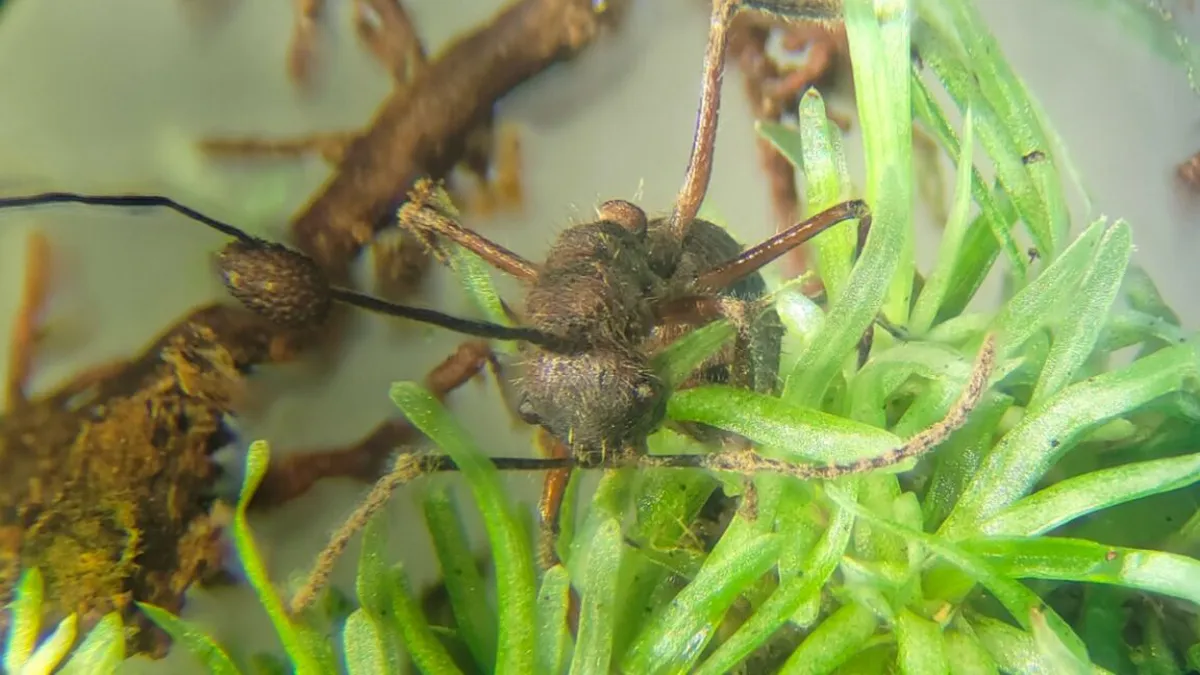
The realm of parasitic fungi has captivated scientists and nature enthusiasts alike, especially the infamous Cordyceps genus, known for its ability to manipulate the behavior of its insect hosts. Popularized in media like the video game and TV adaptation of The Last of Us, these fungi create a horror narrative where they take control of their hosts, transforming them into 'zombies' to facilitate their reproduction. Recent research has uncovered a fascinating twist in the life cycle of these fungi: they thrive in mosses surrounding their hosts, suggesting a sophisticated adaptation to environmental changes and host availability.
Published in the journal IMA Fungus, this groundbreaking study reveals that DNA analysis indicates the presence of Cordyceps fungi not only within infected insects but also in the mosses they frequent during their final moments. This discovery holds significant implications for understanding the ecological dynamics between fungal pathogens and their insect hosts, while also shedding light on the evolutionary strategies employed by these remarkable organisms.
The Fascinating World of Cordyceps Fungi
The Cordyceps genus encompasses over 400 species, each targeting specific insect species. Known for their unique parasitic behavior, these fungi utilize a strategy of infection and manipulation that is both gruesome and effective. The typical life cycle begins when spores from the fungus attach to a host, such as a carpenter ant. Once attached, the spores germinate and invade the insect's body through mycelial networks—long, thread-like structures that spread throughout the host.
Manipulation and Control
As the fungus proliferates within the host, it exerts control over the ant's behavior. The infected insect is compelled to climb to a high point, where it bites down on a leaf or twig, securing itself in place. This 'death grip' is crucial for the fungus's reproductive cycle, as it allows the fungus to sprout from the ant's body, releasing spores into the environment to infect new hosts. The entire process of zombification can take anywhere from four to fourteen days and involves a complex interplay of chemical signals that manipulate the ant’s nervous system.
New Discoveries in Fungal Adaptation
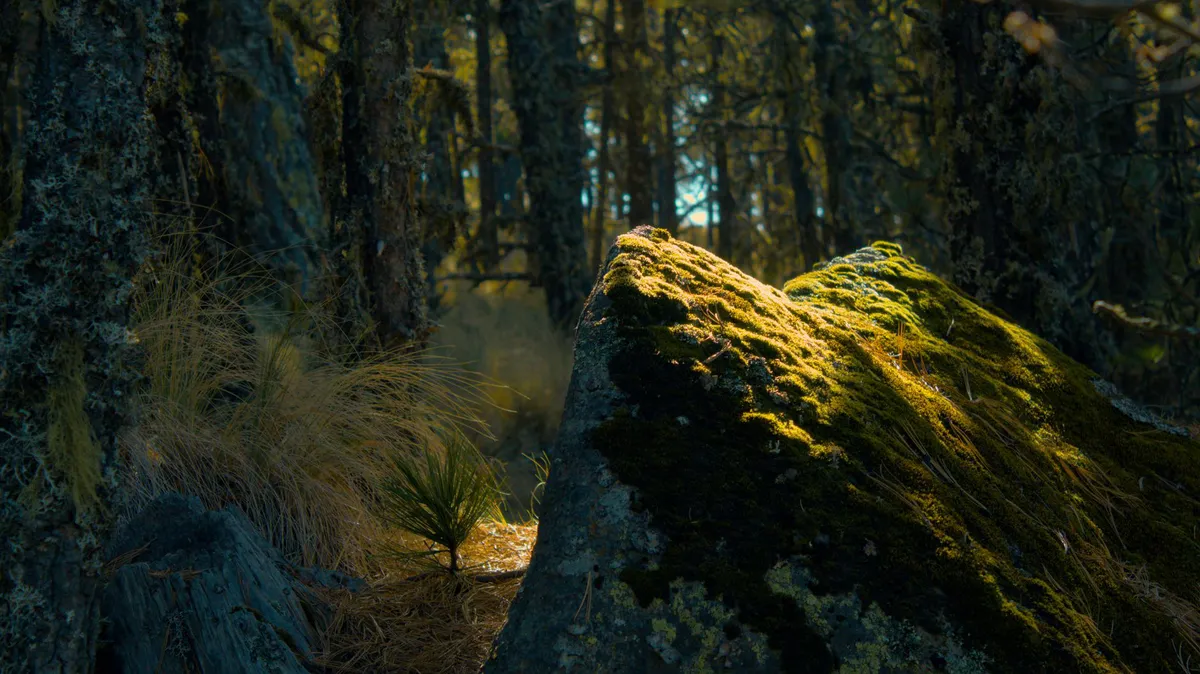
The latest research illuminates an unexpected aspect of the Cordyceps life cycle. Scientists collected samples from sites known as 'ant graveyards' within the Adolpho Ducke Forest Reserve in Brazil, where numerous infected ants had succumbed to the parasitic fungus. The researchers categorized samples into four groups: fungi from infected insects, mosses where ants were found, mosses adjacent to biting sites, and control mosses from unaffected areas.
- Identified 19 infected insects: Most were ants, but other species like weevils and firefly larvae were also found.
- Connection to mosses: Over half of the infected insects were found clinging to mosses, indicating a strong preference.
- Fungi in mosses: The presence of Cordyceps in surrounding mosses suggests a dual life stage for the fungus.
This duality hints at an evolutionary adaptation, allowing the fungus to persist even during periods of host scarcity. The researchers propose that the fungus may manipulate its hosts to select mosses as their death sites, which could enhance the fungi's chances of survival and reproduction in the ecosystem.
Ecological Implications of the Findings
The implications of this research extend beyond just the life cycle of Cordyceps fungi. The findings suggest a more intricate relationship between fungi and their environments, particularly in tropical ecosystems like the Amazon rainforest. As Cordyceps fungi are typically seen as specialized parasites, this study challenges that notion by demonstrating their ability to adapt and thrive in diverse ecological niches.
Broader Host Range
Similar observations have been made in other studies of fungal pathogens, indicating that adaptability to varying hosts is a common survival strategy. For instance, some fungi can infect both plant roots and nematode eggs, showcasing their versatility. This adaptability may become increasingly important in the face of climate change and habitat destruction, as these factors can significantly impact host availability.
Conclusion: A New Perspective on Fungal Life Cycles
This research not only deepens our understanding of the Cordyceps genus but also highlights the complex interactions between fungi, insects, and their habitats. The ability of these fungi to inhabit mosses could provide critical insights into their survival strategies, paving the way for future studies on fungal biology and ecology. As we continue to explore the intricate web of life within ecosystems, the story of Cordyceps fungi serves as a reminder of the fascinating and often unsettling relationships that govern the natural world.
Key Takeaways
- Cordyceps fungi are known for their parasitic manipulation of insect hosts.
- Recent studies reveal these fungi also thrive in mosses, suggesting a dual life stage.
- This adaptation may help the fungi survive during periods of host scarcity.
- The research highlights the complex interactions between fungi and ecosystems.
- Understanding these dynamics can inform future studies on pathogen behavior and ecology.
Frequently Asked Questions
What are Cordyceps fungi, and how do they affect their hosts?
Cordyceps fungi are a genus of parasitic fungi that specifically target insects. They infect their hosts by attaching spores to them, which then germinate and invade the host's body. Once inside, the fungus manipulates the insect's behavior, ultimately leading to the host's death and allowing the fungus to reproduce by sprouting from the host's body.
How do Cordyceps fungi survive when insect hosts are scarce?
The recent discovery that Cordyceps fungi thrive in surrounding mosses suggests an evolutionary adaptation that allows them to persist even when their primary insect hosts are not available. By existing in mosses, the fungi can wait for favorable conditions to infect new hosts.
What are the ecological implications of these findings?
This research indicates a more complex relationship between fungi, insects, and their habitats. It highlights the adaptability of Cordyceps fungi and suggests that they play a significant role in their ecosystems, potentially influencing the dynamics of insect populations and plant communities.
How might climate change affect Cordyceps fungi and their hosts?
Climate change could significantly impact the availability of hosts for Cordyceps fungi, as changes in temperature and habitat may alter insect populations. The adaptability of these fungi to thrive in different environments, such as mosses, may give them a survival advantage, but it remains to be seen how these dynamics will shift in response to ongoing environmental changes.
Comments
Moderna's mRNA Flu Vaccine: A Historic FDA Approval Amid Controversy
Moderna's mFLUSIVA, an mRNA-based flu vaccine, has received FDA approval for adults aged 50 and up, marking a significant shift in flu vaccination technology. This approval comes amid a tumultuous political landscape and uncertainties regarding its adoption and coverage.

Related articles
Popular in Guides
- Boomers Lead the Charge in Alcohol Abstinence: Insights from New Research
- Understanding the Physics of Silly Sprinklers and Feynman's Reverse Sprinkler Puzzle
- Mark Zuckerberg Acquires Strancally Castle: A Look at His New Irish Estate
- Last Chance to Score Discounts for TechCrunch Disrupt 2026
- The Coming Air-Conditioning Revolution in Europe: A Necessity or a Luxury?