Analyzing the 2026 Atlantic Hurricane Season: A Quiet Yet Impactful Year
The 2026 Atlantic hurricane season has been surprisingly calm, but the looming El Niño could have far-reaching effects on global temperatures and weather patterns. Explore the implications of this unusual season and what it means for coastal residents and the planet at large.
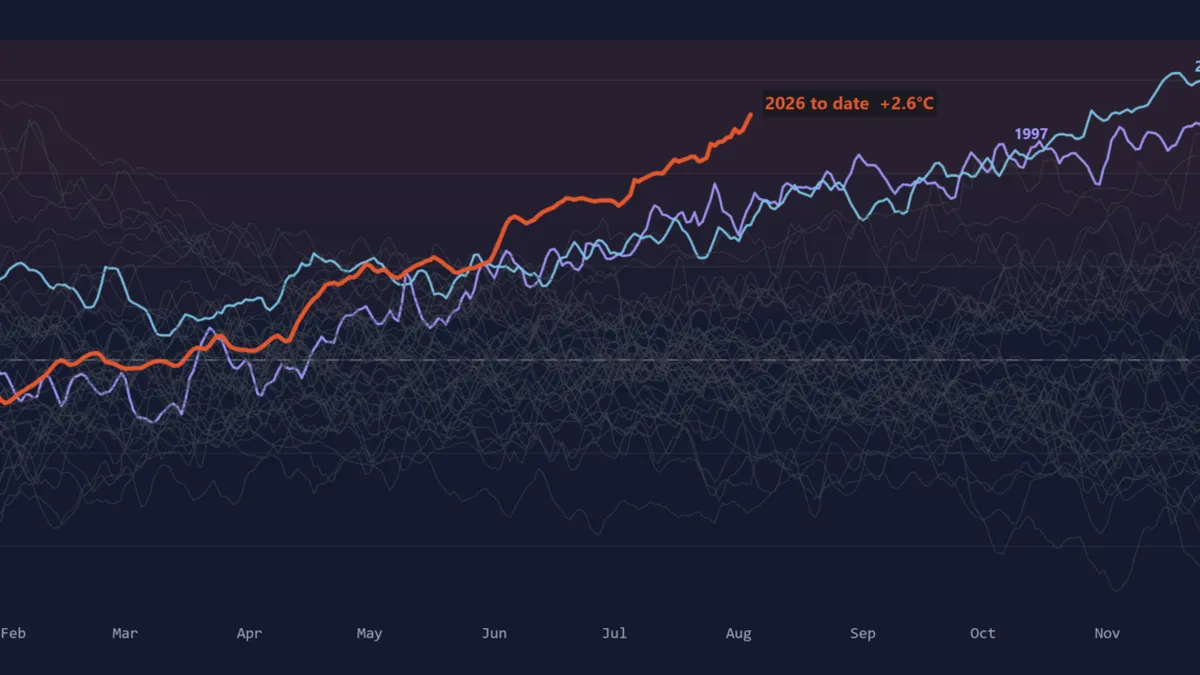
This year’s Atlantic hurricane season has been surprisingly quiet, particularly for residents of coastal regions like Houston, Texas. With only two named storms, Arthur and Bertha, making an appearance thus far, the season has not lived up to expectations. While two named storms might seem notable, both have been relatively weak, and the potential for more severe weather appears limited this year. However, beneath this calm surface lies a complex interplay of factors, particularly the rapidly strengthening El Niño phenomenon, which could have significant global repercussions.
As we move through August, the peak of the hurricane season looms, but current trends indicate that this year may be more subdued than usual. The implications of this quiet season extend beyond just a lack of storms; they may influence global temperatures and weather patterns for years to come.

Understanding the Current State of the Hurricane Season
Historically, by early August, the Atlantic basin typically experiences three to four named storms, with at least one of those developing into a hurricane. In 2026, however, only two storms have formed, and their intensity has been below average. According to Phil Klotzbach, a leading seasonal hurricane forecaster at Colorado State University, the season’s accumulated cyclone energy—a metric that measures the overall intensity and duration of tropical systems—stands at less than 30% of what is normally expected for this time of year.
This low energy level may suggest that we are in for a below-normal hurricane season, which is generally welcome news for coastal residents from South Texas to Maine. However, it is essential to recognize that a quiet season does not equate to a complete absence of storms. There remains the possibility of serious threats later in the season, particularly as we approach September and October, traditionally the most active months for hurricane formation.

The Role of El Niño in Shaping Weather Patterns
The significant factor altering the dynamics of this year's hurricane season is the El Niño phenomenon, which is characterized by the warming of ocean waters in the equatorial Pacific. This year, El Niño is strengthening rapidly, leading to high levels of vertical wind shear across the Atlantic basin. High wind shear can inhibit the development and intensification of tropical storms and hurricanes, ultimately leading to a quieter season.
Klotzbach has noted that the anticipated strong El Niño is expected to be the dominant factor influencing the hurricane season. He predicts a well-below-average probability for major hurricane landfalls along the U.S. coastline and in the Caribbean due to the high vertical wind shear associated with El Niño.
The Science Behind El Niño
El Niño events typically bring about various global weather changes, including altered precipitation patterns and increased risk of drought or flooding in different regions. The 2026 El Niño is not only expected to be strong; it could also become one of the most powerful recorded in the last century, with models predicting a peak temperature anomaly of 3.6°C, significantly higher than the previous record of 2.75°C set during the 2015-16 event.
Potential Long-Term Effects of a Quiet Hurricane Season
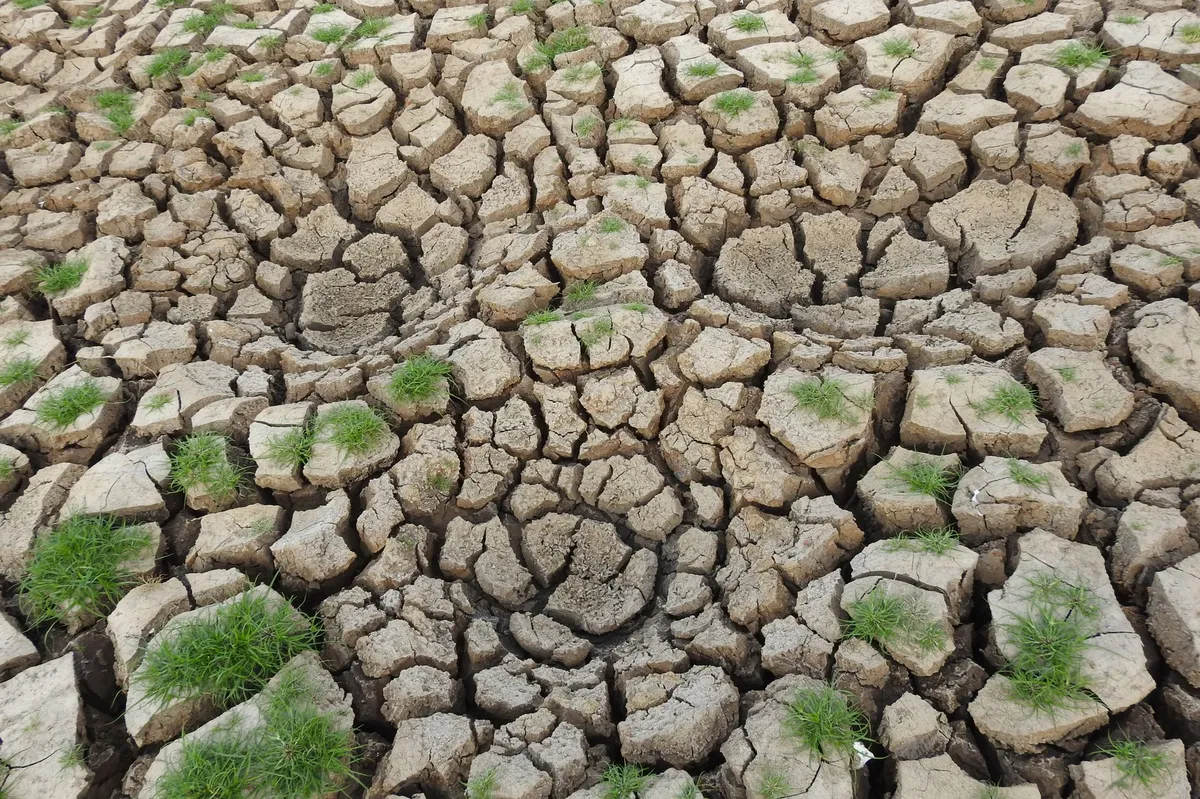
While a quieter hurricane season might seem beneficial in the short term, there are long-term consequences to consider. The warming effects of El Niño often lag behind the event itself, meaning that the significant global heating associated with this year’s strong El Niño may not be fully realized until 2027. Climate scientists predict that global temperatures next year could reach unprecedented highs, further exacerbating the effects of climate change and destabilizing our planet’s environment.
As a result, while coastal residents may benefit from a quieter hurricane season, they, along with the rest of the world, may face the consequences of intensified global warming. This paradox illustrates the complexity of weather patterns and climate change, emphasizing that the effects of natural phenomena like El Niño extend well beyond immediate weather events.
What Coastal Residents Should Know
For individuals living in coastal regions, it is crucial to remain vigilant even during a quieter hurricane season. Here are some key points to consider:
- Stay Informed: Keep an eye on forecasts and updates from reliable meteorological sources. Understanding the potential for storms later in the season is essential.
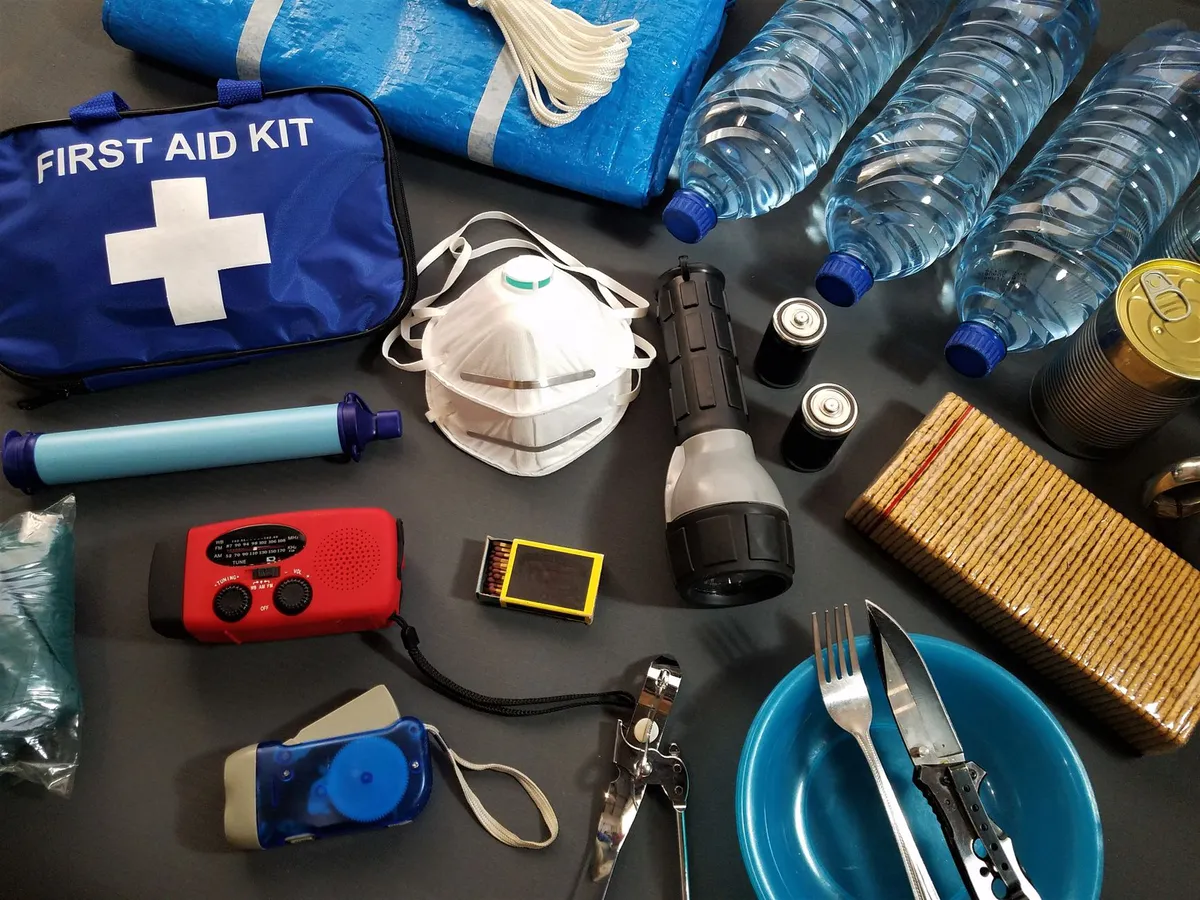
- Emergency Preparedness: Ensure that emergency plans are in place, including evacuation routes and supply kits, as conditions can change rapidly.
- Climate Awareness: Recognize the broader implications of weather patterns influenced by phenomena like El Niño. Being aware of climate change and its effects can help communities adapt.
- Community Engagement: Participate in local initiatives focused on climate resilience and disaster preparedness.
Key Takeaways
- The 2026 Atlantic hurricane season has seen only two named storms so far, indicating a potential below-normal season.
- The strengthening El Niño is significantly influencing this quiet season by increasing wind shear across the Atlantic.
- While fewer storms may be beneficial in the short term, the long-term effects of El Niño could result in record global temperatures and further climate instability.
- Coastal residents should remain prepared and informed, as conditions can change rapidly.
Frequently Asked Questions
What is El Niño, and why does it affect hurricane seasons?
El Niño is a climate pattern characterized by the warming of ocean surface temperatures in the central and eastern Pacific Ocean. This phenomenon affects global weather patterns, leading to increased wind shear in the Atlantic, which can suppress hurricane formation and intensification. Consequently, a strong El Niño can lead to a quieter hurricane season.
How does accumulated cyclone energy (ACE) relate to hurricane intensity?
Accumulated cyclone energy (ACE) is a metric used to quantify the total energy produced by tropical storms and hurricanes over a specific period. It considers both the number and intensity of storms. A lower ACE indicates a less active hurricane season with weaker storms, while a higher ACE signifies more intense and frequent storms.
What should I do to prepare for hurricane season?
Preparation for hurricane season involves having an emergency plan in place, including evacuation routes, supply kits with food, water, medications, and other essentials. Stay informed about weather forecasts and alerts from reliable sources to respond quickly to any developing storms.
How can climate change influence hurricane seasons?
Climate change can exacerbate the intensity and frequency of hurricanes through rising sea temperatures and changing atmospheric conditions. As global temperatures rise, the potential for more severe storms increases, making it essential to understand both climate change and its implications for hurricane activity.
Comments
Spider-Man: Brand New Day Delivers a Refreshing Take on Superhero Cinema
Spider-Man: Brand New Day reinvigorates the superhero genre with its focus on character depth and emotional storytelling, proving that CGI isn't everything.

Related articles
Popular in Guides
- Boomers Lead the Charge in Alcohol Abstinence: Insights from New Research
- Understanding the Physics of Silly Sprinklers and Feynman's Reverse Sprinkler Puzzle
- Mark Zuckerberg Acquires Strancally Castle: A Look at His New Irish Estate
- Last Chance to Score Discounts for TechCrunch Disrupt 2026
- The Coming Air-Conditioning Revolution in Europe: A Necessity or a Luxury?