Explosive Diarrhea Outbreak: Delays in Reporting Raise Concerns
The recent outbreak of explosive diarrhea linked to Cyclospora has resulted in fatalities and raised serious questions about federal response times and public health safety.
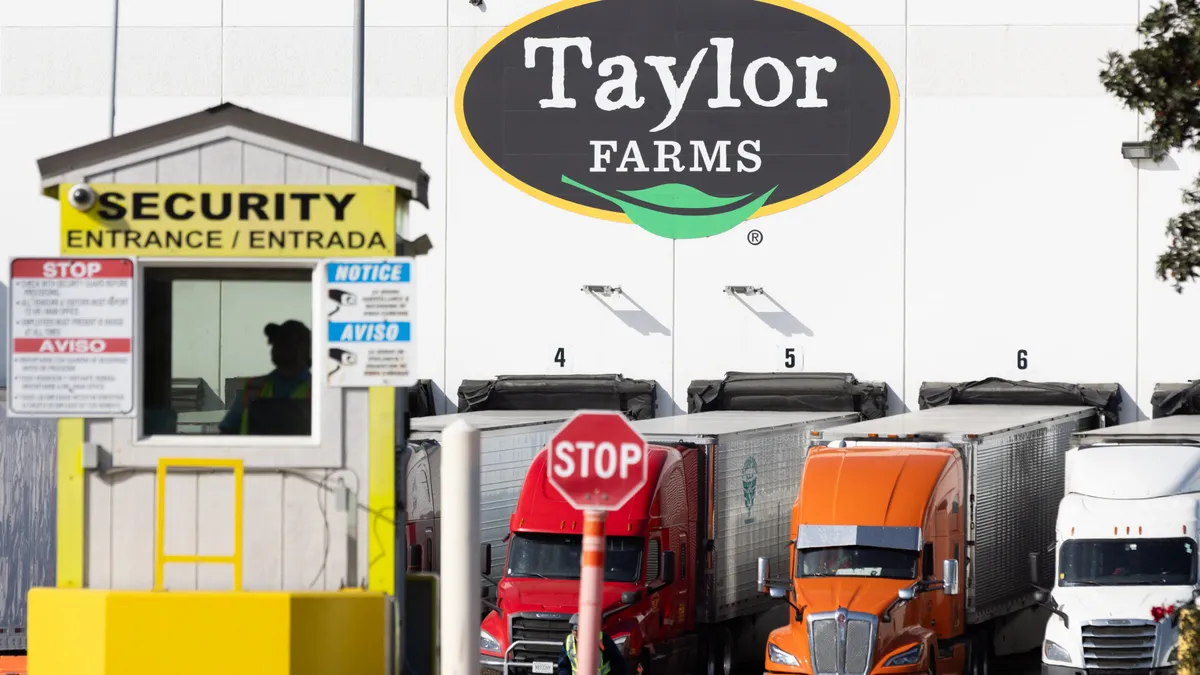
In a concerning development for public health, two individuals have died in the midst of a record-breaking outbreak of explosive diarrhea caused by the foodborne parasite Cyclospora. Announced by Michigan health officials, this tragic news has raised alarms regarding the effectiveness and timeliness of federal responses to foodborne illness outbreaks. As the investigation unfolds, many are left questioning the adequacy of existing protocols and the implications for public safety.
The outbreak, which has affected thousands across at least nine states, has been linked to contaminated shredded iceberg lettuce produced by Taylor Farms. With the Centers for Disease Control and Prevention (CDC) and the Food and Drug Administration (FDA) under scrutiny for their delayed reporting, the public is left in the dark about the full extent of the outbreak and its potential risks.
Understanding Cyclospora: The Parasite Behind the Outbreak
Cyclospora cayetanensis is a unicellular parasite that can cause severe gastrointestinal illness in humans, known as cyclosporiasis. The infection is often contracted through contaminated fresh produce, such as fruits and vegetables, particularly those with uneven surfaces where the parasite can cling. Common culprits in past outbreaks have included fresh herbs, raspberries, green onions, and snow peas.
The Symptoms and Risks
Symptoms of cyclosporiasis typically manifest within a week of infection and can include:
- Severe diarrhea
- Abdominal cramps
- Nausea
- Fatigue
- Weight loss
Although fatalities from cyclosporiasis are rare, they can occur, especially in individuals with significant underlying health conditions. In the current outbreak, Michigan health officials indicated that both deceased individuals had pre-existing health issues that may have exacerbated their conditions.

The Federal Response: A Call for Urgency
Despite the alarming rise in cases, the federal government's response has been tepid at best. The CDC has acknowledged the two fatalities but has not updated its official count or provided timely data regarding the outbreak's progression. This delay in reporting raises concerns about the effectiveness of public health surveillance and response mechanisms.
Budget Cuts and Staffing Issues
Experts speculate that the sluggish response may be attributed to significant budget and staffing cuts that the CDC and FDA have faced over the years. These reductions have hindered the agencies' abilities to conduct thorough investigations and respond effectively to outbreaks. As the outbreak continues to expand, with case counts in Michigan exceeding 11,000 and hospitalizations reaching nearly 200, the need for a robust federal response is more pressing than ever.
Tracking the Outbreak: State-Level Efforts
While federal agencies struggle with reporting, individual states have taken it upon themselves to track the outbreak's progress. Reports indicate that case counts have skyrocketed, with some states recording between 17,000 to nearly 23,000 cases, including confirmed and probable infections. Michigan's situation is particularly concerning, but other states like Missouri are also experiencing sharp increases in new cases.
Local Health Departments Step Up
Local health departments have been instrumental in tracking and reporting case numbers. For instance, Missouri reported a near doubling of its case count from July 26 to August 2, rising from 593 to 1,095 cases. This spike occurred despite Missouri not being among the nine states directly linked to the outbreak by the CDC and FDA, indicating the widespread impact of contaminated produce.

Public Health Campaigns: A Shift in Focus
The current administration's focus has also shifted toward wellness campaigns, which may detract from the urgency needed in infectious disease prevention. Health Secretary Robert F. Kennedy Jr., known for his controversial stance on vaccines, downplayed the outbreak's severity and emphasized initiatives aimed at improving diet and lifestyle choices instead of prioritizing infectious disease control.
Concerns Over Misinformation
This shift in focus can lead to misinformation and a false sense of security among the public. While healthy eating is undoubtedly important, it should not overshadow the need for vigilance and rapid response to foodborne illnesses. As health officials work to address the outbreak, it is critical that the public remains informed and aware of the risks associated with consuming contaminated produce.

Key Takeaways
- The Cyclospora outbreak has resulted in two fatalities, raising concerns about public health response.
- Federal agencies like the CDC and FDA have been criticized for delayed reporting and sluggish responses.
- State health departments are actively tracking the outbreak, showing significant increases in case counts.
- Public health messaging is shifting towards wellness campaigns, potentially diverting attention from the outbreak.
- Staying informed about food safety and health guidelines is essential for mitigating risk.
Frequently Asked Questions
What is Cyclospora and how does it spread?
Cyclospora is a microscopic parasite that causes gastrointestinal illness in humans, primarily through the consumption of contaminated fresh produce. The parasite is often found in foods like lettuce, herbs, and berries, particularly when they are contaminated with human feces. Proper washing and handling of produce can help reduce the risk of infection.
What symptoms should I look for if I suspect a Cyclospora infection?
Symptoms of a Cyclospora infection can include severe diarrhea, abdominal cramps, nausea, fatigue, and weight loss. If you experience these symptoms after consuming fresh produce, it is important to seek medical attention, especially if you have underlying health conditions that may complicate your recovery.
How are health officials tracking the outbreak?
Health officials at both the state and local levels are monitoring and reporting case counts associated with the Cyclospora outbreak. While federal agencies are also involved, many states have taken the initiative to track cases and hospitalizations in real time, providing valuable data to assess the outbreak's impact and address public health concerns.
What can I do to protect myself from foodborne illnesses?
To protect yourself from foodborne illnesses, practice safe food handling techniques. Thoroughly wash fruits and vegetables under running water, avoid cross-contamination between raw and cooked foods, and stay informed about food recalls and safety alerts. Being proactive about food safety can significantly reduce your risk of infection.
Comments
Restoration of the Digital Equity Act: Implications and Challenges
The reinstatement of parts of the Digital Equity Act marks a significant shift in U.S. broadband policy. This article explores the implications of the ruling, the reinstated funding, and ongoing challenges in achieving digital equity.

Related articles
Popular in Guides
- Boomers Lead the Charge in Alcohol Abstinence: Insights from New Research
- Understanding the Physics of Silly Sprinklers and Feynman's Reverse Sprinkler Puzzle
- Mark Zuckerberg Acquires Strancally Castle: A Look at His New Irish Estate
- Last Chance to Score Discounts for TechCrunch Disrupt 2026
- The Coming Air-Conditioning Revolution in Europe: A Necessity or a Luxury?