Harnessing AI to Decipher Ancient Languages: A New Frontier
As artificial intelligence (AI) technology advances, it holds promise for deciphering lost languages like Linear A and Etruscan. However, human insight remains essential in this complex endeavor.

The quest to understand lost languages like Linear A and Etruscan has fascinated linguists for centuries. As scholars grapple with these enigmatic scripts, the advent of artificial intelligence (AI) has introduced a new dimension to the field. While AI excels in pattern recognition and data processing, the journey to decipher these ancient languages still hinges on human intuition and creativity. The interplay between advanced algorithms and human expertise may ultimately hold the key to unlocking the secrets of these forgotten tongues.
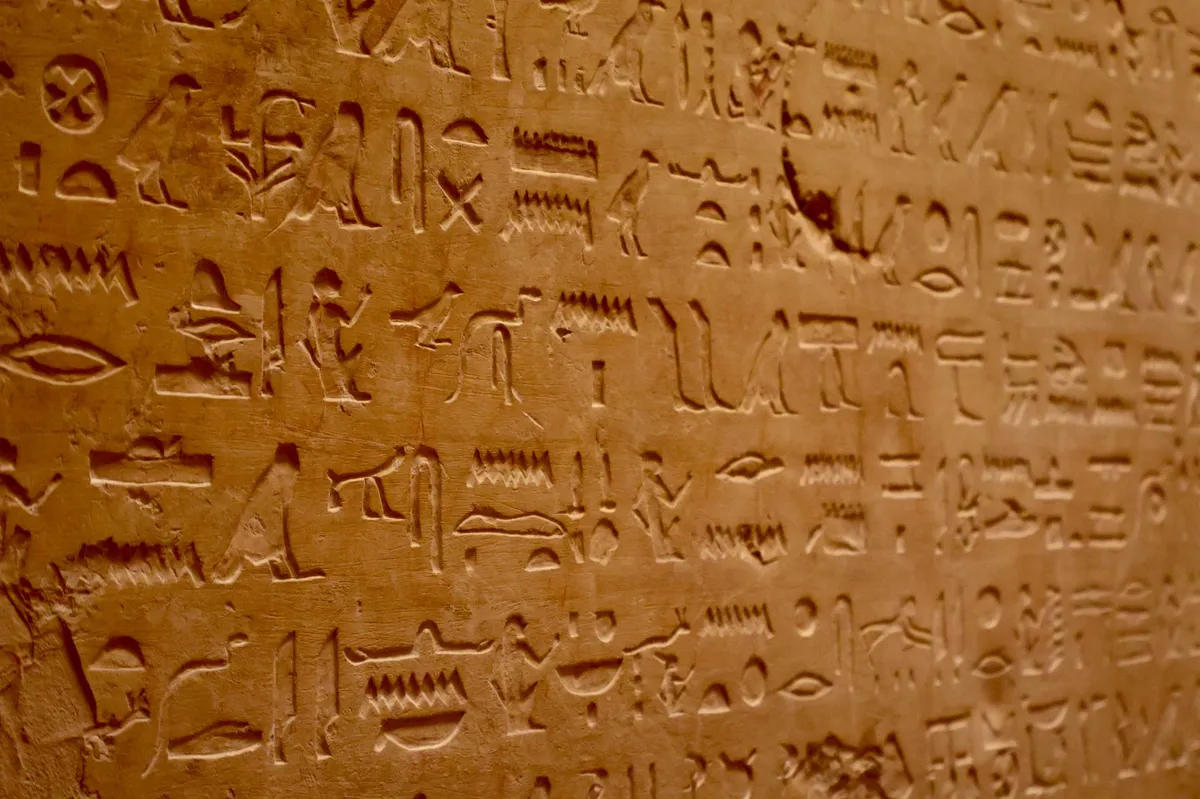
Linear A, the ancient script of the Minoan civilization on Crete, and Etruscan, the language of pre-Roman Italy, have long posed significant challenges to linguists. Without a known relative language or a bilingual text to serve as an anchor—akin to the Rosetta Stone—these languages remain largely undeciphered. In this landscape, AI has emerged as a powerful tool to assist researchers, though it is important to understand both its capabilities and its limitations.
The Challenge of Deciphering Linear A and Etruscan
Deciphering an ancient language requires more than just analyzing inscriptions; it necessitates a comprehensive understanding of cultural and historical contexts. Linear A comprises roughly 7,500 characters, a concise corpus that presents unique challenges for linguists. Similarly, Etruscan has a fragmented vocabulary primarily derived from funerary inscriptions, making it difficult to establish grammatical rules or meanings. These languages are categorized as "language isolates" due to the absence of any confirmed connections to known languages.
AI's Role in the Decipherment Process
AI has gained traction in the field of linguistics for its ability to process vast amounts of data quickly. By leveraging machine learning algorithms, researchers can analyze patterns across large text corpora to identify potential meanings or correlations. For instance, a recent breakthrough in Linear A involved a self-taught AI engineer who proposed that a specific term in a prayer inscription was related to a Semitic root meaning “to dwell.” Utilizing AI programming scripts, he was able to test his hypothesis against the entire Linear A corpus, assigning values to 40 signs and creating a 408-word lexicon.
- Speed: AI can process data in minutes, significantly reducing the time required for research.
- Pattern Recognition: AI excels at identifying repeated sequences and predicting missing characters in fragmented texts.
- Cross-lingual Transfer: AI can infer patterns in related languages, aiding the decipherment of unknown scripts.
Despite these advancements, it is crucial to recognize that AI functions primarily as an assistant rather than a replacement for human linguists. The creative insights and contextual understanding that humans bring to the table are irreplaceable. AI can quickly validate a hypothesis but cannot generate novel ideas or interpretations independently.

The Limitations of AI in Linguistic Decipherment
While AI offers unprecedented speed and volume in data processing, it also encounters significant limitations when dealing with undeciphered languages. One of the primary challenges is the lack of a comparative anchor, such as a bilingual text or a known language family. AI relies on established patterns to derive meaning, but without these anchors, its capabilities are restricted. For Linear A and Etruscan, the absence of a deciphered language means that AI can identify patterns but cannot determine their significance.
Understanding the Need for Human Expertise
The interaction between AI and human linguists is crucial to the decipherment process. While AI can identify potential patterns, it requires human experts to interpret those findings within a broader linguistic and cultural context. This partnership allows researchers to differentiate between genuine breakthroughs and coincidental correlations.
Furthermore, the relatively small size of the available corpus for these languages complicates the verification process. For example, a single hypothesis may find support in the limited data available, leading to speculative conclusions. Without a robust framework for validation, erroneous claims can proliferate, underscoring the necessity of rigorous peer review and expert consensus in the field.
The Future of AI in Linguistics
Despite its limitations, AI represents a significant advancement in the field of linguistics. Its ability to rapidly analyze and cross-reference data allows researchers to explore avenues that were previously inaccessible due to time constraints or resource limitations. By acting as an accelerant, AI enables more scholars to engage with these complex problems, fostering collaboration and innovation.
Potential Collaborations
The future of deciphering lost languages may hinge on interdisciplinary collaborations that leverage AI and human expertise. For example, partnerships between linguists, computer scientists, and historians can create a comprehensive approach to decipherment that capitalizes on the strengths of each discipline. Such collaborations could lead to new methodologies and tools that enhance the study of ancient scripts.
AI's potential extends beyond merely deciphering lost languages. Its application can also include restoring damaged texts, automating data entry, and enhancing educational resources for linguistics. As AI technology continues to evolve, its integration into linguistic studies will likely become more refined and effective.

Key Takeaways
- AI enhances the study of lost languages like Linear A and Etruscan by rapidly analyzing data.
- Human insight remains essential for interpreting AI-generated patterns and ensuring accurate conclusions.
- The absence of a comparative anchor limits AI's ability to derive meaningful interpretations for undeciphered languages.
- Collaborations between linguists and technologists will likely shape the future of linguistic research and decipherment.
Frequently Asked Questions
How does AI improve the process of deciphering ancient languages?
AI significantly speeds up the analysis of large datasets by quickly identifying patterns and correlations that would take humans months or years to uncover. It can efficiently process vast corpora of text, enabling researchers to test hypotheses and validate findings rapidly. However, AI cannot create novel ideas or meanings without human input, which is critical for interpretation.
What are the main challenges faced in deciphering Linear A and Etruscan?
The primary challenges include the lack of a known language family or bilingual texts to serve as anchors, making it difficult to establish grammatical rules or meanings. Additionally, the small size of the available corpora for these languages complicates verification and increases the likelihood of speculative claims.
Can AI fully decipher these languages on its own?
No, AI cannot fully decipher these languages independently. While it can provide valuable insights and identify patterns, it lacks the contextual understanding and creative intuition that human linguists possess. Decipherment remains a complex process that requires collaboration between AI technology and human expertise.
What role does human review play in AI-assisted language decipherment?
Human review is critical in the AI-assisted decipherment process. It enables researchers to validate findings, interpret patterns within the context of linguistic and cultural frameworks, and distinguish between genuine breakthroughs and coincidental correlations. Rigorous peer review and expert consensus are essential to ensure the accuracy and reliability of interpretations.
Comments
Jumanji: Open World Trailer Unveils a New Adventure in Gaming and Reality
The trailer for Jumanji: Open World has arrived, promising a blend of gaming and reality. As the beloved franchise returns, we explore the implications of this new twist.

Related articles

Popular in Developer Tools
- Why Greylock Partners Caps Fund Size in a Growing Industry
- Roblox Unleashes AI-Powered Game Creation for Mobile Users
- DeepSeek Launches Open Source Alternative to Claude Code, Ups API Pricing
- Cursor Launches Origin: A New Challenger to GitHub's Dominance
- Apple's Camera-Equipped AirPods: Innovation or Invasion?