New AMD Linux Patch Enhances Gaming Performance on Steam Deck
A recent AMD Linux driver update promises significant improvements in low-end gaming performance on the Steam Deck, particularly in Energy Performance Preference mode. This enhancement could extend the device's lifespan as it nears its fifth anniversary.

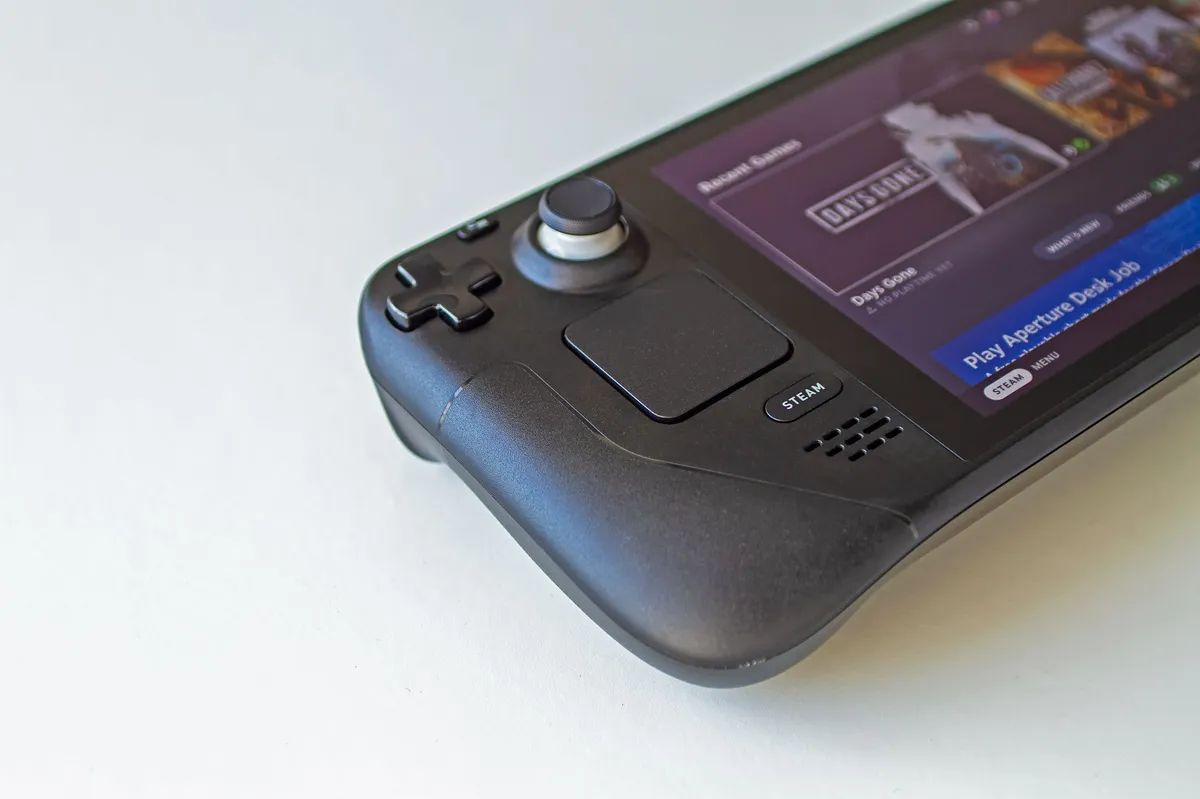
The Steam Deck, Valve's innovative handheld gaming device, is approaching its fifth birthday, and as the gaming landscape evolves, so does the need for optimization and performance enhancements. A recent patch to AMD's Linux drivers has sparked excitement among Steam Deck users, especially those who rely on the device for low-end gaming. The update aims to tackle performance hitches that can occur when the Steam Deck operates in Energy Performance Preference (EPP) mode, enhancing the gaming experience significantly.
As gaming enthusiasts know, performance is crucial, especially when it comes to maintaining smooth frame rates in demanding titles. This new patch addresses an inherent issue within the AMD driver when managing thread performance in EPP mode. With the promise of improved efficiency, the 32% increase in “1% low” frame rates marks a substantial leap in performance for users, potentially prolonging the lifespan of the device and keeping it relevant in a competitive market.
Understanding the Performance Challenges in EPP Mode
The Steam Deck, which leverages AMD's hardware architecture, is designed to offer a balance between performance and energy efficiency. However, when the device operates in EPP mode, it faces unique challenges. The EPP mode is intended to conserve energy by lowering performance targets when the device is not fully taxed. But as kernel coder David Vernet explains, this mode can misinterpret the behavior of busy threads. When these threads experience short sleep periods, the driver may reduce the performance target too aggressively, resulting in increased frame latency when the threads reactivate.
Impact on Frame Rates and Gaming Experience
In practical terms, this performance dip can manifest as stuttering and inconsistent frame rates, particularly in fast-paced gaming scenarios. The patch aims to mitigate these issues by intelligently managing core performance settings. The key lies in dynamically adjusting the performance mode based on real-time workload demands rather than sticking to a static performance target.
Key features of the patch include:- Dynamic performance adjustments to prevent excessive frame latency.
- Temporary elevation of core performance when busy threads are detected.
- Preservation of energy savings while optimizing low-end performance.
Technical Insights Behind the Patch
The technical underpinnings of Vernet’s patch involve intricate kernel-level adjustments. The objective is to monitor CPU cores for busy threads that could benefit from increased clock rates. When a busy thread is detected, the patch temporarily elevates that specific core to a “performance” setting, allowing it to operate at an optimal frequency until the workload diminishes. This approach avoids the pitfalls of permanently boosting the minimum performance target, which can inadvertently worsen low-end performance due to the complexities of CPU and GPU boost management.
Benchmarking the Improvements
Initial testing conducted by Vernet revealed promising results. In benchmarks using Civilization VI, the patch demonstrated a remarkable 31.8% improvement in the “1% low” frames per second (fps) measurement. Additionally, the p99 frame generation times — which indicate the speed at which 99% of frames are generated — improved by 4.1%. While the average fps remained unchanged, the focus on enhancing the slowest frames is likely to provide a smoother gaming experience, particularly during intense moments.
Future Implications for Steam Deck Users
The implications of this patch extend beyond mere performance boosts. For Steam Deck owners, this update represents a commitment to keeping their devices competitive in an ever-evolving gaming landscape. As new titles emerge that demand more from hardware, the ability to optimize an aging device like the Steam Deck is crucial.
Moreover, the integration of this patch into the mainline AMD Linux kernel will likely open doors for further enhancements. It signals that low-level coding updates can yield substantial benefits, even for hardware that may be nearing the end of its lifecycle.
Community and Developer Reactions
The gaming community's response to the patch has been overwhelmingly positive. Both casual gamers and serious enthusiasts recognize the significance of maintaining performance in handheld devices. With the patch improving low-end frame rates, developers are likely to take note and may even adjust their game designs to accommodate the enhanced capabilities of the Steam Deck.
Furthermore, the collaborative nature of the open-source community means that feedback from users will continue to shape future improvements. As more gamers voice their experiences, developers can refine their approaches to optimizing performance and ensuring that devices like the Steam Deck remain viable options for years to come.

Key Takeaways
- A new AMD Linux patch boosts low-end gaming performance on the Steam Deck.
- The patch addresses performance issues in Energy Performance Preference (EPP) mode.
- Initial benchmarks show up to a 31.8% improvement in “1% low” frame rates.
- This update signifies a commitment to ongoing optimization for aging hardware.
- Community feedback will continue to influence future enhancements.
Frequently Asked Questions
What is Energy Performance Preference (EPP) mode?
Energy Performance Preference (EPP) mode is a setting within AMD's drivers designed to optimize energy usage without sacrificing performance during lighter workloads. It aims to extend battery life and reduce power consumption, making it ideal for handheld devices like the Steam Deck. However, it can also lead to performance inconsistencies if not managed correctly.
How does the new patch improve performance?
The new patch enhances performance by dynamically adjusting individual CPU core settings based on workload demands. When busy threads are detected, the patch temporarily elevates the performance of those cores, reducing latency and improving frame rates, particularly in low-end gaming scenarios.
Will this patch affect all games on the Steam Deck?
While the patch primarily targets performance improvements in EPP mode, its effects may vary across different games. Titles that are sensitive to frame rate fluctuations, such as fast-paced shooters or action games, are likely to benefit the most. However, the overall gaming experience should improve regardless of the title.
What does this mean for the future of the Steam Deck?
The successful implementation of this patch signifies a positive outlook for the Steam Deck, suggesting that even aging hardware can receive meaningful updates to enhance performance. As the gaming landscape evolves, continued support and optimization efforts will be crucial for maintaining the relevance of the Steam Deck in a crowded market.
Comments
Harnessing AI to Decipher Ancient Languages: A New Frontier
As artificial intelligence (AI) technology advances, it holds promise for deciphering lost languages like Linear A and Etruscan. However, human insight remains essential in this complex endeavor.

Related articles

Popular in Developer Tools
- Why Greylock Partners Caps Fund Size in a Growing Industry
- Roblox Unleashes AI-Powered Game Creation for Mobile Users
- DeepSeek Launches Open Source Alternative to Claude Code, Ups API Pricing
- Cursor Launches Origin: A New Challenger to GitHub's Dominance
- Apple's Camera-Equipped AirPods: Innovation or Invasion?