OpenAI Launches Codex Micro: A Game-Changer in AI Interaction
OpenAI unveils its first branded hardware, the Codex Micro keyboard, designed for seamless interaction with AI agents. This innovative device may reshape user experience in AI tasks.
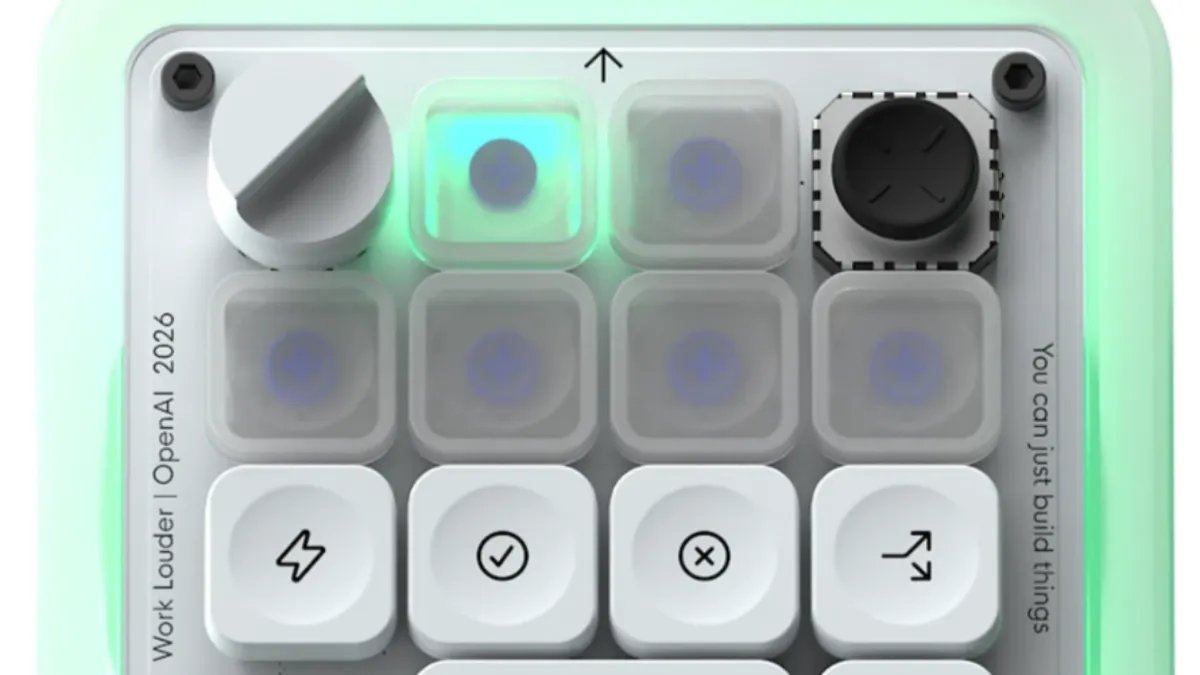
In a significant shift towards hardware development, OpenAI has launched its first branded device, the Codex Micro keyboard, priced at $230. This innovative keyboard, featuring RGB-lit keys, is designed specifically to enhance user interaction with Codex agents, making it easier to monitor and manage multiple AI threads simultaneously. As organizations increasingly leverage AI for various applications, tools like the Codex Micro may redefine how individuals engage with technology, offering a glimpse into a future where hardware and artificial intelligence converge.
The Codex Micro is not just another keyboard; it's a specialized tool that allows users to visually track the status of up to six Codex threads at a glance. With a vibrant array of color-coded keys, users can quickly discern whether their AI tasks are idle, processing, or completed. This kind of real-time feedback could prove invaluable for professionals who rely heavily on AI to streamline their workflows, especially in creative and technical fields.
Understanding the Features of the Codex Micro
At first glance, the Codex Micro resembles other customizable keyboards in the market, particularly Work Louder’s Creator Micro line. However, it sets itself apart with unique features tailored for Codex users:
- RGB Color-Coded Keys: The top two rows feature translucent keys that change colors based on the state of the Codex threads. White signifies idle, blue indicates processing, green means tasks are complete, amber highlights when human intervention is needed, and red alerts users to errors.
- Customizable Functions: Below the frosted keys are six additional buttons that can be mapped to common Codex tasks. These include options for accepting changes, branching threads, and a push-to-talk audio prompt. With 32 interchangeable keycaps, users can personalize their setup to fit their preferences.
- Multi-Layer Functionality: Beyond the Codex-specific functions, users can program the keyboard to cycle through five additional function layers, offering shortcuts for general computing tasks.

Market Implications: Why This Device Matters
The launch of the Codex Micro is indicative of OpenAI's broader strategy to expand its influence beyond software applications into the realm of hardware. This move aligns with a growing trend in the tech industry where companies are integrating hardware with their software solutions to provide a more cohesive user experience.
For instance, as businesses increasingly adopt AI-driven solutions, the need for intuitive interaction tools becomes paramount. The Codex Micro could facilitate smoother workflows, enabling users to manage AI tasks without the need for constant screen monitoring. This is particularly beneficial in environments where multitasking is the norm, such as in software development, digital marketing, or content creation.
Challenges and Future Prospects
Despite the excitement surrounding the Codex Micro, it is not without its challenges. The device is marketed as a limited-run collaboration, which raises questions about its long-term availability. The fact that orders are accepted only while supplies last suggests a cautious approach from OpenAI, potentially as a response to ongoing development hurdles in their hardware initiatives.
Furthermore, OpenAI's partnership with former Apple design chief Jony Ive, which aims to produce innovative hardware, has faced reported technical challenges that could delay future products. Additionally, Apple's recent legal actions concerning alleged trade secret theft by a former employee could add further complications to OpenAI's hardware ambitions.

OpenAI’s Vision for the Future
With the Codex Micro, OpenAI is positioning itself to play a pivotal role in shaping the future of human-computer interaction. By incorporating thoughtful design elements that prioritize user experience, the company is signaling its intent to not only lead in AI software but also to carve out a space in the hardware landscape.
The potential applications of the Codex Micro extend beyond individual use; it could serve as a critical tool for teams and organizations looking to integrate AI more effectively into their operations. As AI continues to evolve, the demand for specialized tools that facilitate interaction with these technologies will likely increase.
Key Takeaways
- The Codex Micro is OpenAI's first branded hardware, priced at $230.
- Features include RGB color-coded keys for real-time feedback on AI tasks.
- The device offers customizable buttons for Codex tasks and general computing shortcuts.
- Its launch highlights OpenAI's intent to expand from software into hardware.
- Long-term availability remains uncertain due to its limited-run nature.
Frequently Asked Questions
What makes the Codex Micro different from other keyboards?
The Codex Micro stands out due to its RGB-lit keys that provide real-time feedback on the status of Codex threads. This feature enables users to monitor multiple AI tasks at a glance, a significant advantage for those who rely on AI for their workflows. Additionally, the keyboard offers customizable functions tailored specifically for Codex, making it a specialized tool for users heavily engaged with AI applications.
Is the Codex Micro suitable for casual users?
While the Codex Micro is designed with professionals in mind, its intuitive features could appeal to casual users as well, particularly those interested in exploring AI capabilities. However, the keyboard’s specialized functions and pricing may not justify the investment for users who do not frequently engage with Codex or similar AI technologies.
How does OpenAI plan to expand its hardware offerings?
OpenAI's acquisition of Jony Ive's design firm indicates a commitment to developing innovative hardware solutions that complement its software offerings. Future products may include handheld devices designed to interact with AI in novel ways. However, ongoing technical challenges and legal disputes could impact the timeline for these developments.
Can I order the Codex Micro now, and when will it ship?
Yes, the Codex Micro is currently available for order, with shipments expected to be dispatched shortly after purchase. However, as it is a limited-run product, potential buyers should act quickly to secure their device before supplies run out.
Comments
Aina's Ambitious Leap: $5.5 Million to Control AI Agents Through Hardware
Aina, a startup co-founded by former Ultrahuman VP Apoorv Shankar, has raised $5.5 million to develop innovative devices designed to control AI agents. This article explores the implications of their first product, the Dune macro keyboard, and the future of human-computer interaction.

Related articles
Popular in Developer Tools
- Why Greylock Partners Caps Fund Size in a Growing Industry
- Roblox Unleashes AI-Powered Game Creation for Mobile Users
- DeepSeek Launches Open Source Alternative to Claude Code, Ups API Pricing
- Cursor Launches Origin: A New Challenger to GitHub's Dominance
- Apple's Camera-Equipped AirPods: Innovation or Invasion?