Revolutionizing Surgery: Humanoid Robots Perform Historic Operations
In a groundbreaking experiment, humanoid robots have successfully performed surgeries under the control of human surgeons. This advancement has the potential to transform surgical practices, especially in resource-limited settings.
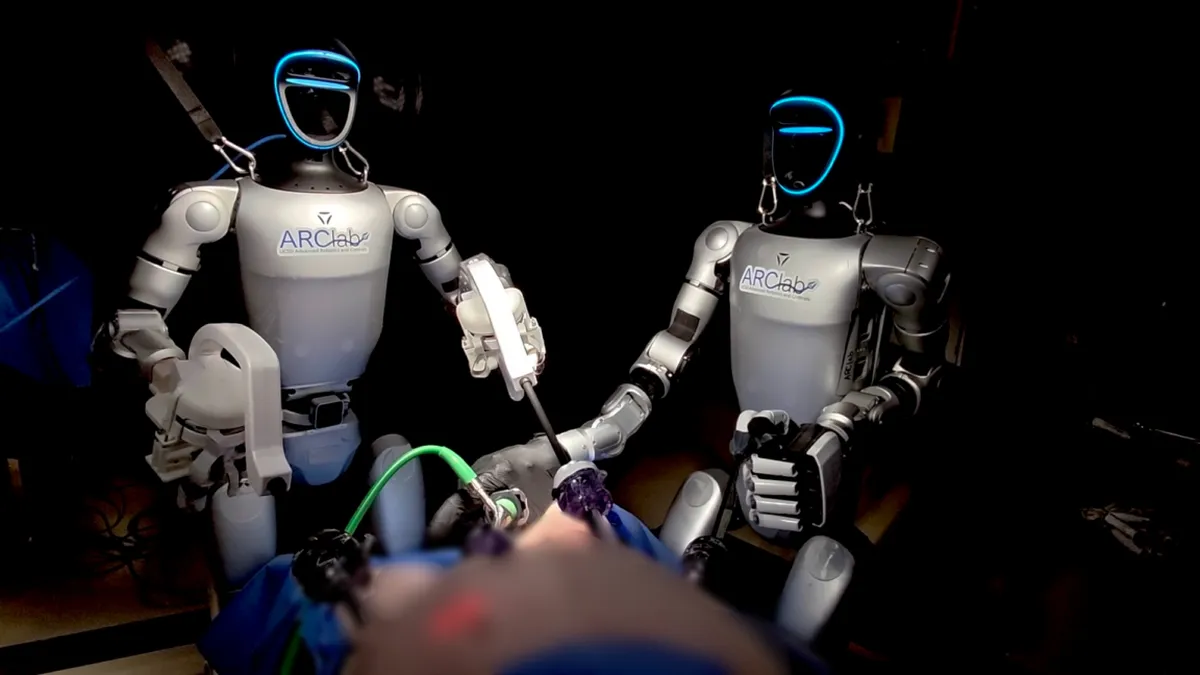
In a remarkable milestone for the medical field, humanoid robots have successfully conducted surgical procedures on live pigs, marking a significant advancement in robotic-assisted surgery. This groundbreaking experiment, detailed in a recent publication in the journal Nature, showcases a new paradigm in the collaboration between human surgeons and robotic technology. Unlike fully autonomous robots, these humanoid machines were operated remotely by skilled surgeons, highlighting the potential for enhanced surgical capabilities without completely replacing human expertise.
The Technology Behind The Surgery
The surgeries conducted involved the removal of gallbladders from living pigs, a procedure that is typically complex and requires precision. The humanoid robots, designed for teleoperation, allow surgeons to manipulate their movements from a distance, combining the dexterity of robotic arms with the intuitive decision-making of human operators. This method offers a glimpse into the future of surgical practices, particularly as healthcare continues to evolve with technological advancements.
Potential Benefits of Humanoid Robotics in Surgery
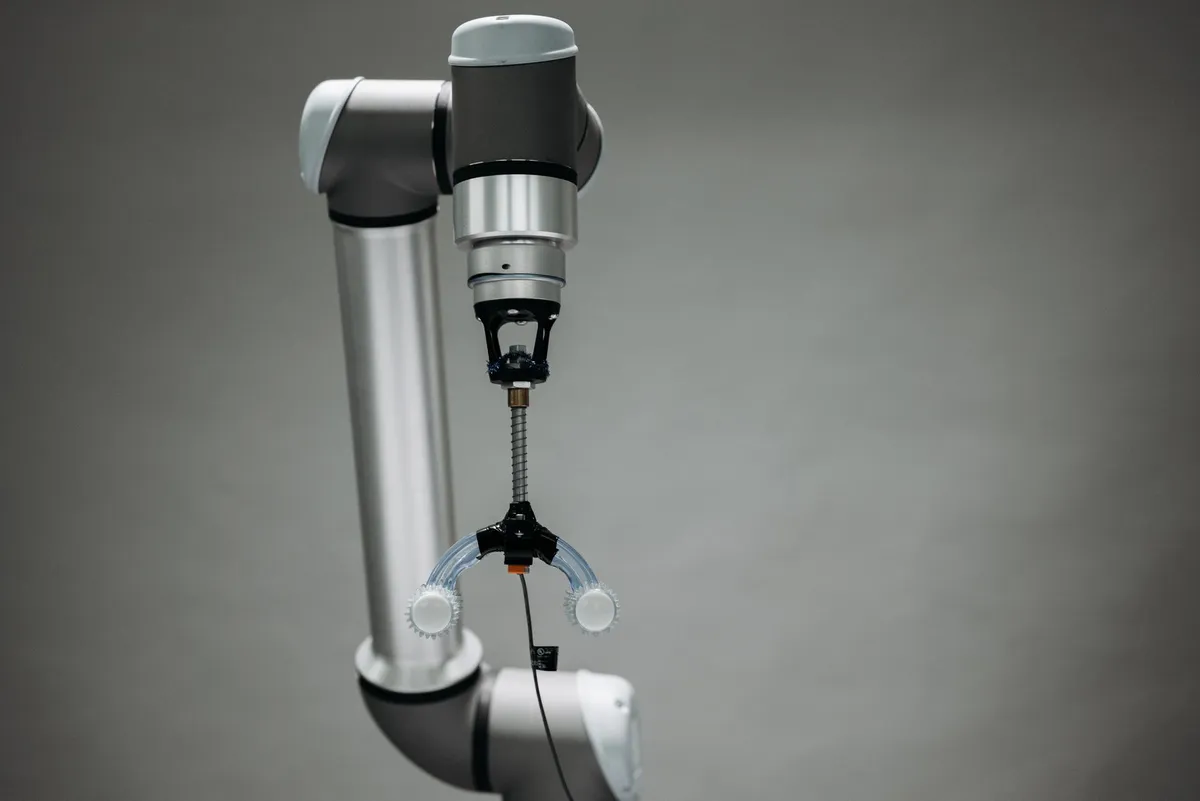
One of the most significant advantages of using humanoid robots in surgical procedures is their potential to reduce costs and increase accessibility. According to Shanglei Liu, an assistant professor of surgery at the University of California San Diego School of Medicine, these robots occupy a fraction of the space required by traditional surgical systems and can be deployed in various settings. This adaptability could be particularly beneficial in:
- Rural Areas: Hospitals in remote locations often lack access to advanced surgical technology. Humanoid robots could bridge this gap, providing high-quality surgical care where it's most needed.
- Military Settings: On the battlefield, rapid access to surgical interventions can save lives. Teleoperated robots could facilitate emergency procedures without the need for extensive surgical infrastructure.
- Space Missions: As humanity ventures further into space, the ability to perform surgical procedures remotely could be invaluable for astronauts on long missions.
Challenges and Considerations
While the potential benefits of humanoid robotic surgery are substantial, there are several challenges and considerations that must be addressed before this technology can be widely implemented. Safety and reliability are paramount; rigorous testing and validation are necessary to ensure that these robots can perform complex surgeries without complications. Moreover, regulatory hurdles will need to be navigated, as medical devices are subject to strict approval processes by health authorities.
Another important factor is the training and integration of surgeons with these robotic systems. While the technology is designed to enhance surgical capabilities, surgeons will require specialized training to effectively utilize these robots, ensuring that human expertise remains at the forefront of patient care.

Future Implications for Surgical Practices
The successful trials of humanoid robots in surgical settings could signal a transformative shift in how surgeries are performed globally. As the healthcare ecosystem evolves, the integration of robotic assistance may lead to:
- Increased Efficiency: Surgeries performed with robotic assistance may result in shorter operation times and quicker recovery for patients.
- Broader Access to Care: Smaller hospitals and clinics could offer advanced surgical options without the hefty investment typically associated with robotic systems.
- Innovative Surgical Techniques: The combination of human skill and robotic precision could pave the way for new surgical techniques that were previously unattainable.
Key Takeaways
- The recent surgery on live pigs using humanoid robots demonstrates a new collaboration between human surgeons and robotic technology.
- Humanoid robots can potentially reduce surgical costs and expand access to advanced medical care in underserved areas.
- Challenges such as safety, training, and regulatory approval remain critical before widespread adoption.
- This technology could revolutionize surgical practices, enhancing efficiency and patient outcomes.
Frequently Asked Questions
What are humanoid robots in surgery?
Humanoid robots in surgery are robotic systems designed to assist or perform surgical procedures under the control of human surgeons. These robots mimic human movements and can be teleoperated, allowing surgeons to perform surgeries remotely while maintaining high precision and control.
How could humanoid robots improve access to healthcare?
Humanoid robots can improve access to healthcare by being deployed in locations that lack advanced surgical facilities, such as rural areas or military environments. Their compact design and lower cost compared to traditional surgical robots make them accessible to a wider range of healthcare providers, potentially delivering essential surgical care to underserved populations.
What are the main challenges facing the use of humanoid robots in surgery?
The main challenges include ensuring safety and reliability through rigorous testing, navigating regulatory approval processes, and providing adequate training for surgeons to effectively use the technology. Additionally, there is a need for ongoing research to validate the benefits of humanoid robotic surgery in various clinical settings.

Comments
Meta's Muse Spark 1.1: A New Contender in AI Coding Tools
Meta has launched Muse Spark 1.1, a multimodal AI model designed for coding tasks, entering a competitive market dominated by established players like OpenAI and Anthropic. With competitive pricing and advanced capabilities, Muse Spark aims to meet the growing demand for automation in enterprise environments.

Related articles
Popular in Developer Tools
- Why Greylock Partners Caps Fund Size in a Growing Industry
- Roblox Unleashes AI-Powered Game Creation for Mobile Users
- DeepSeek Launches Open Source Alternative to Claude Code, Ups API Pricing
- Cursor Launches Origin: A New Challenger to GitHub's Dominance
- Apple's Camera-Equipped AirPods: Innovation or Invasion?