Meta's Muse Spark 1.1: A New Contender in AI Coding Tools
Meta has launched Muse Spark 1.1, a multimodal AI model designed for coding tasks, entering a competitive market dominated by established players like OpenAI and Anthropic. With competitive pricing and advanced capabilities, Muse Spark aims to meet the growing demand for automation in enterprise environments.

In a bold move to capture a share of the rapidly evolving AI landscape, Meta has publicly launched Muse Spark 1.1, an advanced multimodal AI model aimed at revolutionizing coding processes. Unveiled on July 9, 2026, during a week filled with significant AI announcements, Muse Spark 1.1 represents Meta's strategic response to the burgeoning demand for intelligent automation tools within enterprise environments. This new model is designed not just to assist with coding but to enhance productivity through multistep reasoning, complex process management, and robust digital workflows.
With its entry into the AI coding arena, Meta finds itself in a crowded marketplace, competing against established titans like OpenAI and Anthropic. While these competitors have been offering similar capabilities for some time, Meta's Muse Spark 1.1 distinguishes itself with its pricing strategy and a promise of superior performance in tasks that require intricate planning and orchestration across various applications and services.
Understanding Muse Spark 1.1
Muse Spark 1.1 is designed to provide enterprises with a powerful tool for automating coding tasks, including bug fixes and large-scale code migrations. The model's capabilities are intended to support developers by streamlining workflows and enhancing collaboration between different software applications. Meta's focus on agentic coding—where the AI acts as a proactive agent in the coding process—positions Muse Spark as a significant player in the market.
Key Features of Muse Spark 1.1
- Multimodal Capabilities: Muse Spark can process and generate multiple forms of data, including code, text, and visual elements, making it versatile for various development scenarios.
- Complex Process Management: The AI model excels in managing intricate workflows, allowing for seamless integration of various digital tools and applications.
- Cost-Effective Pricing: At $1.25 per million input tokens and $4.25 per million output tokens, Muse Spark 1.1 offers competitive pricing that is slightly above Anthropic's Claude Haiku 4.5 and OpenAI's GPT-5.6 Luna, appealing to budget-conscious enterprises.
- Enhanced Agentic Performance: The model is particularly adept at performing tasks that require planning and execution across multiple platforms.

The Competitive Landscape
The launch of Muse Spark 1.1 comes at a time when the AI coding tools market is both promising and highly competitive. Companies like OpenAI and Anthropic have established themselves as leaders in this space, providing robust AI solutions that cater to a variety of coding and development needs. OpenAI’s GPT-5.6 Luna and Anthropic's Claude Haiku 4.5 have set high standards for performance, usability, and integration capabilities.
Meta's entry into this market raises questions about its potential to disrupt established players. While Muse Spark 1.1 is not the first of its kind, its unique features and pricing model may attract enterprises looking to optimize their development processes without incurring exorbitant costs.
The Importance of Cost in AI Adoption
One of the critical factors influencing enterprise adoption of AI tools is cost. As organizations increasingly turn to AI to automate tedious coding tasks, the financial implications of these technologies become paramount. Meta's competitive pricing strategy could provide it with an edge, especially for small to medium-sized enterprises that may find the costs of existing solutions prohibitive.
Implications for Developers and Enterprises
As Meta positions Muse Spark 1.1 as a strong alternative in the AI coding landscape, developers and enterprises face several implications. The introduction of a new player like Meta can encourage innovation across the industry, leading to improved products and services from all competitors. It also signals a shift towards more accessible and affordable AI solutions, which could democratize the use of advanced AI tools in software development.
Potential Impact on Workflows
The automation of coding tasks through AI models like Muse Spark can significantly impact development workflows. By handling repetitive tasks, AI allows developers to focus on more strategic aspects of their projects. This shift not only increases productivity but also enhances job satisfaction, as developers can engage in more creative and high-value work.

Meta's Broader AI Strategy
The launch of Muse Spark 1.1 is part of a larger strategy by Meta to solidify its position within the AI landscape. CEO Mark Zuckerberg's recent engagement with the public—including a rare post on X (formerly Twitter)—highlights the importance of this release for the company. His assertion that Muse Spark is a “strong agentic and coding model at a very low price” indicates Meta’s commitment to innovation in AI.
Furthermore, Meta's recent introduction of other AI models, such as Muse Image, suggests a broader push to diversify its AI offerings. This multi-faceted approach not only enhances Meta's capabilities but also positions the company as a formidable competitor in various AI sectors.

Key Takeaways
- Meta's Muse Spark 1.1 offers advanced AI capabilities for coding tasks, entering a competitive market.
- The pricing model is designed to be competitive, catering to budget-conscious enterprises.
- Enhanced automation of coding processes can improve developer productivity and job satisfaction.
- Meta's broader AI strategy includes multiple product launches, emphasizing its commitment to innovation.
Frequently Asked Questions
What is Muse Spark 1.1, and what are its primary features?
Muse Spark 1.1 is a multimodal AI model developed by Meta, designed to assist with coding tasks by automating processes such as bug fixing and code migrations. Its primary features include the ability to handle complex workflows, a cost-effective pricing structure, and advanced agentic performance in managing coding tasks across various applications.
How does Muse Spark 1.1 compare to other AI coding tools?
Muse Spark 1.1 is positioned as a competitive alternative to existing AI coding tools like OpenAI’s GPT-5.6 Luna and Anthropic’s Claude Haiku 4.5. While it enters the market later than these competitors, its unique features and pricing may attract users looking for an affordable solution that still offers high performance in coding tasks.
What are the implications of Muse Spark 1.1 for developers?
The introduction of Muse Spark 1.1 offers developers the opportunity to automate repetitive coding tasks, allowing them to concentrate on more complex and strategic aspects of their work. This shift can lead to increased productivity and job satisfaction, as developers can engage in more meaningful projects rather than being bogged down by mundane tasks.
What can we expect from Meta in the future regarding AI models?
Meta's recent announcements suggest a robust pipeline of upcoming AI products. CEO Mark Zuckerberg indicated that more models are on the way, hinting at ongoing innovation and diversification in Meta's AI offerings. This could include enhancements to existing models or entirely new solutions that address various needs within the tech industry.
Comments
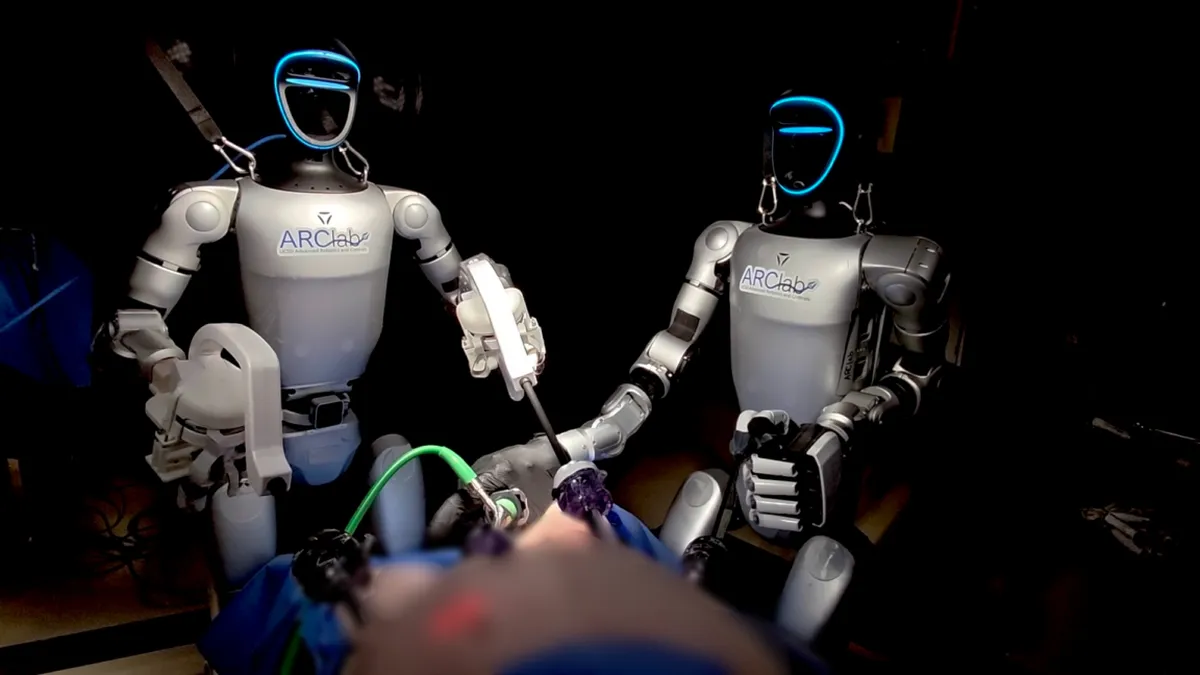
Revolutionizing Surgery: Humanoid Robots Perform Historic Operations
In a groundbreaking experiment, humanoid robots have successfully performed surgeries under the control of human surgeons. This advancement has the potential to transform surgical practices, especially in resource-limited settings.
Related articles
Popular in Developer Tools
- Why Greylock Partners Caps Fund Size in a Growing Industry
- Roblox Unleashes AI-Powered Game Creation for Mobile Users
- DeepSeek Launches Open Source Alternative to Claude Code, Ups API Pricing
- Cursor Launches Origin: A New Challenger to GitHub's Dominance
- Apple's Camera-Equipped AirPods: Innovation or Invasion?