Unlocking the Original Meta Quest: A New Bootloader Revolutionizes VR Tinkering
A new bootloader enables full control of the original Meta Quest, allowing users to bypass Meta's services and explore new possibilities. This development opens up the device for enthusiasts and developers alike.
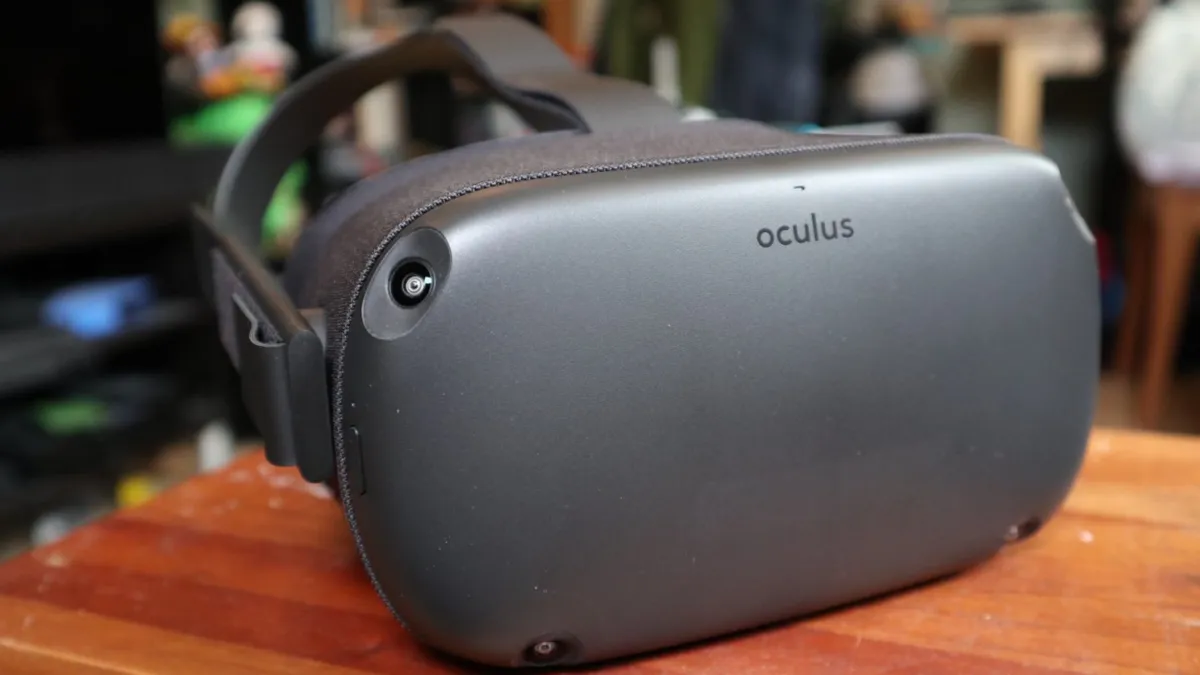
The world of virtual reality (VR) has seen rapid advancements, with companies like Meta (formerly known as Oculus) pushing the boundaries of immersive technology. However, not all devices receive equal support from their manufacturers, and some, like the original Meta Quest headset, have fallen by the wayside. Launched in 2019, the Quest was a groundbreaking product that allowed users to experience untethered VR without the need for a powerful PC. Yet, by 2023, Meta officially ceased support for the original Quest, choosing to focus on the more popular Quest 2 and Quest 3 models. But as the company turned its back on the original, a group of dedicated tinkerers and developers stepped in to breathe new life into the device.
Recently, a new bootloader was released as part of the QuestStack project, granting users full control over their original Quest hardware. This development is a game-changer, as it allows users to sidestep Meta's servers and services entirely. For VR enthusiasts, this means that the original Quest can once again be a valuable tool for exploration and innovation in the virtual realm.
Understanding the Significance of the Bootloader
At its core, a bootloader is a critical component of any operating system, responsible for loading the operating system into memory when a device starts up. In the case of the Meta Quest, the new bootloader developed by the QuestStack project unlocks the device’s full potential, allowing users to access root-level controls that were previously restricted by Meta. This newfound freedom opens the door to a plethora of possibilities for developers and hobbyists.
With the ability to sideload apps without the need for a Meta Developer account, users can now install applications that enhance their VR experience without relying on the official Meta ecosystem. This is particularly significant given that Meta has indicated that it may eventually shut down servers that facilitate the initial setup and login for the Quest. By bypassing these processes, users ensure that their headsets remain operational long into the future, regardless of Meta's business decisions.
The Technical Mechanics Behind QuestStack
The QuestStack project integrates previously known vulnerabilities in the original Quest’s Android fastboot process into a privilege escalation chain, which ultimately leads to root access on the device. This technical maneuverability is essential for users looking to modify their hardware and software.
Key Features Enabled by the Bootloader
- Full Control Over Hardware: Users can now access the full capabilities of the original Quest hardware, which includes not only sideloading apps but also potential performance enhancements.
- Increased Refresh Rate: Historically, the Quest was limited to a 72 Hz refresh rate, but with root access, users may be able to unlock a higher 90 Hz refresh rate, enhancing visual fluidity in VR applications.
- Third-Party Controller Compatibility: Developers are already working on projects to enable compatibility with other VR controllers, further expanding the functionality of the original Quest.
- Independence from Meta: This bootloader allows users to bypass Meta's servers entirely, ensuring that the Quest can continue to function even if Meta decides to discontinue its support.
The Implications for VR Enthusiasts
The arrival of this bootloader has significant implications for VR enthusiasts and developers. Since the original Quest is no longer officially supported by Meta, many users may have felt abandoned. However, the community-driven efforts to unlock the device's potential signify a robust and passionate user base that refuses to let their hardware become obsolete.
Moreover, this development could inspire a new wave of innovation within the VR community. Tinkerers can experiment with custom applications, game modifications, and even new user interfaces that could reshape how the headset is used. For example, developers can create unique games or experiences that leverage the original Quest’s hardware beyond its intended use, potentially leading to groundbreaking applications that are not constrained by Meta’s guidelines.

Comparing the Quest to Its Successors
While the original Meta Quest may have been overshadowed by its successors, such as the Quest 2 and Quest 3, the new bootloader revitalizes interest in the older model. The Quest 2, released in late 2020, built upon the success of the original, offering enhanced graphics capabilities and a more comfortable design. The Quest 3 took this a step further, focusing on improved performance and higher resolution displays.
Despite these advancements, the original Quest still holds a unique place in the market, particularly for those who appreciate the hands-on approach to technology. The availability of the new bootloader positions the original Quest as not just a consumer device but as a platform for experimentation and development.
Looking Ahead: The Future of VR Tinkering
The potential for the original Meta Quest following the release of this bootloader is vast. While the project is currently focused on unlocking the device's capabilities, it serves as a reminder of the power of community-driven innovation in technology.
Looking ahead, it’s possible that similar exploits could emerge for newer models like the Quest 2, although caution is warranted. As one developer pointed out, the risks of bricking a device—rendering it inoperable—may outweigh the benefits of unlocking the bootloader on newer hardware. Nevertheless, the enthusiasm surrounding the original Quest could pave the way for a resurgence of interest in VR tinkering as a whole.
Key Takeaways
- The new bootloader for the original Meta Quest allows users full control over the device.
- Sideloading apps is now possible without a Meta Developer account.
- The bootloader could enable higher refresh rates and third-party controller compatibility.
- This development emphasizes the importance of community-driven innovation in tech.
- Future explorations may lead to similar exploits for newer VR models.
Frequently Asked Questions
What does the new bootloader do for the original Meta Quest?
The new bootloader unlocks the original Meta Quest by providing users with root access to the device. This allows them to sideload apps, bypass Meta's servers, and explore features that were previously restricted, such as higher refresh rates and compatibility with third-party controllers.
Is it safe to use the new bootloader?
While the bootloader offers exciting possibilities for VR enthusiasts, there are inherent risks involved in modifying device firmware. Users should be aware that attempting to unlock or modify their Quest could lead to device bricking, making it inoperable. It is advisable to proceed with caution and follow guidelines provided by the developer community.
Can I still use my original Meta Quest without the bootloader?
Yes, the original Meta Quest can still function as intended without the bootloader; however, users will be limited to the official apps and services provided by Meta. The bootloader enhances the device’s capabilities and offers a way to explore additional software and features that may not be available through Meta’s ecosystem.
What are the potential future developments for the QuestStack project?
The QuestStack project continues to evolve, with developers exploring various ways to enhance the original Quest's functionality. Future developments could include enabling new hardware features, creating custom applications, and improving compatibility with other VR devices. The community's enthusiasm for tinkering with the hardware suggests that there may be continuous innovations on the horizon.
Comments
Google’s Motion Assist Dots: A Game-Changer for Motion Sickness on Android
Google's latest feature, Motion Assist, aims to alleviate motion sickness for Android users, especially while using their phones in vehicles. This article explores how it works, its customizable features, and its rollout status.

Related articles

Popular in Developer Tools
- Why Greylock Partners Caps Fund Size in a Growing Industry
- Roblox Unleashes AI-Powered Game Creation for Mobile Users
- DeepSeek Launches Open Source Alternative to Claude Code, Ups API Pricing
- Cursor Launches Origin: A New Challenger to GitHub's Dominance
- Apple's Camera-Equipped AirPods: Innovation or Invasion?