Google Pixel 11 Series Review: Is the Magic Fading?
The Google Pixel 11 series impresses with sleek design and robust software, but a lack of significant hardware innovation raises questions about its future appeal.
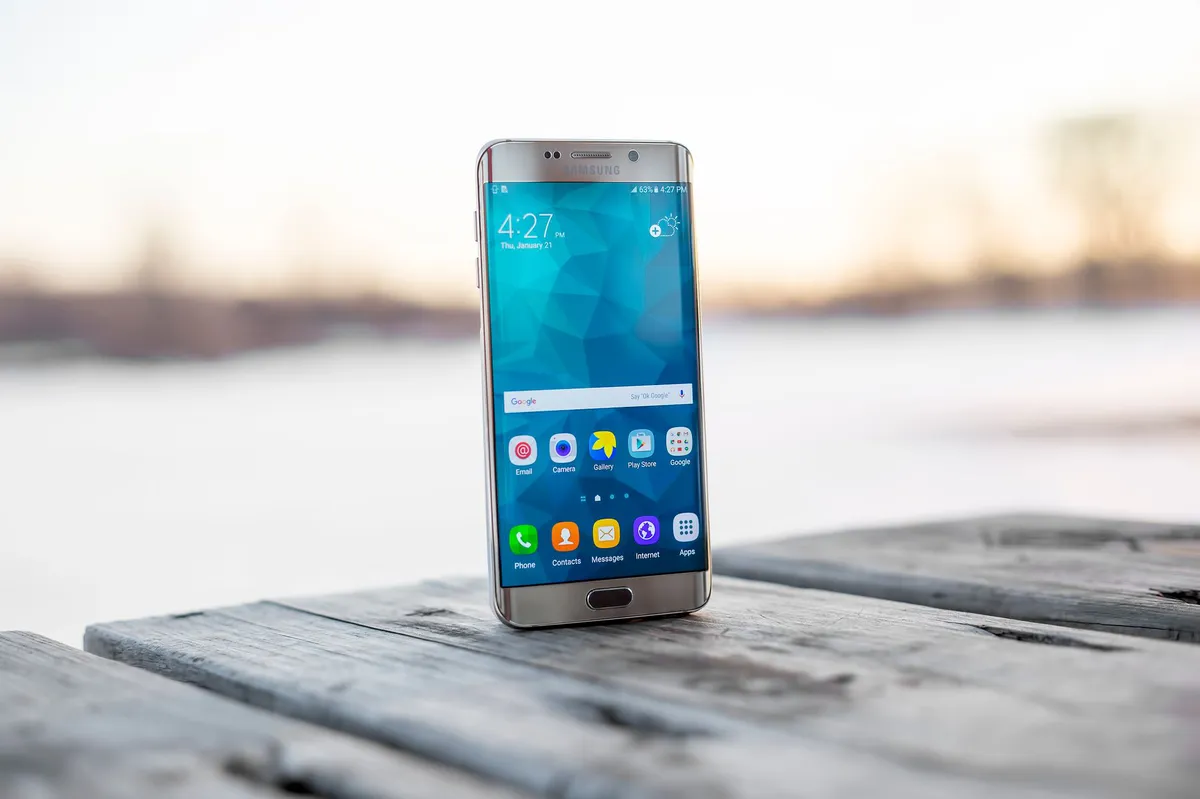
The smartphone landscape is ever-evolving, and yet, with the release of the Google Pixel 11 series, one might wonder if the magic that once defined Google’s flagship phones is fading into the background. Google has long been recognized for its forward-thinking design and innovative software, but the Pixel 11 lineup presents a curious case: while it offers solid performance and a familiar aesthetic, it seems to tread cautiously rather than boldly, leaving enthusiasts questioning whether the brand is still pushing the envelope.
In a market increasingly dominated by fewer players, Google’s approach to its Pixel series has transitioned from offering niche, developer-friendly devices to creating polished smartphones aimed at the broader consumer market. The Pixel 11 series, which includes the Pixel 11, Pixel 11 Pro, Pixel 11 Pro XL, and the Pixel 11 Pro Fold, embodies this evolution yet raises concerns about its ability to stand out in a saturated market.
A Familiar Yet Elegant Design
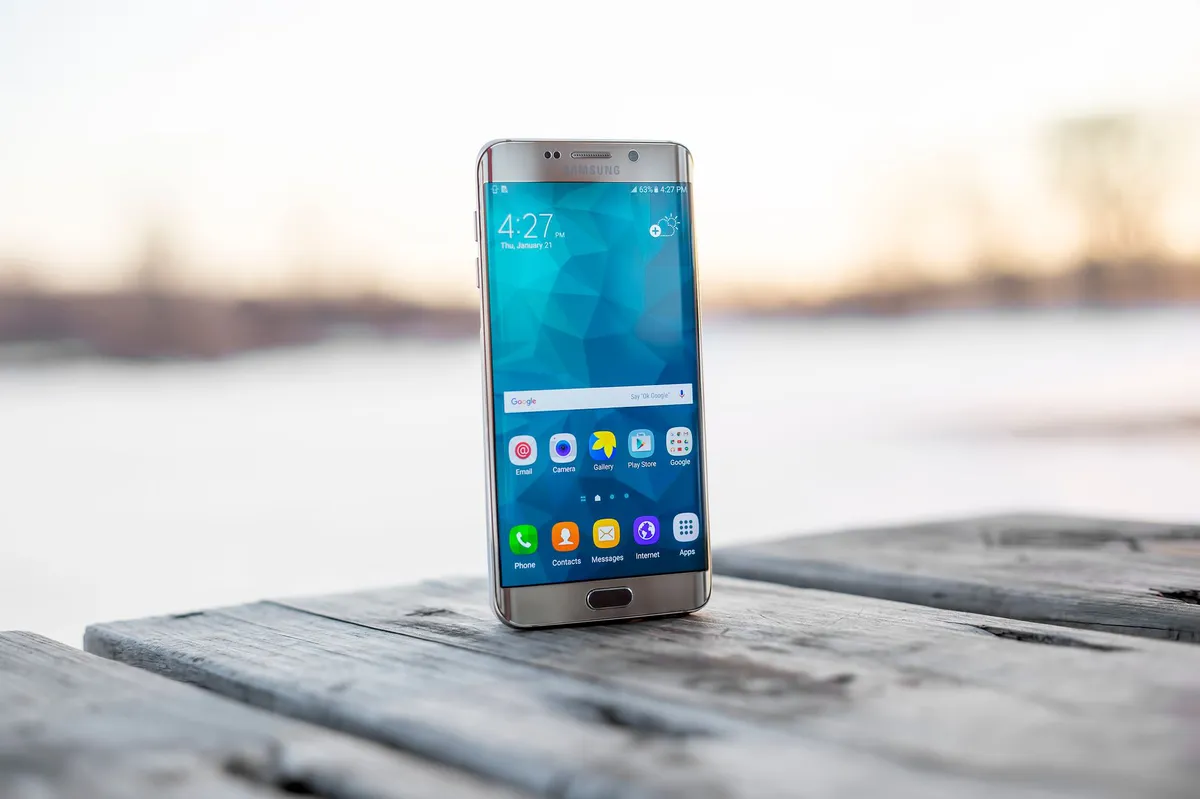
At first glance, the Pixel 11 series exudes a sense of elegance and sophistication. The lineup's design language remains consistent with its predecessors, featuring an aluminum and glass sandwich construction that is both visually appealing and tactilely satisfying. The base Pixel 11 model, priced at $899, is the only offering under the $1,000 mark, while the Pixel 11 Pro series ranges from $1,099 to $1,899 for the Fold variant. Despite the attractive aesthetics, the design lacks significant innovation, as the phones have barely changed in dimensions, and many features feel like a repetition of previous models.
Specifications Overview
- Pixel 11: 6.3-inch OLED display, 48 MP wide camera
- Pixel 11 Pro: 6.3-inch LTPO OLED, 50 MP wide camera, 1-120Hz refresh rate
- Pixel 11 Pro XL: 6.8-inch LTPO OLED, 50 MP wide camera
- Pixel 11 Pro Fold: 8-inch internal OLED, 48 MP wide camera
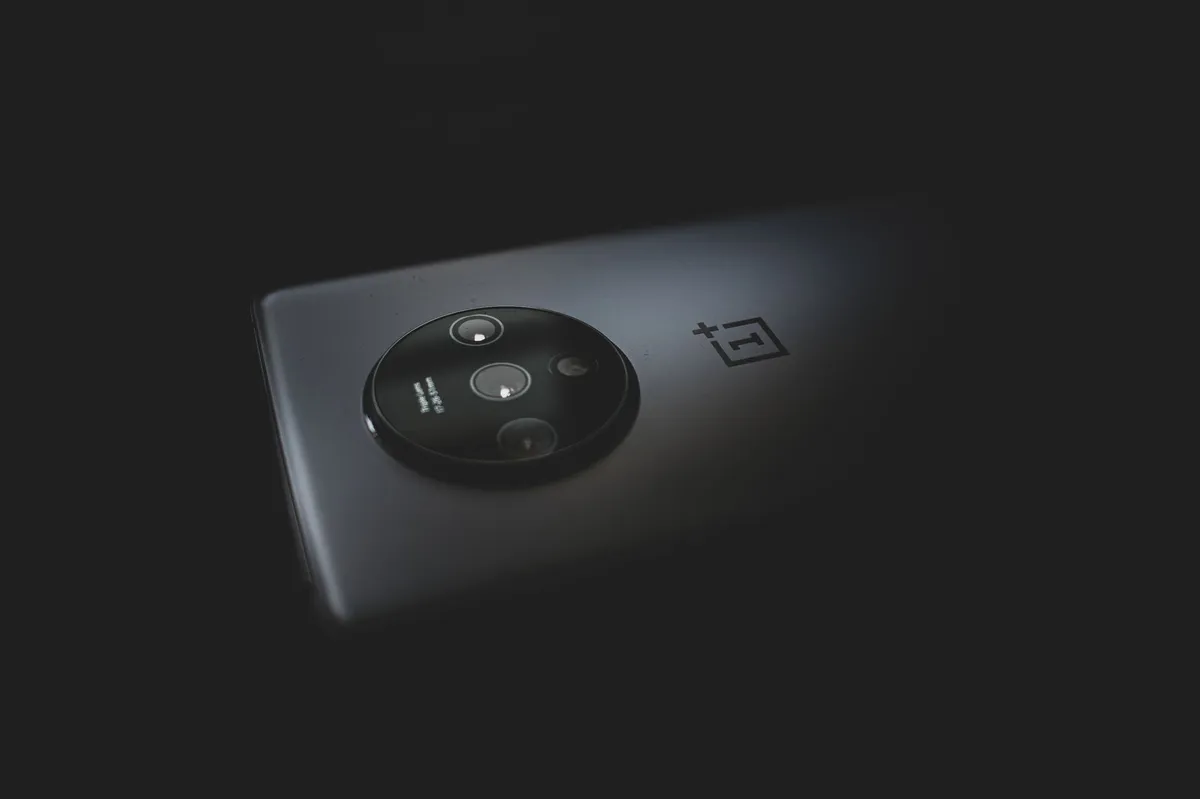
While the Pixel 11 phones are undeniably solid, their incremental improvements may leave some users feeling a sense of déjà vu. The Pixel 11 Pro XL, heralded as the best of the flat models, features a taller camera bar that centers the cameras on the back, enhancing stability when resting on surfaces. However, the Pixel 11 Pro Fold's off-center camera module compromises its stability, a design flaw that detracts from its usability.
Display and Durability
The display technology employed in the Pixel 11 series is commendable, with Google boasting a significant increase in scratch resistance. The standard Pixel 11 displays a peak brightness of 3,000 nits, while the Pro models reach up to 3,600 nits. Such brightness levels ensure excellent outdoor visibility, a critical feature for today’s smartphone users. However, the reflectiveness of the screens, especially on the foldable model, raises concerns about glare in bright conditions.
Durability remains a strong point for the Pixel 11 Pro Fold, which is rated IP68 for water and dust protection. Google has also introduced a new glass fiber composite back panel, claiming it is nearly impossible to crack. Nonetheless, the weight and bulkiness of the foldable device compared to competitors like Samsung’s Galaxy Z Fold 8 Ultra could discourage potential buyers seeking a lightweight alternative.
The Software Experience
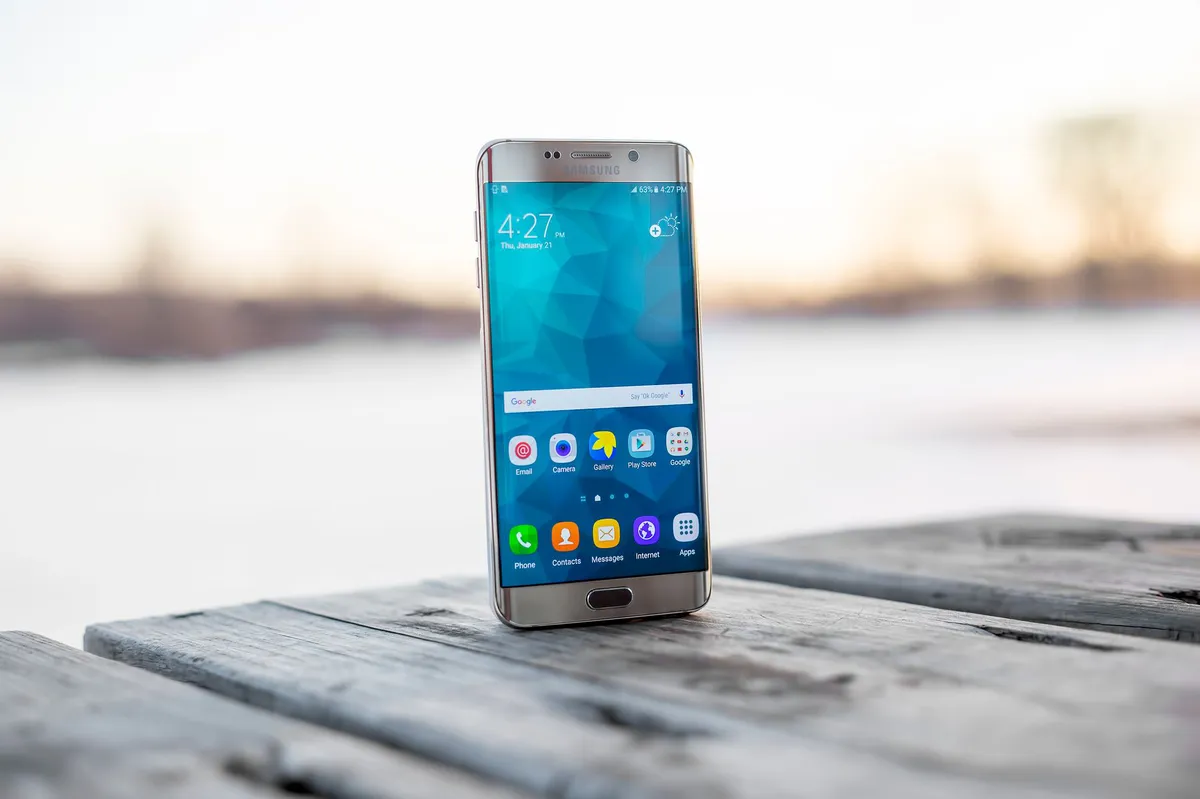
One of the hallmark features of the Pixel series has always been its software, and the Pixel 11 is no exception. Running Android 17, the Pixel 11 series offers a clean interface devoid of unnecessary bloatware, allowing users to seamlessly integrate Google’s suite of applications. The design aesthetic is cohesive, providing a user-friendly experience that even rivals Apple's iOS.
AI Integration
AI features are woven into the fabric of the Pixel 11 experience, with Google’s Gemini AI enhancing various functionalities across the device. While these features can be beneficial, users have the option to minimize their interaction with AI-driven prompts, maintaining a balance between technological advancement and user preference.
However, not all new features have been well received. The introduction of the HiLight module, a ring of LEDs for notifications and alerts, has been criticized for its limited functionality. Currently, it only activates when the phone is face down, and its capabilities seem insufficient compared to traditional notification systems. Users may find themselves wishing for more robust features that enhance their experience rather than detract from it.
Market Position and Future Outlook
The Pixel 11 series arrives at a time when smartphone competition is fierce, particularly against heavyweights like Apple and Samsung. While Google has made strides in refining its products, it faces a dual challenge: competing not only with rivals but also with its own legacy products. As the Pixel series evolves, maintaining consumer interest requires more than just aesthetic updates. Users crave innovative features that push the boundaries of what a smartphone can do.
As we look ahead, it’s essential for Google to rethink its strategy. The Pixel 11 series serves as a reminder that while familiarity can be comforting, it can also lead to stagnation. New and exciting features must be introduced, or the brand risks losing its once-loyal following.
Key Takeaways
- The Pixel 11 series features a familiar design with incremental improvements.
- Display quality is impressive, with high brightness and improved scratch resistance.
- AI integration enhances user experience, but some new features have underwhelmed.
- Google must innovate to maintain competitiveness in a crowded market.
- Durability and water resistance are strong points for the Pixel 11 Pro Fold.
Frequently Asked Questions
What are the main differences between the Pixel 11 models?
The Pixel 11 series consists of several models, including the base Pixel 11, the Pixel 11 Pro, the Pixel 11 Pro XL, and the Pixel 11 Pro Fold. The differences primarily lie in screen size, camera specifications, battery capacity, and additional features like wireless charging capabilities. For example, the Pixel 11 Pro XL offers a larger display and enhanced camera options compared to the base model.
Is the Pixel 11 Pro Fold worth the extra cost?
Whether the Pixel 11 Pro Fold is worth the higher price tag depends on user preferences. It boasts a unique foldable design and additional features that may appeal to tech enthusiasts. However, its bulkier build and weight compared to traditional smartphones may deter users looking for a lightweight device. Ultimately, it boils down to individual usage patterns and priorities.
How does the camera performance compare to other brands?
The Pixel line has long been praised for its camera capabilities, and the Pixel 11 series continues that tradition. With features like Macro Focus and improved low-light performance, the cameras are competitive with industry leaders like Apple and Samsung. However, users may find that specific features, such as video stabilization, may not be as advanced as those found in competing models.
Comments
Framework Laptop 13 Faces BIOS Update Crisis: What You Need to Know
Framework is addressing significant issues with BIOS updates that have rendered some Ryzen 7040 laptops unusable. This article explores the implications, user experiences, and Framework's response.
Related articles
Popular in Developer Tools
- Why Greylock Partners Caps Fund Size in a Growing Industry
- Roblox Unleashes AI-Powered Game Creation for Mobile Users
- DeepSeek Launches Open Source Alternative to Claude Code, Ups API Pricing
- Cursor Launches Origin: A New Challenger to GitHub's Dominance
- Apple's Camera-Equipped AirPods: Innovation or Invasion?