Exploring Google Pixel 11's HiLight Feature: A New Era of Notifications
Google's Pixel 11 introduces HiLight, a multicolor LED feature that revives the essence of notification systems while integrating with AI. Here's what you need to know.
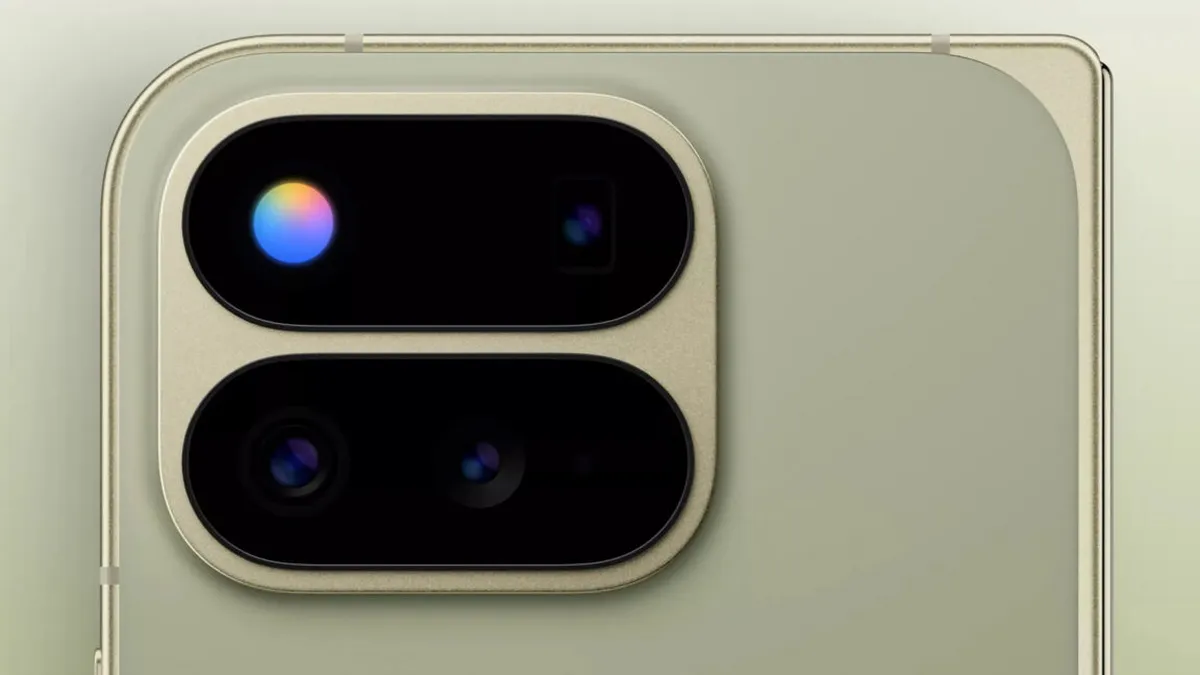
As the tech world eagerly anticipates the unveiling of the Pixel 11 series, Google appears ready to make a splash with its new features and enhancements. Among the most talked-about innovations is the HiLight feature, a multicolor LED designed to keep users informed without requiring them to glance at their screens. This development not only marks a nostalgic return to the classic notification systems of yesteryears but also showcases how Google is integrating its AI technology, Gemini, into its hardware offerings. Let's delve into what HiLight is, how it works, and why it matters in the evolving landscape of smartphone technology.
Understanding the HiLight Feature
Initially teased as “Pixel Glow,” the feature has been officially named HiLight, as confirmed by leaks from tech insiders. According to a post on Bluesky by Roland Quandt from WinFuture, the HiLight functionality will be incorporated into the camera module of the Pixel 11 Pro Fold, changing the landscape of smartphone notifications. This feature is not just about aesthetics; it's about enhancing user experience through smart notifications.
A New Approach to Notifications
HiLight is designed to activate when the smartphone is placed face down on a surface. This means that users will be alerted to incoming calls or messages from preferred contacts through a discreet illumination on the back of the phone. The feature draws inspiration from traditional notification LEDs, which were once a staple in Android smartphones. These tiny lights provided users with a quick visual cue regarding notifications, all while preserving battery life by avoiding the need to wake the display frequently.
HiLight aims to replicate this functionality, but with a modern twist. The multicolor aspect of the LED implies that users might have the ability to customize how they are alerted based on different types of notifications or contacts. However, specifics about its capabilities regarding app notifications beyond calls remain unclear.
The Technical Specifications Behind HiLight
The HiLight LED will occupy space within the camera module, which has undergone design alterations compared to its predecessor, the Pixel Fold. This integration suggests a streamlined approach to device aesthetics while enhancing functionality. The camera bump on the Pixel 11 Pro Fold has been minimized, which may also contribute to a sleeker overall design. With the HiLight feature, Google is taking a step towards innovative hardware that marries form and function.
Moreover, the introduction of HiLight comes alongside improved camera technology and overall device performance. The Pixel 11 series is expected to include advanced imaging capabilities, further melding Google's hardware and software prowess.
The Role of Gemini in HiLight
HiLight is not just a standalone feature; it is closely tied to Google's evolving AI framework, Gemini. As Google prepares to launch new devices, such as Googlebook laptops featuring the Glowbar, the integration of AI into hardware is becoming increasingly pronounced. The Glowbar is predicted to serve a similar function as HiLight, lighting up during interactions with Gemini, thereby creating a cohesive ecosystem of devices that communicate through visual signals.
This integration reflects a broader trend in the tech industry where AI capabilities are being embedded directly into hardware, enhancing user interaction and experience. Users can expect to see the HiLight feature not only in smartphones but also in other Google devices, promoting a more interconnected tech environment.
The Nostalgia of Notification LEDs
The HiLight feature taps into a sense of nostalgia for many users who remember the days when smartphones had dedicated notification LEDs. These tiny lights served as an essential tool for quickly checking notifications without the need to unlock the device. As smartphones evolved, the prevalence of edge-to-edge displays led to the decline of this feature, replaced by more complex notification systems that rely heavily on screen visibility.
By reintroducing a form of notification LED, Google appears to be acknowledging the limitations of current notification systems and responding to user preferences for more intuitive and immediate forms of communication. This could particularly resonate with those who prefer minimalism and efficiency in their device usage.
Implications for Users and the Market
As Google gears up for the official reveal of the Pixel 11 series, the implications of HiLight extend beyond just flashy notifications. The feature could drive competition among smartphone manufacturers to innovate and incorporate similar functionalities into their devices. Furthermore, it raises questions about how consumers will adapt to this blend of old and new technologies.
For users, the HiLight feature promises more personalized and discreet notifications, but it also raises considerations regarding device placement. Many users instinctively place their phones face up to avoid scratches on the screen, which could limit the effectiveness of HiLight. Google's potential answer to this dilemma could be a new generation of more durable glass, but until such features are confirmed, the practical use of HiLight may be hindered.
Key Takeaways
- HiLight: A new multicolor LED feature on the Pixel 11 designed for discreet notifications.
- Integrates with Google's Gemini AI for enhanced user interaction across devices.
- Acknowledges the nostalgia for traditional notification LEDs while adapting to modern smartphone design.
- Potential limitations regarding usage when devices are placed face down.
- Significant implications for the future of smartphone design and user experience.
Frequently Asked Questions
What does the HiLight feature do?
The HiLight feature is a multicolor LED integrated into the camera module of the Pixel 11, designed to provide discreet notifications when the phone is placed face down. It will illuminate to alert users to calls or messages from preferred contacts, echoing the functionality of traditional notification LEDs.
How does HiLight integrate with Google's Gemini AI?
HiLight is closely tied to Google's Gemini AI, which is expected to enhance user interactions across multiple devices. As users interact with Gemini, similar features such as the Glowbar on upcoming Googlebook laptops may light up in response to commands, creating a seamless ecosystem of connected devices.
Will HiLight be customizable for different notifications?
While specifics have yet to be confirmed, the multicolor aspect of the HiLight LED suggests that users may have the capacity to customize notifications based on contact or type of alert. However, the full extent of this functionality will be clearer once the Pixel 11 is officially launched.
Are there any concerns regarding the placement of the phone with HiLight?
One potential concern is that many users typically place their smartphones face up to avoid screen scratches. This could limit the effectiveness of the HiLight feature, as it is designed to work primarily when the phone is face down. As such, Google may need to address this limitation with hardware innovations or make users aware of optimal usage practices.
Comments
Navigating the Costly Landscape of AI Coding Agents: Insights from Industry Leaders
As AI coding agents become integral to software development, enterprises face budget challenges, prompting leaders from Replit, Kilo Code, and Symbotic to share strategies for managing costs effectively.
Related articles

Popular in Developer Tools
- Why Greylock Partners Caps Fund Size in a Growing Industry
- Roblox Unleashes AI-Powered Game Creation for Mobile Users
- DeepSeek Launches Open Source Alternative to Claude Code, Ups API Pricing
- Cursor Launches Origin: A New Challenger to GitHub's Dominance
- Apple's Camera-Equipped AirPods: Innovation or Invasion?