Apple Faces Supply Constraints Amid Rising Component Costs
As demand for hardware components surges, Apple is stockpiling inventory to mitigate expected supply constraints. This article explores the implications of rising memory prices and their impact on Apple's future.

In a rapidly evolving tech landscape, Apple Inc. finds itself grappling with unprecedented supply constraints as demand for hardware components skyrockets. This phenomenon, often referred to as 'RAMageddon,' arises from surging needs driven by advancements in generative AI and other technological innovations. Outgoing CEO Tim Cook describes the situation as akin to a 'hundred-year flood' affecting memory pricing, which poses a significant challenge for the production of key devices such as iPhones and MacBooks. As Apple prepares for what could be a turbulent period ahead, it is stockpiling inventory at an unprecedented rate, reflecting a stark shift in its long-standing supply chain philosophy.
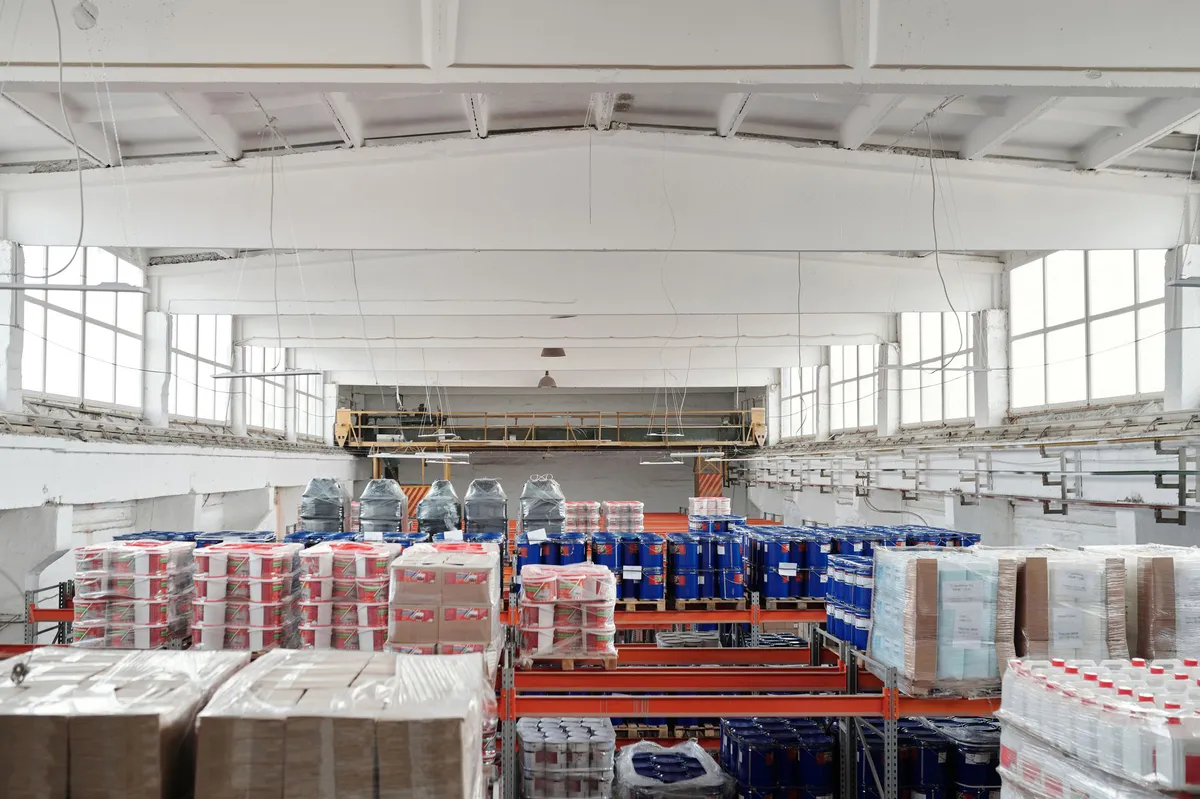
Despite reporting its 'strongest June quarter ever' with impressive year-over-year growth in iPhone and Mac sales—22% and 29% respectively—Apple is bracing for the impact of memory shortages. The company has reported a staggering $11.1 billion in inventory, nearly double the previous year's figure, marking a significant departure from its previous strategy of minimizing inventory levels to streamline operations and reduce costs.
Understanding the Supply Challenge
To get a clearer picture of the current situation, it is essential to understand the complexities of Apple's supply chain and the broader market dynamics at play. The term 'RAMageddon' encapsulates the acute shortage of advanced memory components, critical for the functioning of Apple’s proprietary silicon chips, including the widely acclaimed A-Series and M-Series processors. These chips are at the heart of Apple’s product lineup, powering everything from the latest iPhones to MacBook laptops.
Memory Pricing and Production Costs
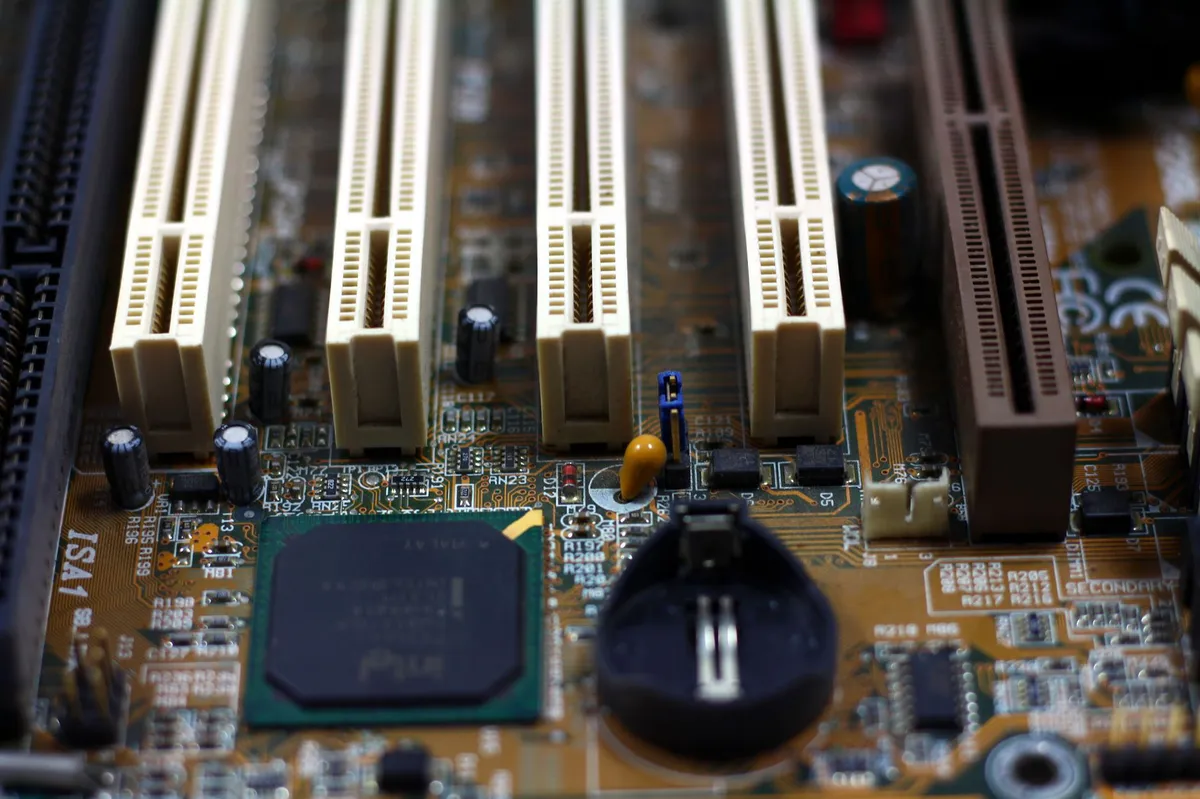
In recent months, memory prices have surged dramatically, with industry analysts predicting that this trend is likely to continue as demand outstrips supply. The increased cost of memory chips directly impacts production budgets, forcing companies like Apple to make difficult decisions regarding pricing and inventory management. Apple's response has been to increase its inventory levels significantly, a move that may insulate it from short-term supply shocks but could also indicate a lack of confidence in future supply chain stability.
Impact on Pricing and Consumer Expectations
As Apple navigates these supply constraints, it has been forced to make tough choices regarding pricing. In a recent earnings call, Cook disclosed that the company had 'reluctantly' increased prices for Macs and iPads in response to rising production costs. This pricing strategy is not unique to Apple; competitors like Meta, Samsung, Microsoft, and Sony have also raised hardware prices, signaling a broader industry trend resulting from supply chain disruptions.
For consumers, this means that the devices they may want to purchase could come with higher price tags. Apple’s price increases are likely to affect the average consumer, particularly those in lower income brackets who may find it increasingly difficult to afford the latest technology. This raises questions about the long-term implications for customer loyalty and market share as competitors offer more affordable alternatives.

Strategic Shifts in Supply Chain Management
Apple's pivot to stockpiling inventory marks a significant shift in its supply chain management strategy. Historically, the company has prioritized lean inventory levels to minimize costs and maximize efficiency. However, the current landscape has forced Apple to reassess this approach in light of potential shortages. Cook's comments about 'scrambling on the supply side' underscore the urgent need for adaptability in supply chain operations, as the company prepares for a future filled with uncertainties.
The Role of Advanced Technology
As Apple grapples with these challenges, the role of advanced technology becomes increasingly crucial. The company has invested heavily in research and development to enhance its manufacturing processes and improve supply chain resilience. This includes exploring alternative materials and manufacturing techniques that could reduce reliance on traditional memory components, thereby mitigating some of the supply risk.
Market Predictions and Investor Reactions
Looking ahead, Apple forecasts revenue growth between 9% and 11% year-over-year, a noticeable decline from its recent average of 16%. Such projections have understandably raised concerns among investors, leading to a drop in Apple’s stock price by 6% in after-hours trading following the earnings announcement. As the company prepares for a leadership transition with Senior VP of Hardware Engineering John Ternus stepping into the CEO role, the challenges associated with supply constraints will likely be a focal point for the new leadership.
- Supply Chain Flexibility: Apple’s ability to adapt its supply chain strategy will be critical in navigating these constraints.
- Consumer Pricing Impact: Price increases may affect consumer purchasing behavior and loyalty.
- Investment in Technology: Continued investment in R&D is essential for long-term supply chain resilience.
Key Takeaways
- Apple is facing significant supply constraints driven by rising memory prices.
- The company has stockpiled inventory, marking a shift from its traditional lean inventory strategy.
- Price increases for devices may impact consumer purchasing decisions and market dynamics.
- Investor concerns are rising amid forecasts of slower revenue growth.
- Continued investment in technology will be crucial for Apple's adaptability.
Frequently Asked Questions
What is causing the current supply constraints for Apple?
The current supply constraints for Apple are primarily due to soaring demand for hardware components, particularly memory chips, which have seen prices rise dramatically. This phenomenon is exacerbated by the increasing reliance on advanced technology in devices, leading to heightened competition for these essential components.
How is Apple adjusting its pricing strategy in response to supply issues?
In response to rising production costs, Apple has recently increased prices for its Mac and iPad products. This decision reflects the company’s need to offset higher costs associated with memory components and other hardware supplies, which have become increasingly scarce and expensive.
What implications do these supply constraints have for consumers?
The implications for consumers include potential price increases on popular devices, which may affect accessibility for some buyers. Additionally, the uncertainty surrounding supply availability could lead to longer wait times for product launches and deliveries, impacting consumer satisfaction and purchasing behavior.
How is Apple preparing for future supply chain challenges?
Apple is preparing for future supply chain challenges by stockpiling inventory and investing in advanced manufacturing processes. These efforts aim to enhance the company’s resilience against supply shocks and ensure a more stable production environment moving forward.
Comments
Investing in AI: The Cloud Hosting Boom and Its Implications
Cloud hosting companies are attracting investor interest as they capitalize on the AI revolution. Amazon, Microsoft, and Google showcase growth despite rising costs, but the future hinges on sustained demand for AI services.

Related articles
Popular in Cloud Computing
- SK Hynix's Historic $26.5 Billion IPO: A New Era for Memory Chips
- Kubernetes and the Future of Desktop Infrastructure: A Paradigm Shift
- Amazon Expands Partnership with Nvidia, Tripling GPU Orders Amid AI Demand Surge
- Elon Musk's Evolving Relationship with Anthropic: A New Era for AI Hosting
- Emerging Rocket Launches: A New Era for Space Exploration