Bright Machines Unveils Hybrid Robot Cell to Enhance AI Infrastructure
Bright Machines introduces its Hybrid BRC, a groundbreaking robotic assembly solution aimed at addressing critical bottlenecks in AI infrastructure production. This innovative approach melds human oversight with automation, ensuring data integrity and boosting yield rates in manufacturing.
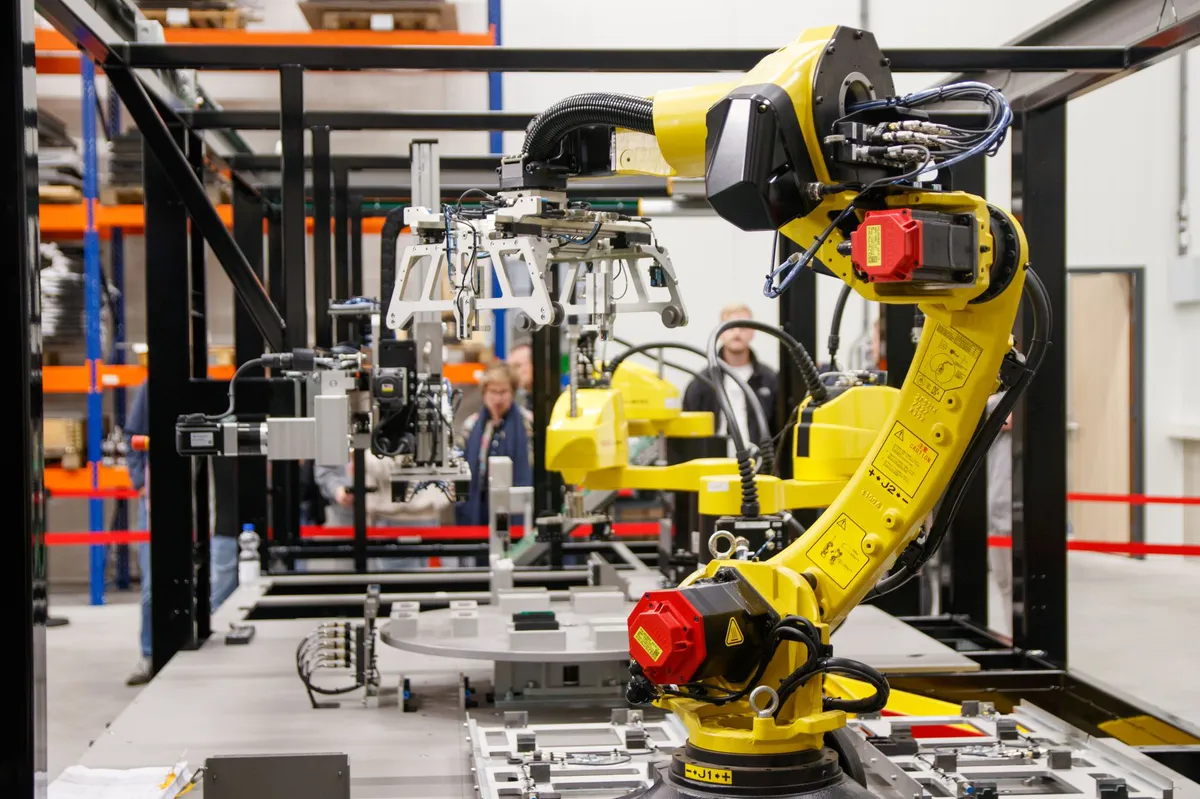
In the rapidly evolving landscape of artificial intelligence, the spotlight often shines on the cutting-edge chips, data centers, and power sources that form the backbone of AI infrastructure. However, a less glamorous yet equally critical aspect lies in the assembly of these components into deployable systems. Bright Machines, a San Francisco-based innovator, has recently launched its Hybrid Bright Robotic Cell (Hybrid BRC), designed to address a significant bottleneck in this sector. By integrating human expertise with advanced robotic technology, Bright Machines aims to enhance production efficiency while maintaining the integrity of data crucial for AI operations.
The launch of the Hybrid BRC is a strategic response to a pervasive challenge in electronics manufacturing—how to incorporate human hands into automated production lines without compromising quality and data accuracy. In an exclusive interview with VentureBeat, CEO Sviat Dulianinov emphasized the stakes involved, revealing that initial yield rates for manually assembled AI servers can plummet to as low as 20%. Given that each AI server can cost upwards of $100,000, this inefficiency is not just a minor setback; it has profound implications for hyperscalers who are under pressure to deploy infrastructure at unprecedented speeds.
The Challenge of Manual Assembly in AI Production
The landscape of automated assembly lines has evolved dramatically, generating a wealth of production data including torque values, component serial numbers, and inspection images. This data is vital for ensuring that each server is assembled correctly and for tracing any failures back to specific components or processes. However, the introduction of manual assembly steps has historically created two unfavorable scenarios: halting the entire production line or diverting units to separate manual workstations that lack data monitoring.
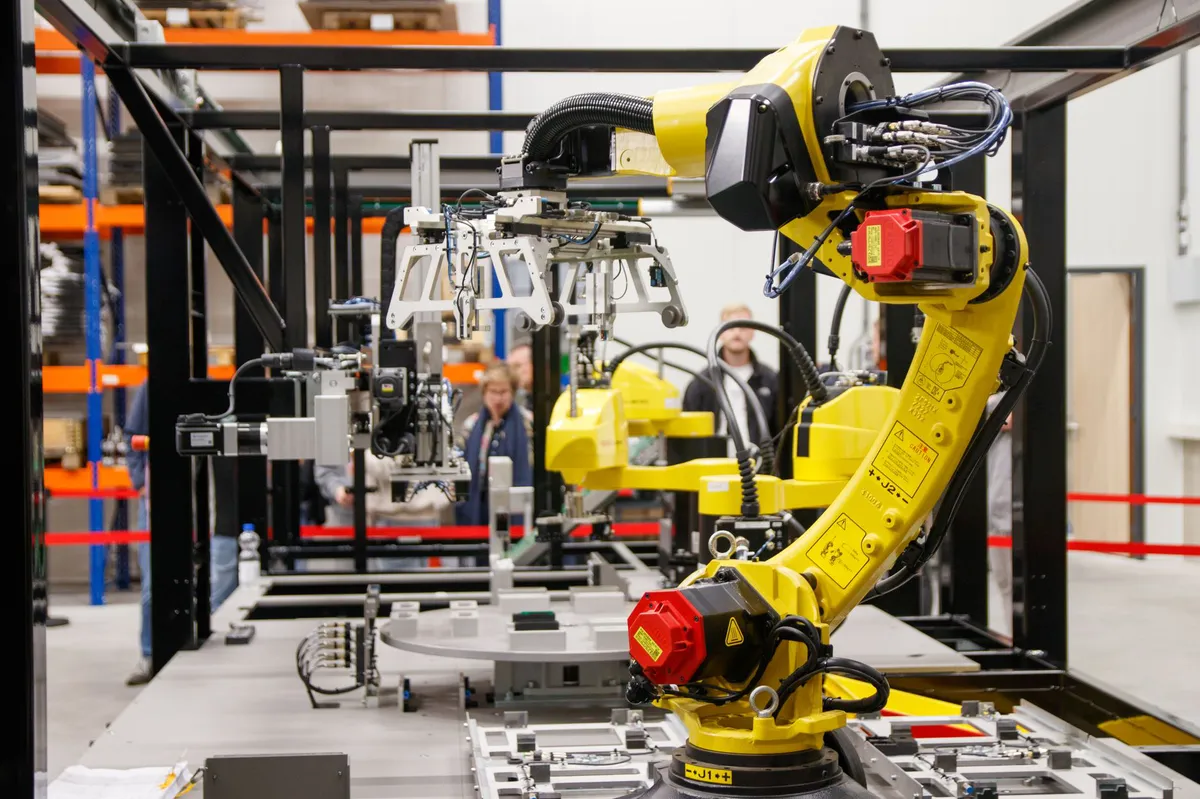
Both options lead to significant losses in throughput and data integrity. The Hybrid BRC, however, eliminates this dilemma by incorporating human operators directly into the robotic cell. The design features safety panels and access doors that, when opened, deactivate the robotic arm while prompting the operator with step-by-step instructions. Throughout this process, an array of sensors continues to monitor for potential errors, thus maintaining a comprehensive data thread from start to finish.
Yield Rates: The Economic Impact of Automation
The economics behind the Hybrid BRC become starkly apparent when comparing human-operated assembly yields to those achieved through automation. Dulianinov reported that while manual assembly may yield only 20% initially, robotic operations can achieve first-pass yields exceeding 98%. This disparity highlights the potential for profitability that automation offers, especially in high-stakes environments where each AI server represents a significant financial investment.
To mitigate risks associated with human intervention, Bright Machines adopts a design philosophy that prioritizes a high degree of automation. Dulianinov noted, “The more human stations you introduce, the more you increase the risk of lower yields.” The goal is to maintain at least 50% automation, with a target of reaching 80% or more. This not only improves throughput but also enhances overall production speed, with robots potentially outperforming humans by up to 100% in terms of efficiency.
AI Infrastructure: A Hidden Bottleneck
While discussions around AI infrastructure often center on chip supply and data center capabilities, Dulianinov asserts that assembly processes are a critical yet overlooked aspect of the deployment timeline. He pointed out that in many cases, the time required to build, test, and sometimes reconstruct servers can stretch into months. In contrast, Bright Machines aims to significantly reduce this timeline, potentially cutting assembly time by a third through the implementation of its innovative Hybrid BRC technology.
The implications are significant for hyperscalers, who lose millions of dollars daily due to delays in server deployment. As the demand for rapid and efficient AI infrastructure continues to grow, the ability to streamline assembly processes becomes essential.
Customer Adoption and Market Positioning
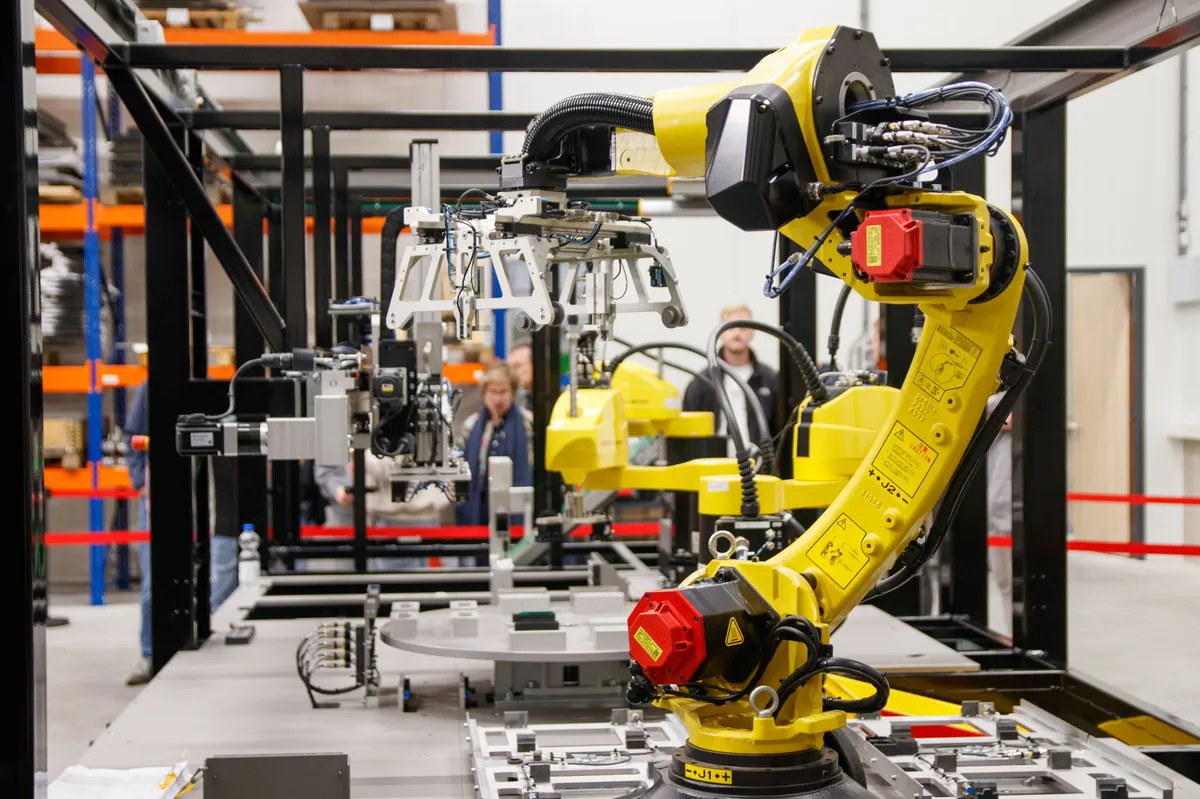
Bright Machines' Hybrid BRC is already in use across various production lines in the United States, with the company reporting the successful assembly of over 10,000 compute nodes. Despite the confidentiality surrounding its customer base—largely due to the proprietary nature of data center operations—Dulianinov revealed that the company has experienced significant growth, with customer numbers more than tripling compared to the previous year.
As Bright Machines continues to scale, it is transitioning to a larger facility in Burlingame, California, to accommodate its expanding operations. Currently, the company has deployed over 130 microfactories across more than ten countries, illustrating its robust global footprint in the AI infrastructure space.
Competitive Landscape and Differentiation
In a marketplace filled with players like Tulip and Instrumental, which focus on operator interfaces and inspection software, Bright Machines distinguishes itself by owning the full production process—from the implementation of assembly lines to the orchestration of data. Dulianinov emphasized that while competitors offer parts of the solution, Bright Machines integrates all components under a single platform, Bright Insights, providing unparalleled traceability and operational efficiency.
Moreover, with its roots as a spin-off from the contract manufacturer Flex, Bright Machines has navigated significant challenges, including a failed SPAC merger in 2021. However, a successful Series C funding round in 2024—totaling $126 million—demonstrates investor confidence in the company’s vision and technological advancements.
Ethics of Data Ownership and Workforce Monitoring
As Bright Machines implements advanced monitoring systems within its production environment, questions regarding data ownership and employee surveillance arise. Dulianinov clarified that while customers retain ownership of their specific production data, Bright Machines maintains rights to process and robotics data for continuous improvement. This approach ensures that proprietary customer information remains secure while allowing the company to refine its operations.
On the topic of workforce monitoring, Dulianinov argued that in high-IP environments—such as those involving government or defense contracts—employees are already accustomed to stringent security measures. Rather than viewing monitoring as surveillance, he framed it as a necessary component of ensuring quality and security in the production of sensitive technologies.
Key Takeaways
- Bright Machines has launched the Hybrid BRC to enhance AI server assembly.
- The technology aims to maintain high yield rates while integrating human operators into automated processes.
- Efficiency gains could significantly reduce assembly times, addressing critical bottlenecks in AI infrastructure.
- Bright Machines has seen rapid growth, with a strong customer base and plans for expansion.
- The company differentiates itself through a comprehensive approach to production and data management.
Frequently Asked Questions
What is the Hybrid BRC and how does it work?
The Hybrid Bright Robotic Cell (BRC) is an advanced assembly solution that combines human operators and robotic automation. It features sensor-monitored workspaces where operators can perform assembly tasks without disrupting the digital tracking of production data. This integration aims to enhance yield rates and maintain data integrity throughout the manufacturing process.
How does the Hybrid BRC improve production yields?
The Hybrid BRC significantly boosts production yields by minimizing human error and maintaining continuous data monitoring. While manual assembly can yield as low as 20%, the automated components of the Hybrid BRC achieve yields exceeding 98%. By optimizing the balance between human intervention and automation, Bright Machines can ensure higher efficiency and quality in server assembly.
Why is assembly a bottleneck in AI infrastructure deployment?
Assembly processes often lag behind other aspects of AI infrastructure, such as chip supply and data center readiness. Delays in assembling servers can extend deployment timelines significantly, costing hyperscalers millions of dollars. Bright Machines aims to streamline these processes, reducing assembly time by a third to facilitate faster deployment of AI systems.
What sets Bright Machines apart from its competitors?
Bright Machines differentiates itself by offering a comprehensive solution that integrates robotics, data management, and production processes under a single platform—Bright Insights. Unlike competitors that may focus on specific aspects of manufacturing, Bright Machines oversees the entire operation, ensuring traceability and operational efficiency throughout the production cycle.
Comments
Microsoft's AI Investment Landscape: Anthropic Soars, OpenAI Stumbles
In a recent earnings report, Microsoft highlighted a significant $3.2 billion gain from its investment in Anthropic, contrasting sharply with a decline in its OpenAI investment. This article delves into the implications of these figures for Microsoft's future in AI and the competitive landscape of machine learning.

Related articles

Popular in Cloud Computing
- SK Hynix's Historic $26.5 Billion IPO: A New Era for Memory Chips
- Kubernetes and the Future of Desktop Infrastructure: A Paradigm Shift
- Amazon Expands Partnership with Nvidia, Tripling GPU Orders Amid AI Demand Surge
- Elon Musk's Evolving Relationship with Anthropic: A New Era for AI Hosting
- Emerging Rocket Launches: A New Era for Space Exploration