SpaceX's Starship: Tower Catch Plans After Successful 13th Flight
Following a successful and intact splashdown of Starship Flight 13, SpaceX is setting its sights on an ambitious next step: capturing the vehicle mid-air with a launch tower. This article delves into the implications of this feat for the future of space travel and the challenges ahead.
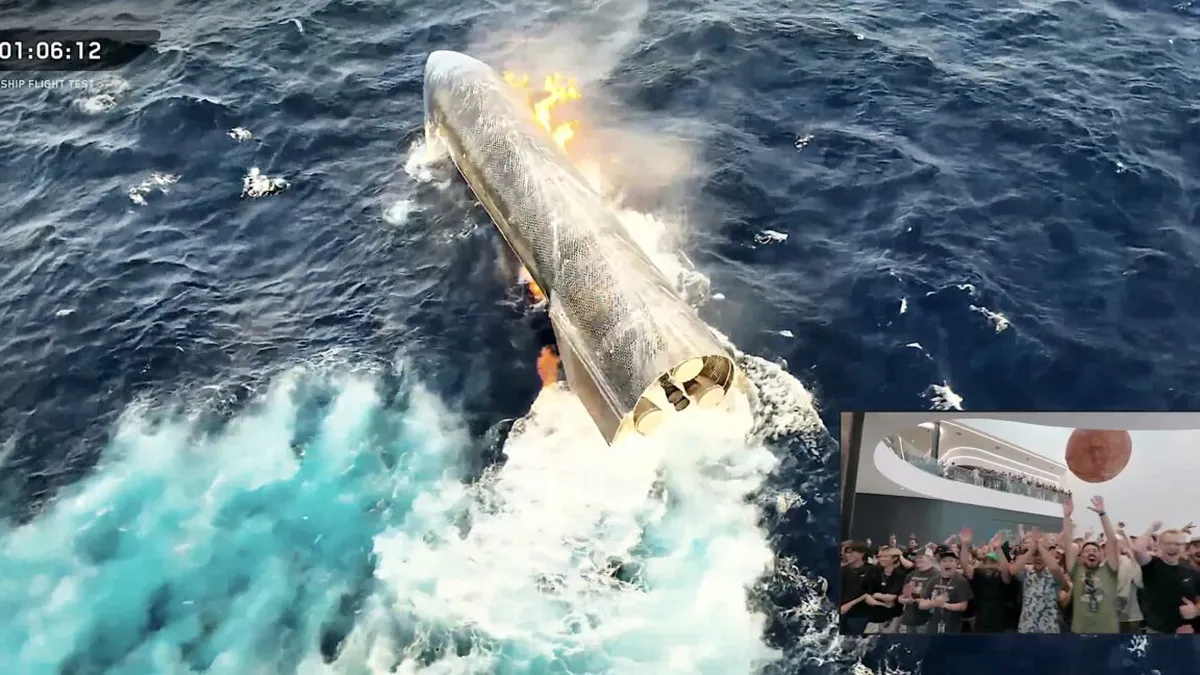
In a significant milestone for space exploration, SpaceX's Starship program has reached a new level of achievement with its 13th test flight, which culminated in a flawless splashdown in the Indian Ocean. This latest endeavor highlights the company's commitment to advancing its reusable rocket technology, as well as its broader ambitions for interplanetary travel and satellite deployment. Following this successful mission, SpaceX is now setting its sights on an audacious goal: capturing the Starship mid-air using a specialized tower system during its next flight. The implications of this potential breakthrough could redefine the landscape of space travel.
The 13th flight of Starship, which took place on July 24, 2026, not only demonstrated the vehicle's capability to return intact but also provided valuable data that engineers can leverage for future missions. The vehicle, after completing a successful trajectory across the globe, ultimately splashed down gently, a stark contrast to previous tests that ended in fiery disasters. As SpaceX prepares for its next steps, the focus will be on how to operationalize this technology and make space travel more efficient and reliable.
Successful Splashdown and Its Significance
Starship's latest flight marked a pivotal moment in the program's history. After launching from SpaceX's Starbase in Texas, the rocket traveled more than halfway around the world, demonstrating its capacity for long-range flights. The vehicle's descent ended with an intact splashdown in a remote section of the Indian Ocean, where it was inspected using drones dispatched by SpaceX engineers. This was a significant achievement, as prior missions often resulted in the vehicle being lost upon reentry.
Heat Shield Performance
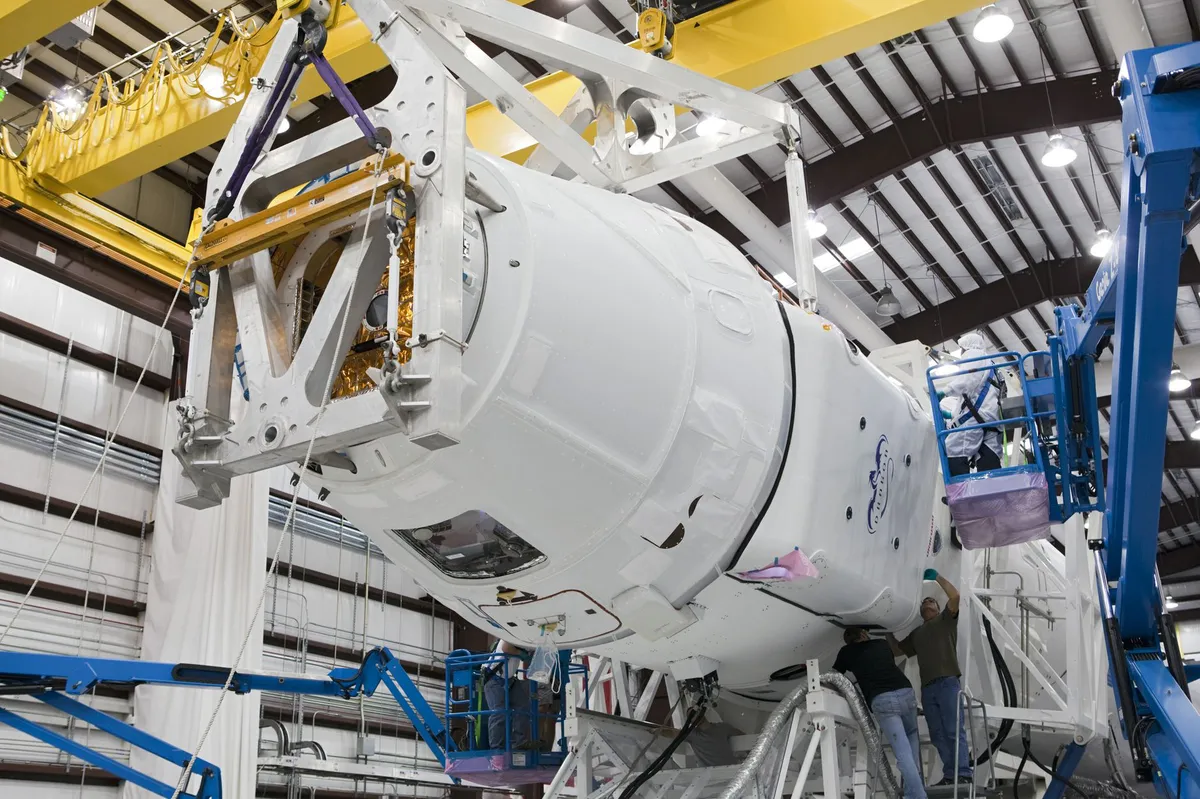
One of the most critical components of Starship's design is its heat shield, composed of over 18,000 ceramic tiles. These tiles must withstand extreme temperatures exceeding 2,600°F (1,430°C) during reentry. The successful splashdown allowed engineers to inspect the heat shield's condition and gather essential data regarding its performance under stress. This information is crucial for SpaceX’s goal of achieving rapid turnaround times for Starship, which will require the heat shield to maintain its integrity without extensive refurbishment.
Next Steps: The Tower Catch Ambition
Encouraged by the successful flight and splashdown, Elon Musk and his team are eager to take the next leap: attempting to catch the Starship as it returns to the launch site. This ambitious maneuver involves using mechanical arms on a launch tower to capture the vehicle mid-air as it slows to a hover. This method was previously tested with the Super Heavy booster, which, despite its larger size and weight, was successfully captured. Musk has indicated that unless unforeseen problems arise during data review, the tower catch will be attempted in the next flight.
Why Tower Catch Matters
The tower catch represents a significant advancement in SpaceX's reusable technology, potentially allowing for quicker refurbishment and turnaround of Starship flights. This capability is essential for SpaceX's long-term vision, which includes not only satellite deployments but also missions to the Moon and Mars. By successfully capturing the vehicle, SpaceX could reduce operational costs and increase the frequency of launches, ultimately revolutionizing space travel.
Starship's Role in Future Missions
Starship's recent flight also included the launch of 20 Starlink V3 satellites, showcasing its dual capabilities as both a launch vehicle and a platform for satellite deployment. These next-generation satellites are designed for improved throughput and power, reflecting SpaceX’s commitment to enhancing global internet connectivity. This mission provided engineers with critical telemetry data regarding the satellites' performance in space, further informing future satellite designs and operational strategies.
The Path to Orbital Refueling
The successful deployment of Starlink satellites is just one aspect of Starship's extensive mission profile. The vehicle is also pivotal for NASA's Artemis program, which aims to return humans to the Moon. An orbital flight of Starship opens up possibilities for orbital refueling demonstrations, a crucial capability for any missions extending beyond low-Earth orbit. These refueling operations will enable longer missions and establish a human presence on the Moon and beyond.
Challenges Ahead
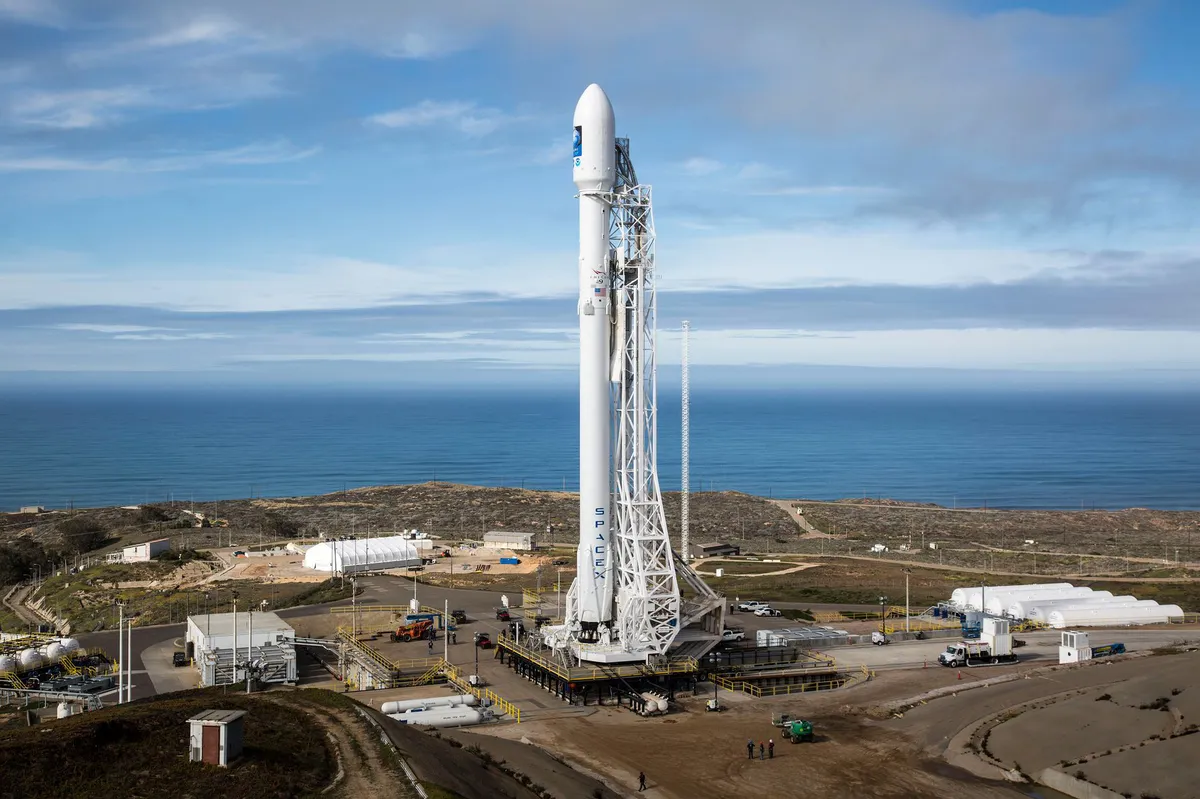
Despite the impressive achievements of SpaceX, numerous challenges remain as the company pushes forward with its ambitious plans. The Super Heavy booster, essential for launching Starship, encountered issues during its splashdown—highlighting that while progress has been made, further refinements are needed for the booster’s recovery system. SpaceX has successfully recovered previous versions of the Super Heavy booster, but this version still requires optimization to ensure that it can be reused effectively.
Moreover, while the heat shield performed admirably during the latest flight, engineers must continue to monitor its durability under various conditions. The harsh environment of space travel demands rigorous testing and validation to ensure that the technology is robust enough for frequent flights.
Key Takeaways
- Successful Splashdown: Starship's 13th test flight ended with an intact splashdown, a significant achievement for SpaceX.
- Next Ambition: SpaceX plans to capture Starship using a launch tower on its next flight, a major leap in reusable rocket technology.
- Heat Shield Insights: The inspection of the heat shield after splashdown provides critical data for improving its performance.
- Starlink Deployment: The mission included launching Starlink V3 satellites, enhancing SpaceX's internet connectivity capabilities.
- Future Missions: Starship's developments are integral to NASA’s Artemis program and other missions beyond low-Earth orbit.
Frequently Asked Questions
What is the significance of the tower catch attempt for Starship?
The tower catch represents a transformative approach to rocket recovery, enabling rapid turnaround times and reducing operational costs for SpaceX. By successfully capturing Starship mid-air, SpaceX can streamline its processes and increase the frequency of launches, which is crucial for both commercial satellite deployment and future missions to the Moon and Mars.
How does the heat shield work, and why is it important?
The heat shield is composed of thousands of ceramic tiles designed to protect the Starship from extreme temperatures during reentry. Its performance is critical, as it must remain intact to ensure the safety and reusability of the spacecraft. The recent inspection after splashdown provided valuable data on how well the heat shield withstood the stresses of launch and reentry, which will inform future designs and materials.
What are the next steps for SpaceX after this successful flight?
Following the success of Flight 13, SpaceX plans to attempt a tower catch for the next flight, potentially involving an orbital mission. The company is also focused on refining its Super Heavy booster recovery system and preparing for future missions, including those related to NASA's Artemis program, which aims to return humans to the Moon.
Comments
Popular in Cloud Computing
- SK Hynix's Historic $26.5 Billion IPO: A New Era for Memory Chips
- Kubernetes and the Future of Desktop Infrastructure: A Paradigm Shift
- Amazon Expands Partnership with Nvidia, Tripling GPU Orders Amid AI Demand Surge
- Elon Musk's Evolving Relationship with Anthropic: A New Era for AI Hosting
- Emerging Rocket Launches: A New Era for Space Exploration