Google Simplifies Transition from iPhone to Android with New Migration Tool
Google's latest update to Android 17 facilitates a seamless switch from iPhone to Android, allowing users to effortlessly transfer a variety of data types. This strategic move aims to attract more iPhone users to the Android ecosystem.
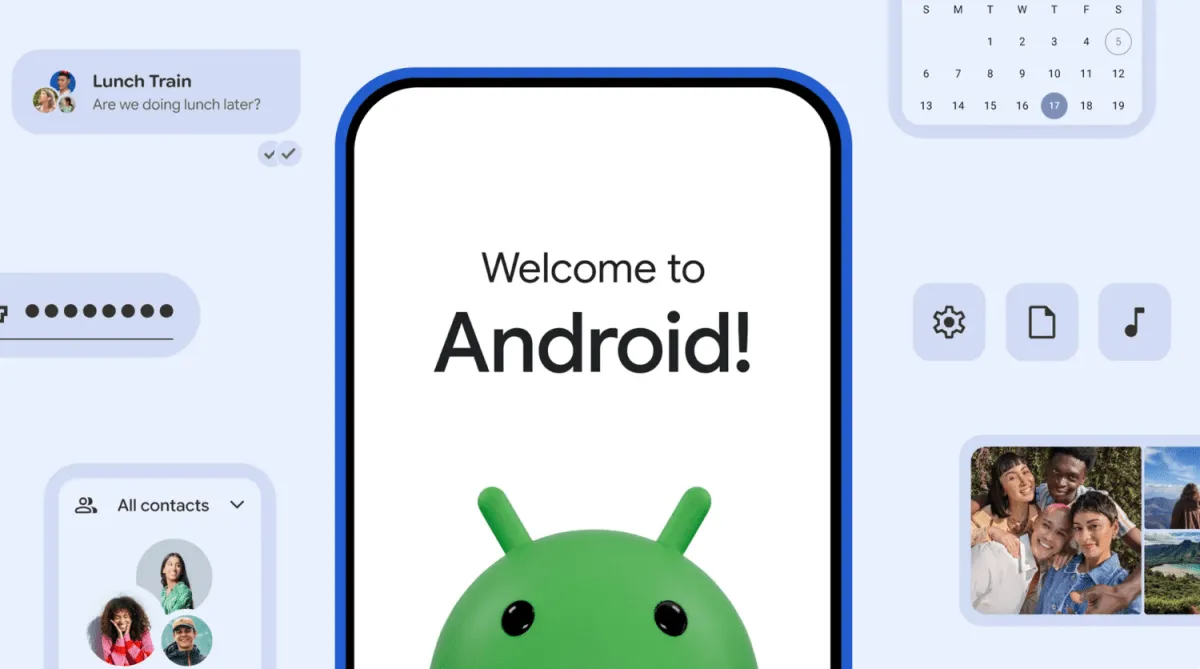
In an increasingly competitive smartphone market, Google is taking significant steps to make the transition from iPhone to Android as smooth as possible. Announced recently, the latest update to Android 17 introduces a built-in migration experience that allows users to wirelessly transfer a wide array of data types from their iPhones to their new Android devices. This initiative not only simplifies the onboarding process but also aims to lower the barriers for iPhone users contemplating a switch to Android. With this new feature, Google is strategically positioning itself to attract a larger share of the smartphone market, particularly from Apple users.
Streamlined Migration Experience
One of the most significant challenges facing users who want to switch from iPhone to Android has always been the complex data transfer process. Traditionally, users needed to download a separate app or utilize cumbersome methods to move their data. Google's new approach changes that narrative. With the migration feature now built into Android 17, users can transfer a multitude of data types, including:
- Photos and Videos: Preserve cherished memories with seamless media transfer.
- Contacts: Easily import your entire contact list.
- Messages: Retain text conversations, making the transition less disruptive.
- Calendars: Keep track of important dates and appointments.
- Google Account Information: Sign in effortlessly with your existing Google account.
- Passwords and Wi-Fi Credentials: Save time by automatically importing login details.
- eSIM Data: Transfer your mobile plan without the need for a physical SIM card.

Aiming to Attract iPhone Users
The introduction of this migration tool is not just a technical upgrade; it’s part of a broader strategy by Google to lure iPhone users into the Android ecosystem. By making the switch easier and more appealing, Google hopes to convert hesitant customers who may have been deterred by the complexity of moving their data. This move reflects a growing trend within the tech industry, where companies are increasingly aware of the importance of user experience during onboarding.
The Competitive Landscape
In the battle for smartphone dominance, attracting users from competitors is crucial. Apple has long enjoyed a loyal customer base, thanks in part to the seamless integration of its devices and services. Google’s new migration feature is a direct response to this challenge, providing a compelling reason for Apple users to reconsider their allegiance. As smartphone technology continues to evolve, so too does the need for companies to innovate in customer onboarding and data migration.
Availability and Future Prospects
The rollout of this new migration feature has already begun, with select Pixel devices receiving the upgrade first. Additionally, the feature is available on the newly unveiled Samsung Galaxy Z Flip8 and Z Fold8. Google has indicated that more Android devices will soon support this functionality, which is vital for ensuring that the transition experience is consistent across various manufacturers and models.
Implications for Users and Manufacturers
This development has multiple implications for both users and manufacturers. For users, the ability to transfer data easily can significantly enhance their experience and satisfaction with their new device. For manufacturers, supporting this feature can create a more competitive landscape, as brands that prioritize user-friendly transitions will likely see increased sales and customer loyalty.
Key Takeaways
- Seamless Transition: Google’s new migration tool simplifies switching from iPhone to Android.
- Wide Data Support: Users can transfer various data types, enhancing user experience.
- Strategic Market Move: Aims to attract more iPhone users to the Android ecosystem.
- Device Availability: Currently rolling out to select Pixel and Samsung devices, with more to come.
Frequently Asked Questions
What types of data can I transfer using the new migration feature?
The new migration feature in Android 17 allows users to transfer a comprehensive selection of data types. This includes photos, videos, contacts, messages, calendars, passwords, Wi-Fi credentials, and eSIM data. This breadth of support is designed to make the transition as seamless and complete as possible, minimizing the disruption that often comes with switching devices.
How do I access the migration feature on my Android device?
To access the migration feature, ensure your Android device is updated to the latest version of Android 17. During the initial setup process, you will be prompted to initiate the data transfer. Follow the on-screen instructions to connect to your iPhone and select the types of data you wish to transfer. It’s a straightforward process designed to guide you through each step.
Will this migration feature be available for all Android devices?
While the migration feature is initially rolling out to select Pixel devices and the new Samsung Galaxy Z Flip8 and Z Fold8, Google has announced that it plans to expand availability to more Android devices in the near future. This is part of Google's strategy to standardize the user experience across all Android devices, making it easier for users to switch regardless of the manufacturer.
Is there any cost associated with using the migration tool?
No, the migration tool is a free feature included with the Android 17 update. Users will not incur any charges for transferring their data from an iPhone to an Android device. This is part of Google’s initiative to enhance user experience and encourage more people to make the switch.
Comments
Tesla's Q2 2026 Financial Report: Growth Amid Rising Costs
Tesla reports a 25% increase in sales for Q2 2026, but rising costs and expenses have significantly impacted profitability. Despite a robust revenue growth, the company's profit margins have narrowed, raising questions about its spending strategy and future direction.

Related articles
Popular in Cloud Computing
- SK Hynix's Historic $26.5 Billion IPO: A New Era for Memory Chips
- Kubernetes and the Future of Desktop Infrastructure: A Paradigm Shift
- Amazon Expands Partnership with Nvidia, Tripling GPU Orders Amid AI Demand Surge
- Elon Musk's Evolving Relationship with Anthropic: A New Era for AI Hosting
- Emerging Rocket Launches: A New Era for Space Exploration