What Happens When Your Vehicle Outlives Its Cloud Services?
As vehicles become increasingly connected, the longevity of their cloud services can be uncertain. This article explores the implications of losing cloud connectivity in vehicles, the technologies involved, and potential alternatives.

In today's automotive landscape, the integration of cloud technology into vehicles has transformed the driving experience, making it more convenient, connected, and safer. From remote locking and unlocking to in-vehicle Wi-Fi and emergency assistance, these features have become selling points for new cars. However, what happens when these cloud-based services become obsolete? With cellular networks evolving and automakers choosing to phase out older technologies, many drivers face the unsettling reality of losing access to the very conveniences they’ve come to rely on.
This article delves into the rise of cloud connectivity in vehicles, the challenges of aging technology, and the potential solutions for car owners who may find themselves at a loss when their vehicle's cloud support ceases. Understanding these dynamics is crucial for anyone who values the connected features of their vehicle and wants to be prepared for the future.
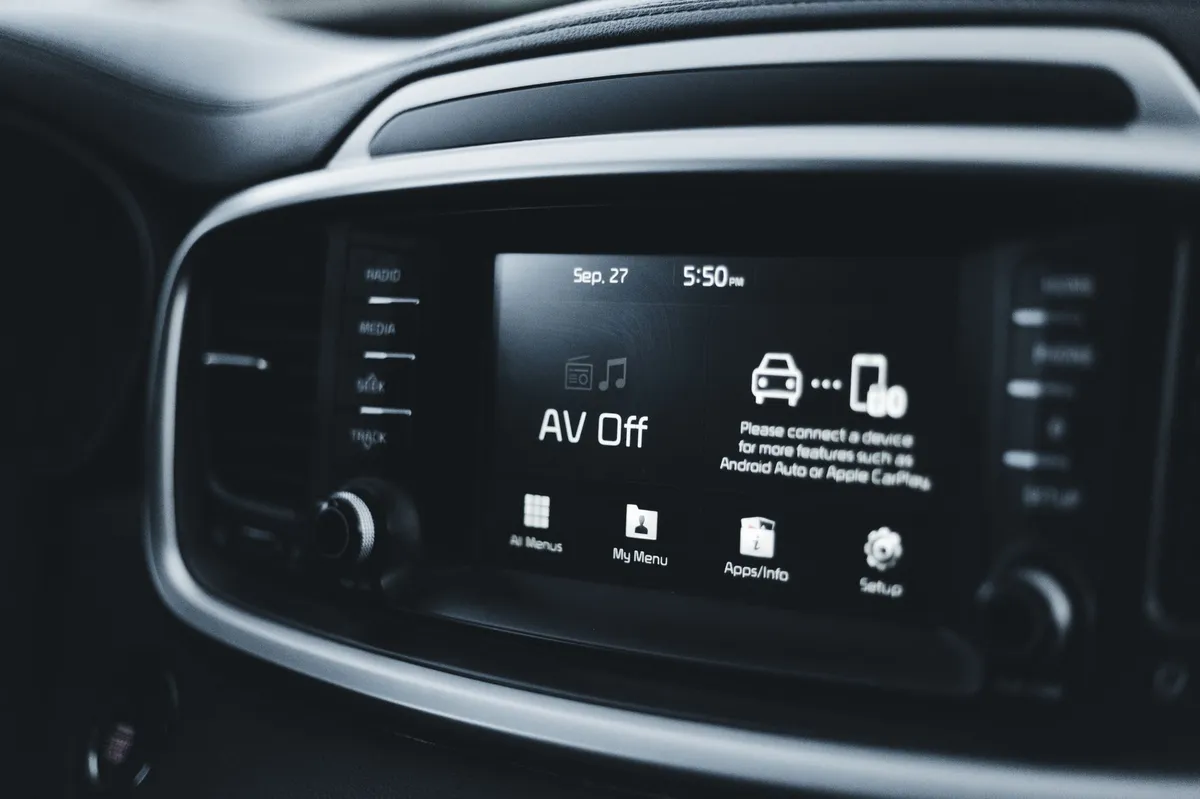
The Evolution of Connected Vehicles
The concept of connected vehicles is not new; it traces its roots back to the 1990s when General Motors first introduced the OnStar system. Initially, these services were limited to basic voice interactions, but as technology advanced, the capabilities of connected services expanded dramatically. Today, most automakers offer their own versions of connected services, which incorporate sophisticated cloud-based features that enhance user experiences.
Modern connected vehicles use over-the-air (OTA) updates to deliver new features and enhancements directly to the car, reducing the need for dealership visits. This capability not only improves the vehicle's usability but also allows manufacturers to push necessary updates for safety recalls and bug fixes to thousands of vehicles simultaneously. As a result, automakers can maintain relationships with customers long after the initial sale, generating recurring revenue through subscription models.
Key Features of Connected Services
- Remote locking and unlocking
- Vehicle status and maintenance updates
- Location tracking and emergency assistance
- In-vehicle Wi-Fi hotspots
- Cabin preconditioning
Despite the benefits, the convenience of these features is contingent on the longevity of the technology supporting them. As cellular networks evolve and manufacturers discontinue support for older hardware, the question arises: how long will these connected services remain available?

The Diminishing Lifespan of Cloud Services
The lifecycle of a vehicle's cloud services is not indefinite. Various factors contribute to the eventual discontinuation of these features, and understanding them is crucial for consumers. As cellular providers phase out older technologies—such as 3G networks in favor of 4G and 5G—vehicles that rely on outdated hardware can find themselves cut off from essential services.
In 2022, numerous U.S. cellular carriers, including AT&T and Verizon, decommissioned their 3G networks, which affected countless vehicles equipped with 3G telematics. Automakers like Lexus and BMW faced backlash from owners who suddenly lost connectivity due to the cessation of support for their aging systems. The impact was not limited to older models; even relatively recent vehicles with 4G capabilities could be at risk if the backend systems supporting them were deemed unworthy of continued investment by the manufacturers.
Manufacturer Decisions and Consumer Impact
Automakers are faced with tough decisions when it comes to maintaining cloud services for older vehicles. For instance, Acura announced it would stop supporting its AcuraLink services for models manufactured from 2014 to 2022, despite these vehicles having the hardware capable of connecting to modern networks. This decision shocked many owners who had expected their vehicles to remain functional for the duration of their ownership.
When manufacturers decide to discontinue support for older cloud services, they often provide limited recourse for affected vehicle owners. While some manufacturers may offer prorated refunds for unused subscription services, others may not offer any upgrade paths, leaving consumers with frustrating choices.

Life After Cloud Services: Alternatives and Solutions
When cloud-based services are discontinued, it can feel like a major loss, but the underlying functionality of the vehicle remains intact. Powertrain, climate control, and other essential systems do not rely on cloud connectivity. However, for those who have come to depend on connected features, there are several alternatives that can help restore some level of functionality.
Options for Maintaining Connectivity
- Software Updates: If the vehicle has compatible hardware, manufacturers may offer over-the-air software upgrades to restore connectivity. For example, Honda provided free updates for many models prior to the 3G shutdown.
- Hardware Upgrades: In some cases, dealerships can replace outdated telematics control units (TCUs) with newer models that support current networks. These upgrades, however, may involve a service visit and associated costs.
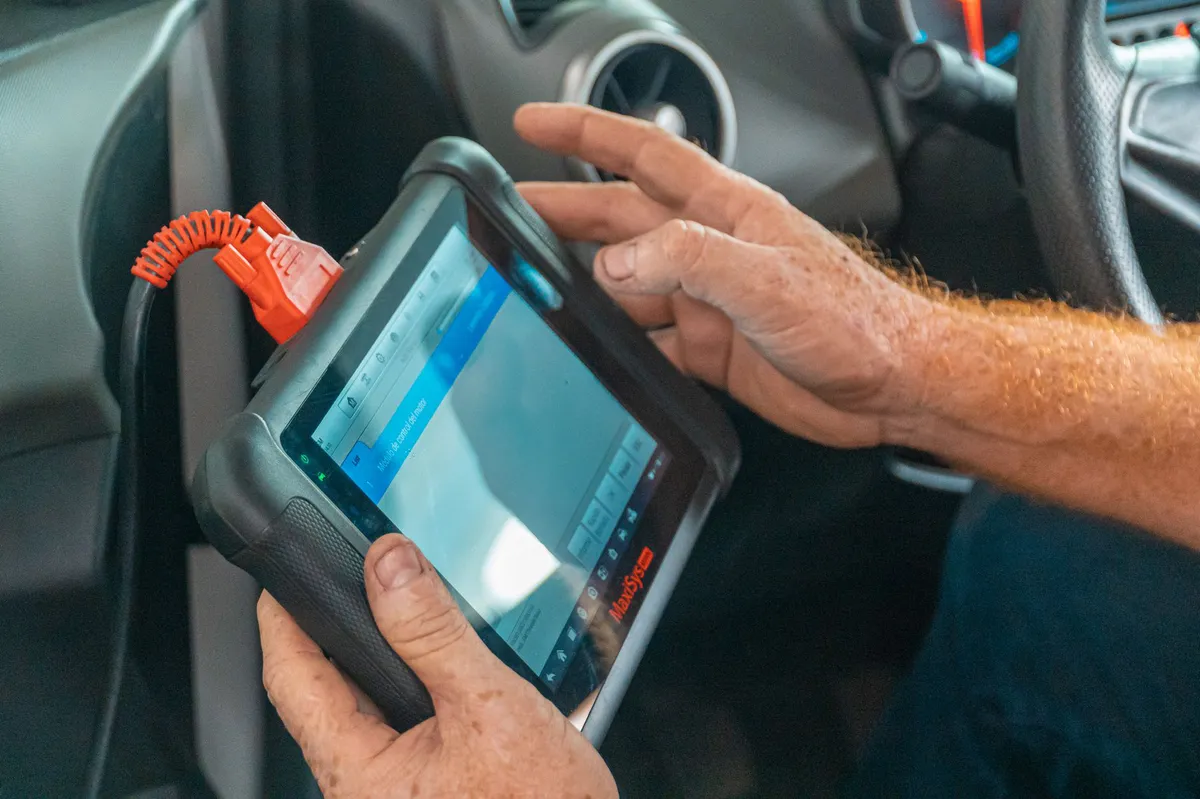
- Aftermarket Solutions: Devices that plug into the vehicle's OBD port can offer limited telematics services, although they typically lack the comprehensive functionality of OEM systems. These solutions are often geared toward fleet management rather than individual consumer needs.
- Smartphone Apps: Some manufacturers have developed standalone apps that retain select functionalities even without cloud connectivity. These apps can offer features like GPS tracking and remote diagnostics.
While these alternatives can help bridge the gap, they often come with trade-offs. Aftermarket solutions may not provide the same level of integration or features as original equipment, and hardware upgrades can be costly and may not be available for all vehicles.
Preparing for the Future of Vehicle Connectivity
- **Stay Updated:** Keep an eye on announcements from automakers regarding software updates and service discontinuations.
- **Consider Hardware Compatibility:** When purchasing a vehicle, inquire about the longevity of its connected services, including which cellular networks it supports.
- **Explore Aftermarket Options:** Research aftermarket telematics solutions that may offer alternative connectivity and features.
- **Utilize Manufacturer Apps:** Download and familiarize yourself with your vehicle's mobile app to maximize its capabilities, even if cloud support wanes.
By being proactive, drivers can better navigate the evolving landscape of connected vehicles and mitigate the impact of losing cloud services.
Key Takeaways
- Cloud-based services in vehicles enhance convenience but face obsolescence as technology evolves.
- Manufacturers may discontinue support for older systems, leaving some owners without critical features.
- Alternatives such as software updates, hardware upgrades, and aftermarket solutions can help maintain connectivity.
- Being informed and proactive can help consumers adapt to changes in vehicle connectivity.
Frequently Asked Questions
What should I do if my vehicle's cloud services are discontinued?
If your vehicle's cloud services are discontinued, start by checking if your manufacturer offers any software updates or hardware upgrades to restore connectivity. If those options are not available, consider aftermarket telematics solutions or smartphone apps that provide limited functionality. Staying informed about your vehicle's capabilities will help you make the best decision moving forward.
How can I find out if my vehicle supports 4G or 5G connectivity?
You can usually find this information in the vehicle's owner's manual or by visiting the manufacturer's website. Additionally, contacting your dealership can provide clarity on the connectivity options available for your specific model and year. Knowing your vehicle's compatibility will help you plan for future connectivity needs.
Are aftermarket telematics devices worth it?
Aftermarket telematics devices can be useful, especially for fleet management, but they typically lack the comprehensive features of original equipment services. If you primarily need basic connectivity for tracking or diagnostics, they can be a cost-effective solution. However, if you rely on advanced features like remote locking or emergency assistance, you may need to consider other options.
Will my vehicle still operate normally without cloud connectivity?
Yes, your vehicle will still operate normally without cloud connectivity. The core mechanical functions, such as the powertrain and climate control systems, do not depend on cloud services. However, you will lose the added conveniences and safety features that rely on cloud connectivity, so it’s essential to plan accordingly if you heavily utilize those services.
Comments
Weka's NeuralMesh 6: A Game Changer for AI Storage Efficiency
Weka's new NeuralMesh 6 storage platform promises to revolutionize how AI models manage memory by caching pre-calculated tokens, significantly reducing GPU load and costs. This innovative approach is set to benefit organizations deploying AI at scale, enabling faster deployments and better utilization of existing resources.

Related articles
Popular in Cloud Computing
- SK Hynix's Historic $26.5 Billion IPO: A New Era for Memory Chips
- Kubernetes and the Future of Desktop Infrastructure: A Paradigm Shift
- Amazon Expands Partnership with Nvidia, Tripling GPU Orders Amid AI Demand Surge
- Elon Musk's Evolving Relationship with Anthropic: A New Era for AI Hosting
- Emerging Rocket Launches: A New Era for Space Exploration