US Space Force Expands Rocket Launch Budget to $30 Billion
The US Space Force is significantly increasing its rocket launch budget, now seeking up to $30 billion for satellite missions. This expansion reflects rising military demands for satellite capabilities amid evolving global threats.
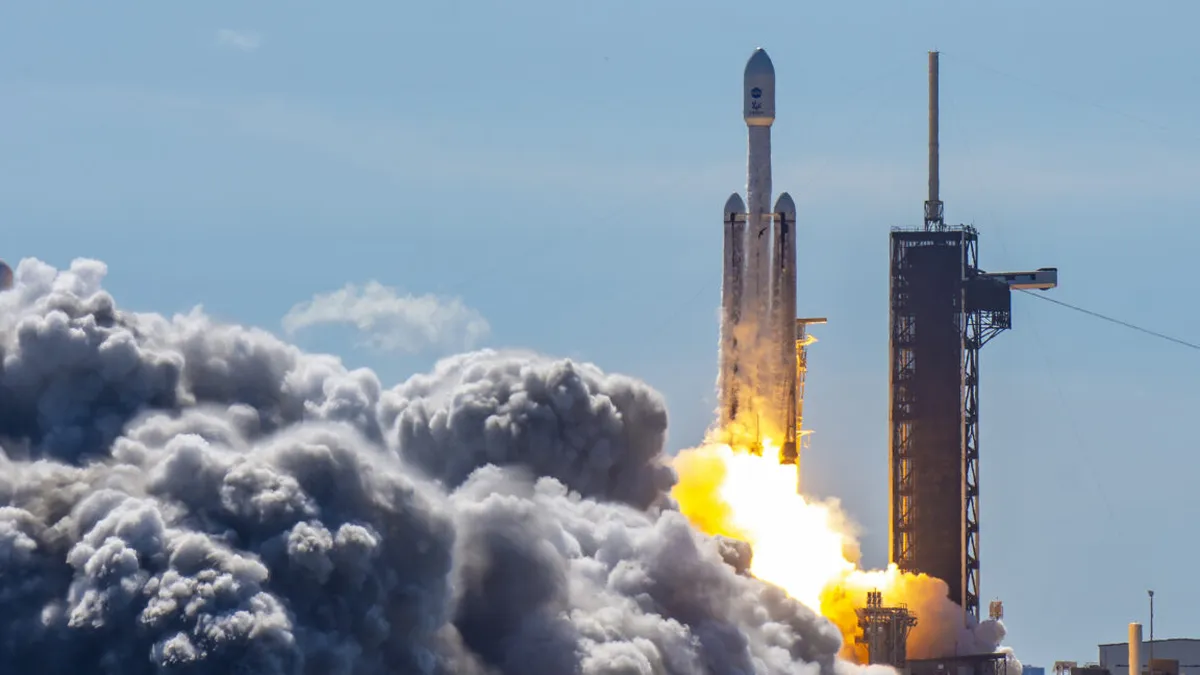
The United States Space Force is ramping up its commitment to military satellite launches, announcing a staggering increase to its budget that now tops $30 billion. This unprecedented move signals a growing urgency within the Pentagon to enhance military capabilities in space, as global tensions rise and the need for advanced satellite communications and surveillance systems becomes critical. Initially, the Space Force allocated $5.6 billion for its National Security Space Launch (NSSL) program, but with the new announcement, that figure has been tripled to an impressive $17 billion, with the potential for further expansion.
The NSSL program is designed to provide the Space Force with a variety of launch options from a pool of commercial launch providers. This flexibility is essential for meeting the diverse needs of military missions, which can range from experimental payloads to high-stakes strategic operations. As the Space Force embraces this expanded budget, it also highlights the increasing reliance on private sector launch capabilities, reflecting a broader trend of public-private partnerships in the aerospace industry.
Understanding the National Security Space Launch Program
The NSSL program is comprised of two distinct lanes, each tailored to different types of missions. Lane 1 focuses on risk-tolerant operations, which include medium-lift launches. These missions often carry experimental payloads or participate in rideshare arrangements, where multiple satellites share a single launch. This lane is critical for testing new technologies and supporting innovative projects, such as the Pentagon's surveillance and data relay constellations.
Lane 1: Innovation and Experimentation
In Lane 1, the Space Force collaborates closely with commercial partners to foster innovation and agility in launching satellites. For example, the ability to perform rideshare missions allows for cost-effective deployment of multiple satellites, enhancing the overall efficiency of military operations. By leveraging commercial capabilities, the Space Force can experiment with new technologies while minimizing risks and costs.
Lane 2: Strategic Mission Priority
On the other hand, Lane 2 deals with the high-stakes world of strategic missions. This lane is reserved for the government's most critical operations, including launching the largest and most expensive spy satellites. These missions are accomplished with a keen focus on reliability and security, particularly when it comes to radiation-hardened communications satellites designed to withstand the rigors and threats of a nuclear conflict.
The Rationale Behind the Budget Increase
Several factors contribute to the Space Force's decision to increase its budget for rocket launches. First and foremost is the rapidly changing geopolitical landscape, where adversaries are enhancing their own space capabilities. Countries like China and Russia are investing heavily in their military space programs, posing a direct challenge to U.S. interests. The Space Force recognizes that robust satellite capabilities are essential for maintaining national security and ensuring operational superiority.
Moreover, the increasing complexity and frequency of military operations in space necessitate a more extensive and agile launch infrastructure. As the demand for satellite data and communications grows, the Space Force must ensure it has the necessary resources to deploy and maintain these critical assets. The expanded budget not only provides financial support but also signals a shift in strategic priorities, emphasizing the importance of space as a domain of warfare.
Implications for the Aerospace Industry
The expansion of the NSSL program presents significant opportunities for the aerospace industry, particularly for private launch providers. Companies such as SpaceX, Northrop Grumman, and Blue Origin stand to benefit from increased demand for launch services. This budget increase also encourages innovation within the industry, as companies vie for contracts and strive to deliver more efficient and cost-effective launch solutions.
- Increased Competition: With a larger budget, more contractors may enter the bidding process, fostering competition and driving down costs.
- Innovation Acceleration: The need for advanced satellite technologies will compel companies to invest in R&D, leading to breakthroughs in launch vehicles and satellite capabilities.
- Public-Private Partnerships: The collaboration between the Space Force and commercial firms will likely deepen, creating a more integrated aerospace ecosystem.
The Future of Military Space Operations
Looking ahead, the Space Force's expanded budget for rocket launches sets a precedent for future military space operations. As the U.S. continues to face evolving threats, the emphasis on satellite capabilities will only grow. The NSSL program represents a strategic approach to ensure that the military can respond to challenges in a timely and effective manner.
Furthermore, as the Space Force invests in new technologies and partnerships, it will likely explore advancements in reusable rocket systems and smaller, more agile satellites. This shift could revolutionize how military operations are conducted in space, allowing for rapid deployment of assets and enhanced responsiveness to dynamic situations on the ground.
Key Takeaways
- The US Space Force is increasing its rocket launch budget to $30 billion to meet rising military demands.
- The National Security Space Launch (NSSL) program consists of two lanes: risk-tolerant missions and strategic operations.
- Increased competition among private launch providers is expected, fostering innovation in the aerospace industry.
- Collaborative efforts between the Space Force and commercial entities will enhance military capabilities in space.
- The budget expansion reflects a strategic prioritization of space as a critical domain for national security.
Frequently Asked Questions
What is the National Security Space Launch program?
The National Security Space Launch (NSSL) program is an initiative by the US Space Force that allows for the selection of launch providers to deliver military satellites into orbit. The program is designed to ensure that the military has access to reliable and timely launch services, which are critical for national security operations.
Why is the Space Force increasing its budget for rocket launches?
The Space Force is increasing its budget for rocket launches due to the growing need for advanced satellite capabilities in the face of rising global threats. As other nations enhance their military space capabilities, the US recognizes the urgency of maintaining its technological edge and ensuring robust satellite communications and data analysis capabilities.
How does the NSSL program benefit private launch providers?
The NSSL program opens up significant opportunities for private launch providers by allowing them to compete for contracts to deliver military satellites. This competition fosters innovation and drives down costs, encouraging companies to develop more efficient launch systems and technologies while expanding their market reach within the aerospace sector.
What are the implications of this budget increase for the aerospace industry?
The budget increase for rocket launches signifies a strong demand for launch services, which is likely to lead to increased competition among aerospace companies. This competitive environment can stimulate innovation, improve launch efficiencies, and strengthen public-private partnerships, ultimately benefiting both the military and the commercial space sectors.
Comments
AI Confidence Declines: A Sign of Maturity in IT Deployment
A recent survey reveals a significant drop in AI confidence among IT leaders, indicating a shift towards a more realistic understanding of AI deployment challenges. This decline may actually signal a maturation of AI practices as organizations confront the complexities of real-world applications.

Related articles
Popular in Cloud Computing
- SK Hynix's Historic $26.5 Billion IPO: A New Era for Memory Chips
- Kubernetes and the Future of Desktop Infrastructure: A Paradigm Shift
- Amazon Expands Partnership with Nvidia, Tripling GPU Orders Amid AI Demand Surge
- Elon Musk's Evolving Relationship with Anthropic: A New Era for AI Hosting
- Emerging Rocket Launches: A New Era for Space Exploration