The Rise of India's Vikram-1 and Global Space Launch Developments
As India's space industry prepares for the debut of the Vikram-1 rocket, global players like SpaceX and JAXA face challenges in their own launch initiatives. This article explores the implications of these developments for the future of space exploration.
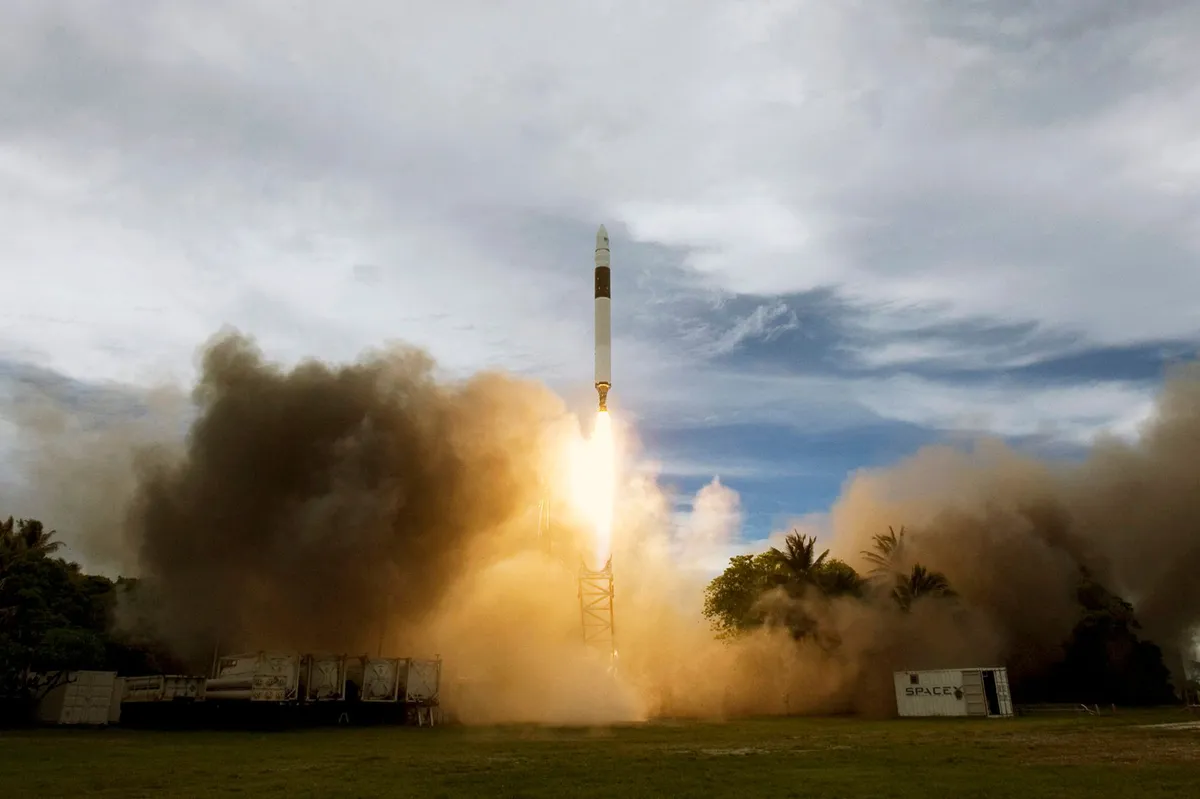
As the countdown to India's Vikram-1 rocket launch approaches, the global space industry is abuzz with anticipation. Scheduled for July 18, 2026, at 11:30 AM local time, this launch marks a significant milestone not just for Skyroot Aerospace but for India's burgeoning space sector. Designed to carry small satellites weighing up to 350 kg into low-Earth orbit, Vikram-1 aims to establish India as a competitive player in the commercial space launch market. This event is particularly momentous as it represents the first attempt by a commercially developed Indian rocket to reach orbit, a feat that could open the floodgates for future missions and innovations.
Meanwhile, the global landscape is rife with challenges and developments. SpaceX's recent attempt to launch its Starship rocket was aborted due to ignition failures, while Japan's space agency JAXA successfully tested its reusable RV-X rocket. As countries like Japan and China ramp up their launch ambitions, the competition for access to space is intensifying. This article delves into these developments, the implications for the space industry, and what stakeholders can expect moving forward.
The Significance of the Vikram-1 Launch
The Vikram-1 launch is more than just a technical test; it symbolizes a turning point for India's space ambitions. Skyroot Aerospace, co-founded by former ISRO engineers, aims to leverage indigenous technology to cater to the growing demand for small satellite launches. The rocket's design includes advanced features that have been rigorously tested on the ground, with CEO Pawan Kumar Chandana emphasizing the extensive preparations undertaken prior to this inaugural flight. This first mission will carry various payloads, including technology demonstrations from Grahaa Space, Cosmoserve, and Skyroot itself, showcasing India's capabilities in satellite technology.
Market Context
The global market for small satellite launches is burgeoning, with a projected value of approximately $7 billion by 2027. As more countries and private entities seek to capitalize on this market, the Vikram-1 launch could position India favorably. If successful, it could pave the way for additional missions and partnerships, especially as international interest in India's space capabilities grows.
Challenges for Global Space Players
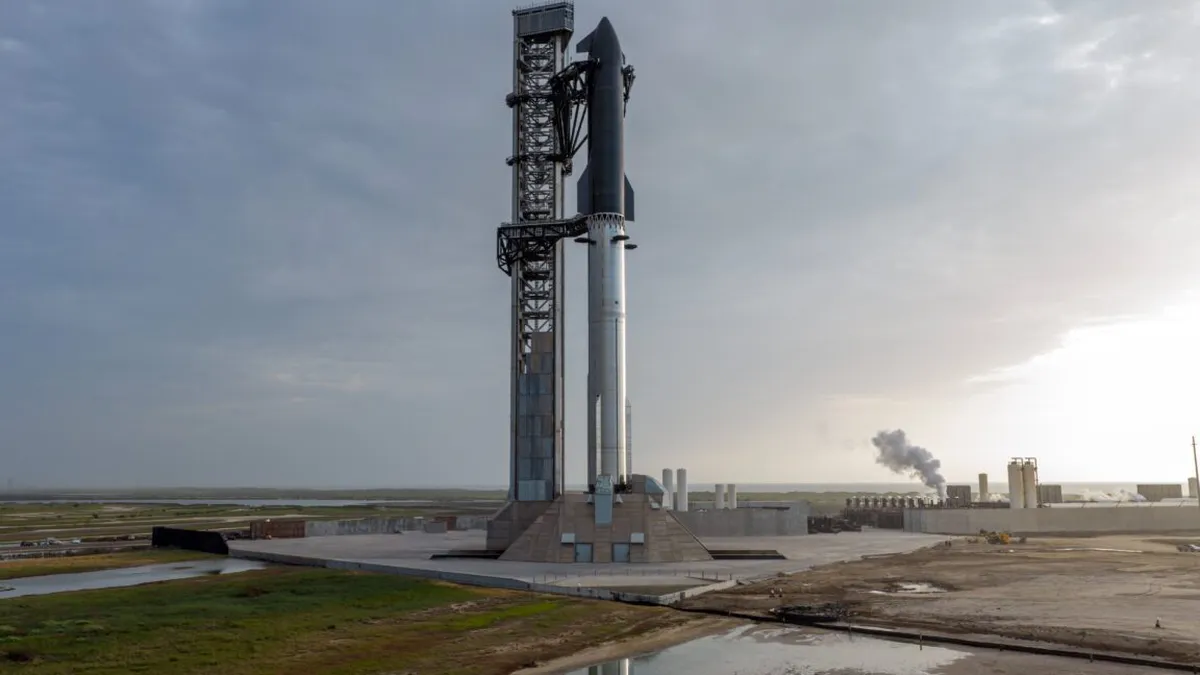
As the spotlight shines on Vikram-1, other global players are facing their own challenges. SpaceX’s Starship rocket, designed to carry significant payloads and facilitate missions to Mars, encountered ignition issues during its recent launch attempt. The company has yet to clarify whether the rocket will be repaired on-site or if it will require de-stacking for repairs, a process that could delay future launches. This incident underscores the inherent risks involved in rocket launches, where even minor technical glitches can lead to significant setbacks.
Japan's Ambitious Launch Goals
In contrast, Japan has set an ambitious target to increase the number of launches to 30 per year by the early 2030s. However, the nation has encountered its share of difficulties with recent launches, including failures with its H3 rocket and Kairos vehicle. To meet its targets, Japan plans to collaborate with foreign rocket companies and host launches for international payloads, potentially boosting its commercial launch portfolio.
International Developments in Reusable Rocket Technology
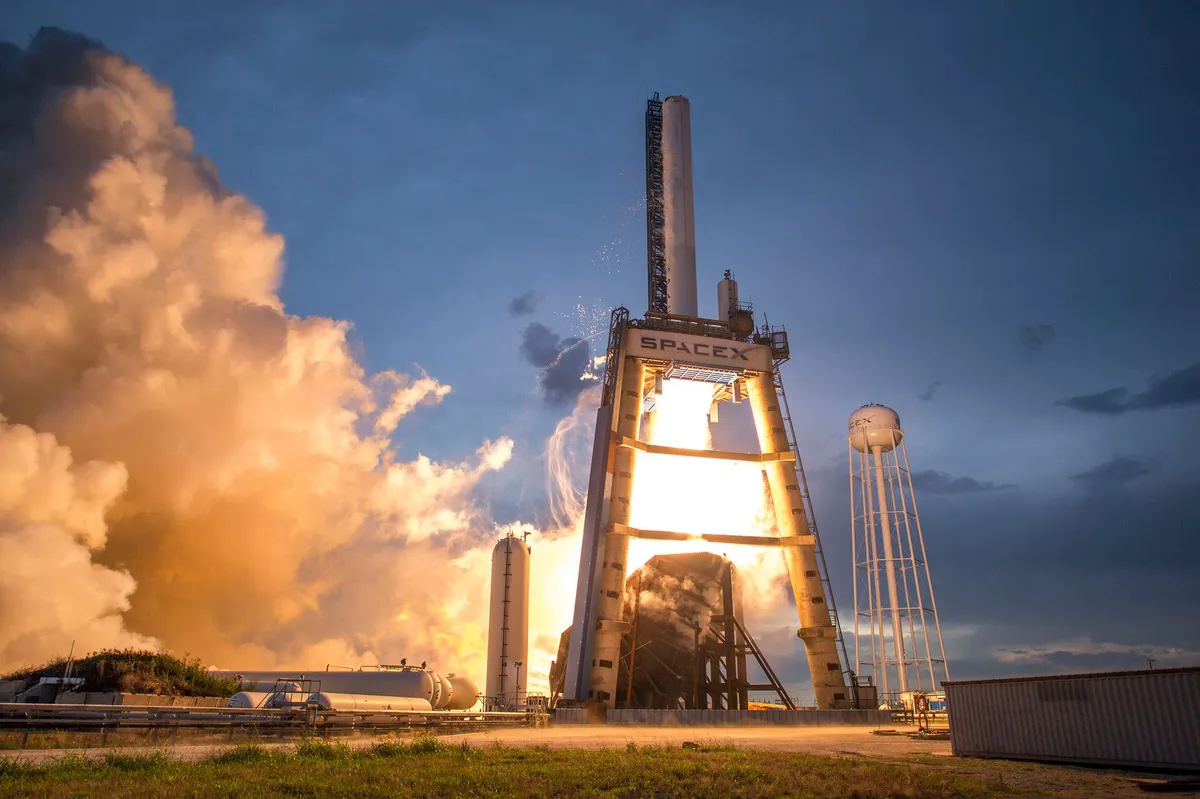
Reusability is a key focus in the current space race, with companies like SpaceX and Blue Origin leading the charge in developing rockets capable of returning safely to Earth. Recently, China made headlines by successfully landing a reusable booster from its Long March 10B rocket in the South China Sea, showcasing its advancements in rocket recovery technology. This achievement mirrors similar efforts by SpaceX, which has adopted innovative landing techniques to reuse its Falcon 9 boosters.
The Future of Reusable Rockets
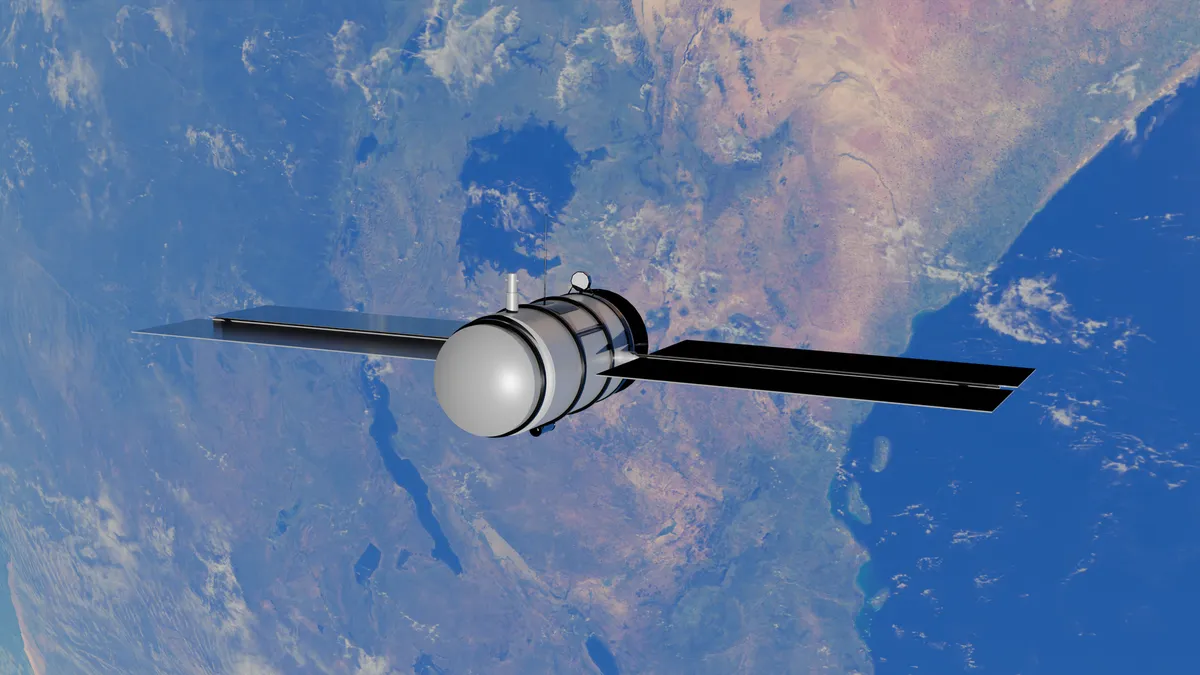
The implications of reusable rocket technology are profound. By reducing the cost of access to space, these advancements can encourage more frequent launches and facilitate the deployment of larger satellite constellations. As companies like AST SpaceMobile grapple with the logistics of launching their BlueBird satellites, the need for reliable and cost-effective launch solutions becomes paramount.
Impacts on the Commercial Launch Market
The growing competition in the commercial launch market is transforming the landscape for satellite deployment. Skyroot’s efforts to establish Vikram-1 as a viable launch option could encourage other nations to invest in their own space technologies, resulting in a more diversified and competitive market. This trend is compounded by the increasing demand for satellite services, driven by advancements in communications, Earth observation, and scientific research.
Strategic Partnerships and Acquisitions
As companies like AST SpaceMobile consider partnerships and acquisitions to secure additional launch capacity, the dynamic nature of the market is evident. With the potential for increased collaboration between private and public sectors, the landscape for satellite launches is likely to evolve rapidly. The need for reliable access to orbit is becoming a strategic priority for many firms, further emphasizing the importance of successful launches like Vikram-1.
Key Takeaways
- Vikram-1 Launch: Scheduled for July 18, 2026, this will be India's first commercial rocket launch aimed at orbit.
- Global Competition: SpaceX and Japan face challenges that highlight the risks associated with rocket launches.
- Reusable Rockets: China’s recent success in landing a reusable rocket signifies advancements in space recovery technologies.
- Commercial Launch Market: The demand for satellite launches is escalating, prompting companies to explore partnerships and acquisitions.
Frequently Asked Questions
What is the significance of the Vikram-1 launch for India?
The Vikram-1 launch is pivotal for India as it marks the country's first attempt to send a commercially developed rocket into orbit. This event not only demonstrates India's advancing technological capabilities but also positions the nation as a competitive player in the growing global market for small satellite launches. A successful mission could lead to increased opportunities for future launches and partnerships.
How do global challenges impact space exploration efforts?
Global challenges, such as technical failures and the need for reusability, significantly impact space exploration efforts. Incidents like the recent Starship ignition failure illustrate the complexities involved in rocket launches. These challenges prompt companies to innovate and refine their technologies while also potentially delaying planned missions and affecting investor confidence.
What trends are shaping the commercial launch market?
The commercial launch market is being shaped by several key trends, including the increased demand for satellite services, advancements in reusable rocket technology, and the emergence of new players in the field. As companies seek reliable and cost-effective launch solutions, collaborations and strategic partnerships are becoming more common, further diversifying the landscape.
Comments
The Rise of Inference Chips: General Compute Secures $400 Million Financing
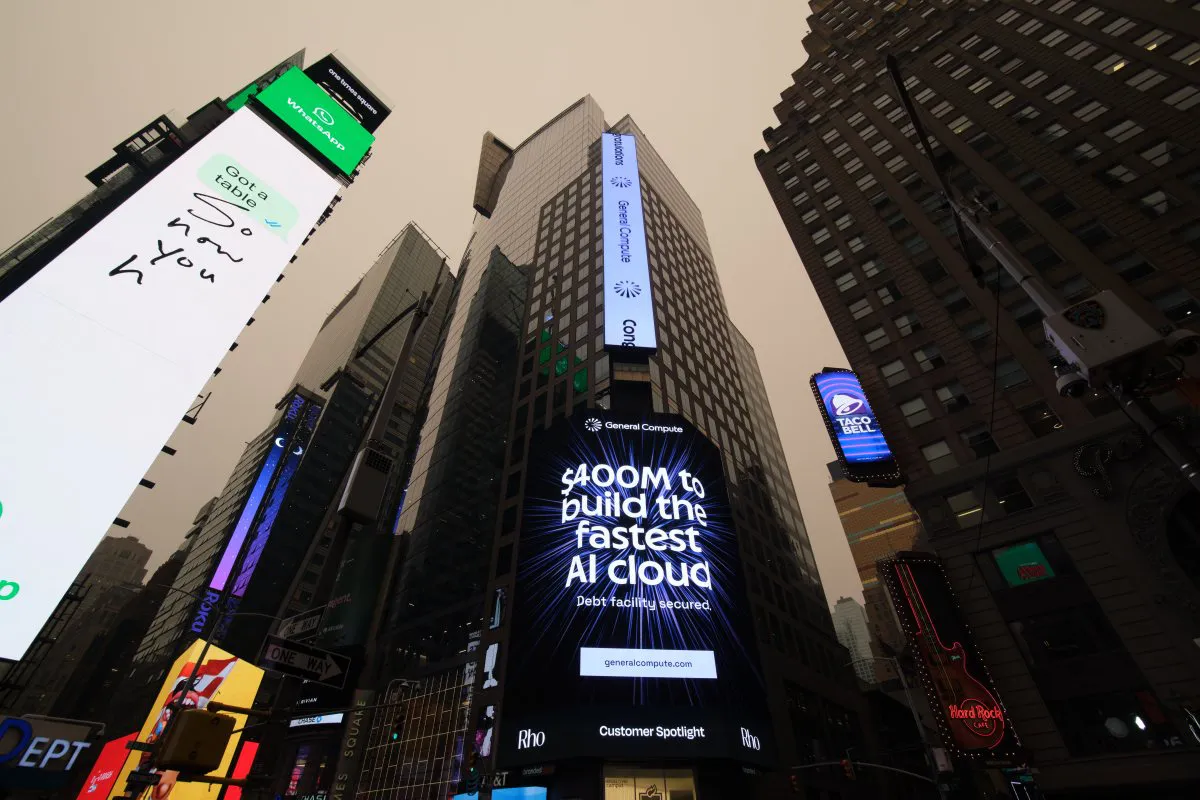
General Compute has secured a landmark $400 million loan to finance the production of inference chips, highlighting a shift in AI infrastructure financing. This move signals a growing trend towards cost-effective AI solutions as companies seek alternatives to traditional GPU-centric models.
Related articles
Popular in Cloud Computing
- SK Hynix's Historic $26.5 Billion IPO: A New Era for Memory Chips
- Kubernetes and the Future of Desktop Infrastructure: A Paradigm Shift
- Amazon Expands Partnership with Nvidia, Tripling GPU Orders Amid AI Demand Surge
- Elon Musk's Evolving Relationship with Anthropic: A New Era for AI Hosting
- Emerging Rocket Launches: A New Era for Space Exploration