Crew Dragon's Future: A Looming Crisis for Human Spaceflight?
As the availability of SpaceX's Crew Dragon comes into question, industry experts warn of potential crises in human spaceflight. With other options lagging behind, the need for alternative crew transport solutions is urgent.
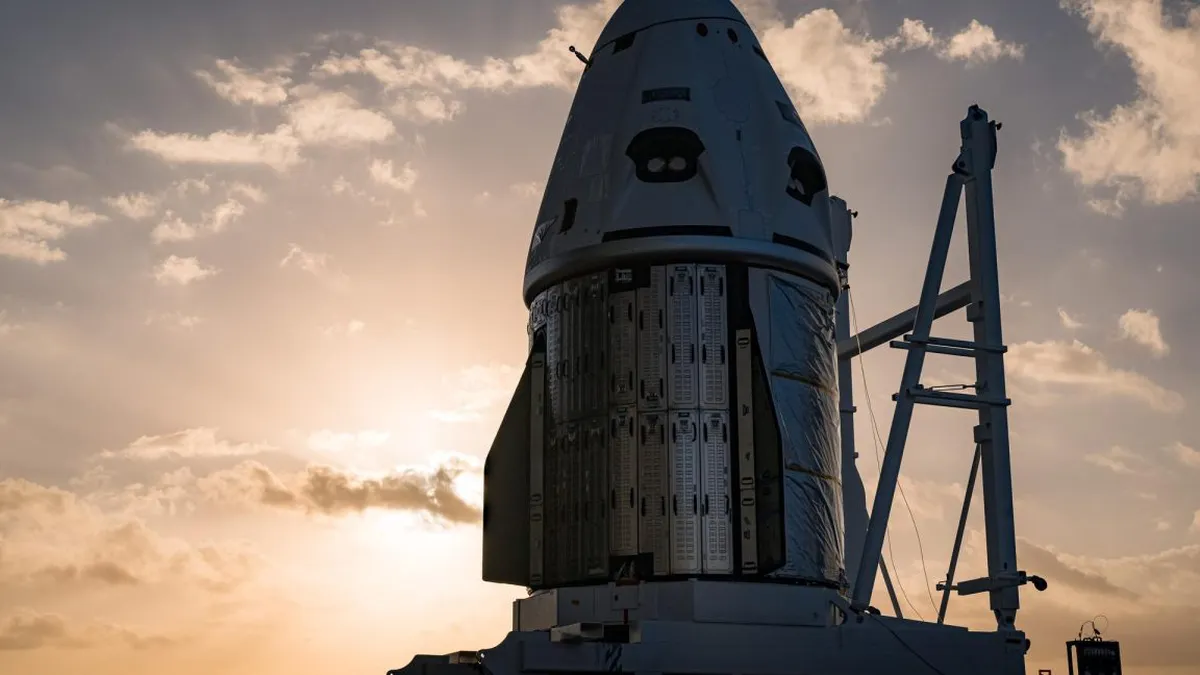
The recent concerns surrounding SpaceX's Crew Dragon vehicle have ignited discussions among industry experts about the future of human spaceflight. Since its successful launch of NASA astronauts to the International Space Station (ISS) in 2020, Crew Dragon has represented a significant milestone for U.S. space endeavors, filling a void left by the retirement of the Space Shuttle program. However, as the program matures, critical questions regarding the long-term availability and reliability of Crew Dragon are emerging, raising alarms about potential gaps in crew transportation for upcoming private space stations.
As NASA shifts its focus toward facilitating commercial space stations and transitioning away from reliance on the ISS, the stakes are high. The looming retirement of the ISS in the 2030s has intensified the need for a dependable crew transport vehicle. Industry stakeholders are increasingly apprehensive that without a second reliable option, the future of human space travel could be jeopardized.
The Commercial Crew Program: A Dual Provider Strategy
NASA's Commercial Crew Program, initiated in 2010, was designed to revive U.S. capabilities for crewed spaceflight through partnerships with private companies. SpaceX and Boeing were selected for this initiative, with contracts worth billions intended to develop safe, cost-effective transportation to low-Earth orbit. SpaceX delivered on its promise early with Crew Dragon, but Boeing’s Starliner has faced significant setbacks, including a recent test flight that was classified as a Type A mishap.
The Implications of Boeing's Delays
Boeing's inability to launch a successful crewed test flight raises concerns about the future of its Starliner program. Currently, industry insiders estimate that Boeing may not be prepared to fly another crewed mission until 2028, a timeline that could create a critical gap in available crew transport solutions. With the ISS scheduled for retirement in the early 2030s, the urgency for a second reliable crew vehicle has never been greater.
Availability Challenges Ahead
Despite its successful track record, the future availability of Crew Dragon is uncertain. SpaceX President Gwynne Shotwell has indicated that the company’s focus will gradually shift to its Starship vehicle, which, while promising, may not be ready for crewed missions before the mid-2030s. The question of sustaining Crew Dragon operations looms large, particularly as SpaceX plans to transition much of its launch activity to Starship.
The Cost of Dependency
The financial implications of this transition are also troubling. While Crew Dragon pricing remains undisclosed, industry sources suggest that costs have already escalated in recent years. As private space station companies weigh their options, many find themselves in a precarious position: they depend heavily on Crew Dragon for transporting astronauts, yet they face uncertainty around both availability and costs.
- Reliability Concerns: Crew Dragon has flown nearly 20 successful missions, establishing a robust safety record.
- Cost Escalation: Rising costs for Crew Dragon services could impact budget planning for private space station operators.
- Limited Alternatives: Boeing's Starliner is not yet operational, and other competitors are in nascent stages.
Exploring Alternatives: The Competition Landscape
While Crew Dragon is currently the leading option for crew transport, the landscape is evolving. Boeing’s Starliner remains a potential player, yet its uncertain timeline and reliability issues cast doubt on its viability. Additionally, Blue Origin has been developing its crewed vehicle to be launched atop the New Glenn rocket, although public information about its progress is sparse.
Emerging Competitors from Europe
Interestingly, a new contender has emerged from Europe. The Exploration Company, led by founder Hélène Huby, is establishing a base in Texas with ambitions to develop a crewed spacecraft. With backing from the European Space Agency, the company aims to create a vehicle that could complement existing options and address the pressing demand for crew transport as the ISS era comes to a close.
Huby’s vision includes not just developing a cargo vehicle but also a crewed spacecraft that could be operational by the late 2020s. Her proactive approach, coupled with existing relationships in the U.S. space industry, positions her company as a potential game-changer in the evolving landscape of human spaceflight.

Industry Voices: A Call for Action
The overarching sentiment among industry experts is one of urgency. Many believe that reliance on a single vehicle for crew transport poses a significant risk to the future of human spaceflight. There is a strong consensus that the U.S. space industry needs more competition to ensure reliability, safety, and cost-effectiveness.
Stakeholder Perspectives
Industry insiders have voiced concerns about the implications of a Crew Dragon monopoly. As one source put it, "It’s a disaster waiting to happen.” The heavy reliance on a single provider could create vulnerabilities in mission planning and execution, especially as NASA and private companies venture into new frontiers of human space exploration.

Key Takeaways
- Reliance on Crew Dragon: The future of crew transport is heavily reliant on Crew Dragon, which may face availability issues as SpaceX shifts focus to Starship.
- Uncertain Alternatives: Boeing's Starliner and Blue Origin’s crewed vehicle are still in development, with uncertain timelines and reliability.
- Emerging Players: New contenders like The Exploration Company could provide necessary competition, but significant investment and time are needed.
Frequently Asked Questions
What are the implications of relying solely on Crew Dragon for crew transport?
Relying exclusively on Crew Dragon creates a significant risk for the future of crewed missions, particularly as the ISS approaches retirement. Should Crew Dragon face operational challenges or delays, it could result in mission cancellations or gaps in transportation, affecting both NASA and private space companies relying on timely access to low-Earth orbit.
When is Boeing expected to launch Starliner?
Boeing’s Starliner is currently not expected to conduct another crewed mission until at least 2028. With ongoing technical challenges and a lack of clear commitment from Boeing to prioritize the program, the timeline remains fluid and uncertain, raising concerns about its long-term viability as a competitor to Crew Dragon.
What role could The Exploration Company play in the future of crew transport?
The Exploration Company aims to develop a crewed spacecraft to fill the gaps left by current providers like SpaceX and Boeing. If successful, it could become a critical player in the crew transport sector, providing additional options for NASA and private space stations, thereby fostering competition that could enhance reliability and reduce costs.
Comments
Kubernetes and the Future of Desktop Infrastructure: A Paradigm Shift
Kubernetes is reshaping desktop infrastructure by integrating it with cloud-native principles, addressing operational challenges, and enhancing security in enterprise environments.

Related articles
Popular in Cloud Computing
- SK Hynix's Historic $26.5 Billion IPO: A New Era for Memory Chips
- Kubernetes and the Future of Desktop Infrastructure: A Paradigm Shift
- Amazon Expands Partnership with Nvidia, Tripling GPU Orders Amid AI Demand Surge
- Elon Musk's Evolving Relationship with Anthropic: A New Era for AI Hosting
- Emerging Rocket Launches: A New Era for Space Exploration