Waymo Expands Robotaxi Operations to Munich: A New Frontier in Autonomous Mobility
Waymo is set to launch its robotaxi service in Munich, marking a significant step forward in autonomous vehicle technology in Europe. This article explores the implications of this expansion, the regulatory landscape, and the competitive environment in the autonomous mobility sector.
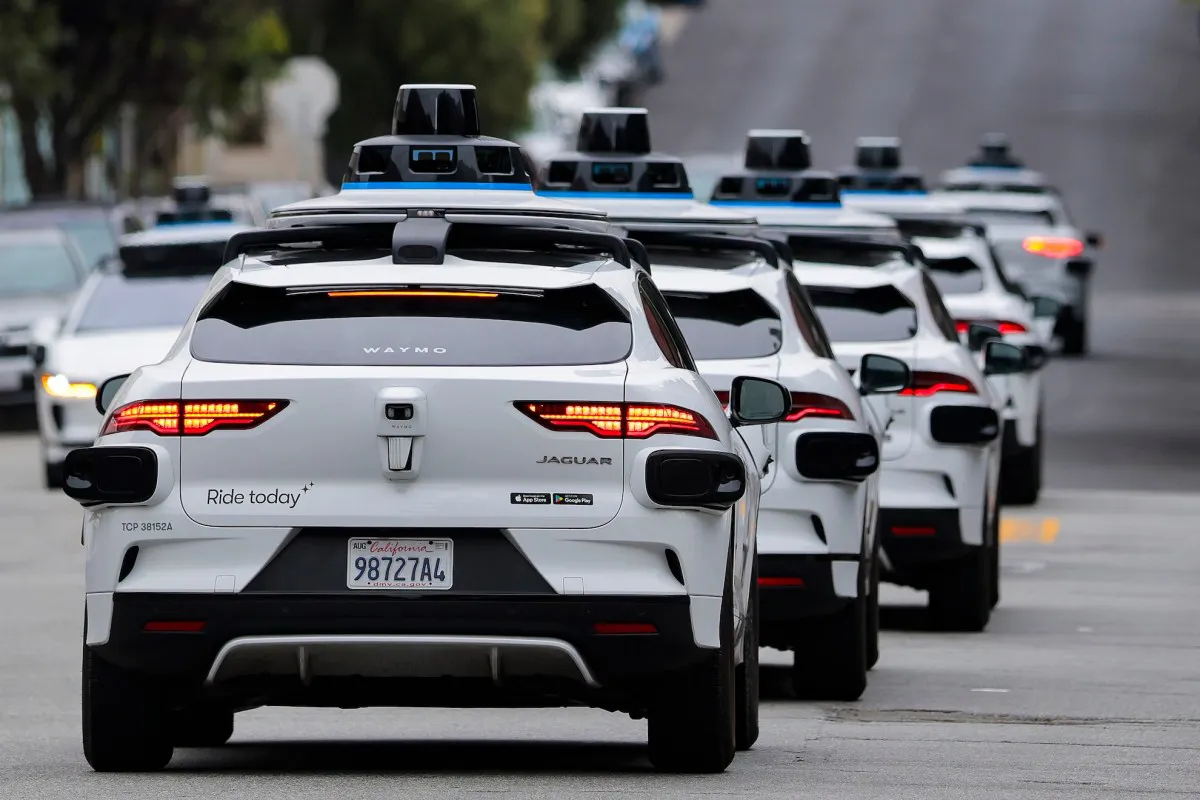
In a bold move that underscores its commitment to global expansion, Waymo, the autonomous vehicle subsidiary of Alphabet, has announced plans to launch its robotaxi service in Munich, Germany. This development comes just months after the establishment of a local entity in the country, signaling Waymo's intent to tap into the rapidly evolving European market for autonomous mobility. However, the road ahead is fraught with challenges, including stringent regulatory requirements and the need for comprehensive mapping and testing before commercial operations can commence.
Waymo's approach to entering new markets typically involves a phased strategy, beginning with the manual mapping of local streets. Following this, the company tests its autonomous vehicles with human safety drivers present, gradually moving towards fully driverless operation. This careful methodology has been demonstrated in Waymo's other markets, where it has successfully implemented similar services. The Munich operation is expected to follow this blueprint, ensuring safety and compliance with local regulations as it prepares for a full-scale launch.
The Regulatory Landscape: A Complex Challenge
Germany has been at the forefront of legislative efforts to integrate autonomous vehicles into public life. In 2017, the country became the first in the European Union to adopt laws specifically allowing driverless cars on public roads. This legal framework is designed to facilitate the testing and deployment of Level 4 autonomous vehicles—those capable of operating without human intervention in specific conditions.
Currently, Waymo does not hold any permits to operate in Germany, but it is working closely with the Federal Motor Transport Authority (KBA) and local officials to navigate the regulatory landscape. Level 4 autonomy, as defined by the Society of Automotive Engineers (SAE), allows for complete vehicle autonomy without the expectation of human driver intervention under defined operational conditions, making it a significant milestone in the journey toward fully autonomous transportation.
Existing Permits and Competition
While Waymo gears up for its entry into the German market, several other companies are already testing their autonomous vehicles in the country. According to the KBA, firms like Mobileye and Volkswagen have secured the necessary permits, showcasing Germany's status as a hotspot for autonomous vehicle development. In contrast, most of the other players, including the U.K.-based Wayve and Israel's Autobrains, hold Level 3 permits, which allow for conditional automated driving but still require a human driver to take over under certain circumstances.
Strategic Expansion: The Munich Launch
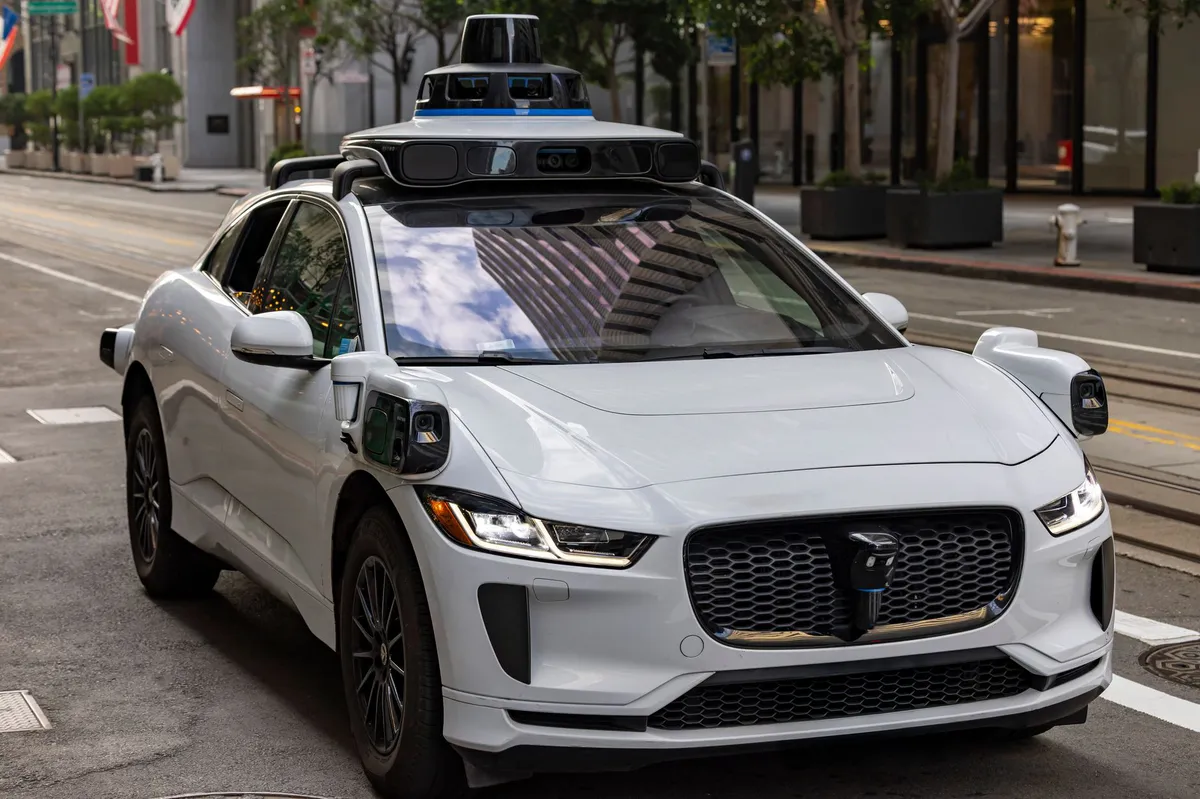
Waymo's decision to launch in Munich is part of a broader strategy to establish a foothold in European markets. This follows the company's announced plans for a commercial robotaxi service in London, which is expected to launch in 2026. The competitive landscape in London includes other tech giants, such as Uber and Wayve, as well as Chinese tech company Baidu, which is testing its autonomous vehicles in partnership with local firms like Lyft and Freenow.
Waymo’s entry into Germany is not just about establishing a new service; it is also an opportunity to leverage its extensive experience in the autonomous vehicle space. With over a decade of research and development, the company is well-equipped to navigate the complexities of the European market. The experience gained in operating successfully in cities like San Francisco, Phoenix, and Los Angeles will be invaluable as Waymo adapts its technology and approach to meet the unique demands of Munich's urban environment.

Challenges Ahead: Mapping and Testing
Before it can roll out its robotaxi service to the general public, Waymo must undertake a significant amount of mapping and testing in Munich. This process involves manually driving vehicles through the city to gather data on traffic patterns, pedestrian behavior, and local infrastructure. This step is crucial for ensuring that the autonomous systems can operate safely and effectively in the urban landscape.
Once mapping is complete, Waymo will enter the testing phase, where human safety drivers will be present in the vehicles. This stage allows for real-world testing of the autonomous systems under various conditions, enabling engineers to refine algorithms and address any issues that arise. The ultimate goal is to remove human drivers from the equation entirely, provided that regulatory approvals are secured and safety benchmarks are met.
The Path to Commercial Operations
Waymo has indicated that it aims to open its robotaxi service to limited operations by late 2027, depending on regulatory approval. Initial services may be restricted to specific areas or times, allowing the company to gradually scale its operations while ensuring safety and compliance with local laws. Full-scale commercial operations will follow once the company demonstrates its ability to operate safely in real-world conditions.

Key Takeaways
- Waymo is launching a robotaxi service in Munich, aiming for commercial operations by late 2027.
- The company will follow a phased approach, starting with mapping and testing.
- Germany's regulatory framework facilitates Level 4 autonomous vehicle testing, positioning it as a leader in the EU.
- Waymo faces competition from established players like Mobileye and Volkswagen, as well as emerging companies in the UK and China.
Frequently Asked Questions
What is Level 4 autonomy, and how is it different from Level 3?
Level 4 autonomy refers to a vehicle's ability to operate without human intervention in specific conditions. This means that the vehicle can handle all driving tasks in defined environments, such as urban areas, without requiring a human driver to take over. In contrast, Level 3 autonomy allows the vehicle to manage driving tasks under certain conditions, but a human must be prepared to intervene when needed. This distinction is crucial for understanding the regulatory and operational landscape for autonomous vehicles.
How does Waymo's mapping process work?
Waymo's mapping process involves manually driving vehicles throughout the city to gather data on roads, traffic patterns, and obstacles. This data is then used to create high-definition maps that inform the vehicle's navigation systems. The mapping phase is essential for ensuring that the autonomous systems can make informed decisions in real time, adapting to the dynamic nature of urban driving.
What regulatory hurdles does Waymo face in Germany?
Waymo must navigate a complex regulatory landscape in Germany, working closely with the Federal Motor Transport Authority (KBA) and local authorities to secure the necessary permits for operation. This includes demonstrating compliance with safety standards and proving the effectiveness of its autonomous systems in real-world conditions. The regulatory process is critical for ensuring public safety and building trust in autonomous technology.
What are the implications of Waymo's expansion for the autonomous vehicle market?
Waymo's expansion into Munich represents a significant development in the global autonomous vehicle market. It highlights the growing acceptance of autonomous technology in Europe and sets the stage for increased competition among existing players. As Waymo and other companies like Baidu and Uber ramp up their efforts in international markets, we can expect rapid advancements in technology, regulatory frameworks, and public perception of autonomous mobility.
Comments
SpaceX Expands Ambitions with $100B Starbase in Louisiana
SpaceX has announced plans for a second spaceport in Louisiana, a $100 billion investment aimed at launching its Starship mega-rocket. This venture will create thousands of jobs and could redefine the future of space exploration.
Related articles

Popular in Cloud Computing
- SK Hynix's Historic $26.5 Billion IPO: A New Era for Memory Chips
- Kubernetes and the Future of Desktop Infrastructure: A Paradigm Shift
- Amazon Expands Partnership with Nvidia, Tripling GPU Orders Amid AI Demand Surge
- Elon Musk's Evolving Relationship with Anthropic: A New Era for AI Hosting
- Emerging Rocket Launches: A New Era for Space Exploration