Revolutionizing Energy: Solid-State Transformers and the Data Center Boom
Solid-state transformers are set to transform the energy landscape, particularly within the booming AI data center sector. This article explores their benefits, challenges, and the future of energy distribution.
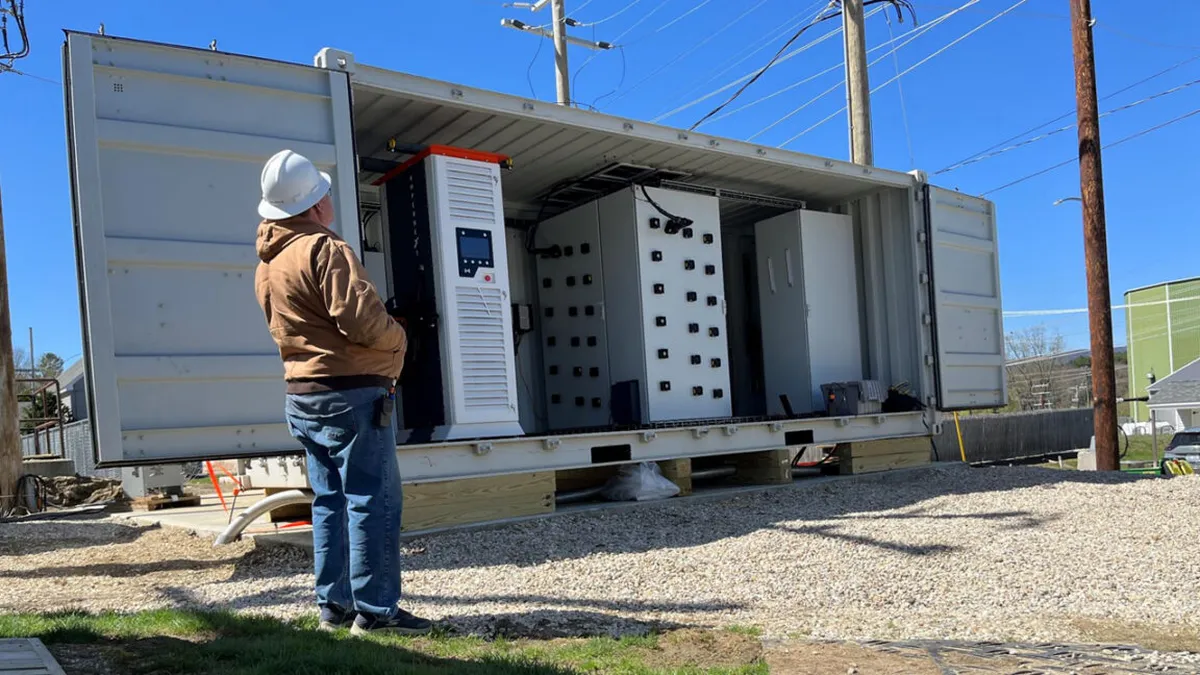
The energy demands of modern society are evolving at an unprecedented pace, particularly with the explosive growth of AI data centers. As these facilities become the backbone of our digital economy, they are also straining existing power grids, leading to a pressing need for innovative solutions. Enter solid-state transformers (SSTs), a cutting-edge technology poised to revolutionize how we manage electrical power—especially in the context of data centers. This article delves into the significance of solid-state transformers, their myriad applications, the challenges that lie ahead, and why their adoption in data centers is a game-changer.
The Rise of Data Centers and Their Energy Demands
Data centers have become the epicenter of our technological infrastructure, supporting everything from cloud computing to artificial intelligence. According to recent estimates, data centers account for approximately 2-3% of global electricity consumption, a figure that is projected to grow as more businesses transition to digital operations. As the demand for computing power escalates, so too does the need for reliable and efficient energy solutions.
Traditional power transformer technology is reaching its limits. Most current transformers were designed over a century ago and are labor-intensive to manufacture. They are typically custom-built for utility companies, which leads to significant delays in deployment—sometimes extending to several years. This bottleneck not only hampers infrastructure upgrades but also poses a risk to the stability of the power grid, especially as more data centers come online.
What Are Solid-State Transformers?
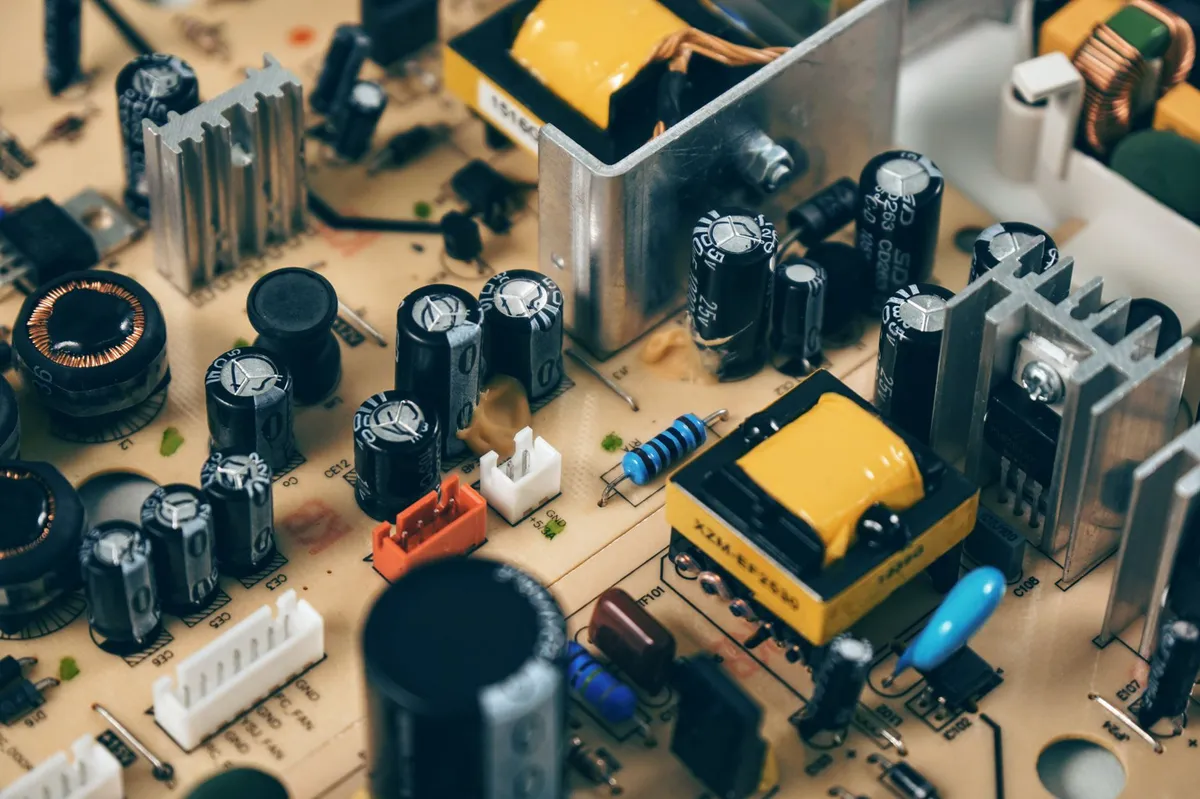
Solid-state transformers represent a paradigm shift in power electronics. Unlike conventional transformers that rely on bulky copper wire coils and steel cores, SSTs use advanced semiconductor materials such as silicon carbide. This allows for voltage conversion through high-frequency switching, making them smaller, lighter, and more efficient.
Key Advantages of Solid-State Transformers
- Compact Size: SSTs can fit into smaller spaces, allowing data centers to maximize available real estate.
- Modular Design: Their designs enable easy upgrades and replacements, reducing downtime and maintenance costs.
- Direct Current Compatibility: SSTs can convert alternating current (AC) to direct current (DC) with ease, making them ideal for modern data centers that use energy-intensive AI chips.
- Mass Production: Unlike traditional transformers, SSTs can be mass-manufactured, potentially alleviating supply chain issues.
As Srdjan Lukic, a professor of electrical and computer engineering at North Carolina State University, notes, solid-state transformers act as a “magic box” that simplifies infrastructure needs within data centers. They centralize control functions, eliminating many interoperability challenges faced in traditional setups.
The Economic Impact of Solid-State Transformers
The financial implications of adopting solid-state transformers extend beyond the immediate benefits of energy efficiency. For instance, companies such as Amperesand, Heron Power, and DG Matrix have recently raised over $280 million to accelerate the commercialization of SST technology. This influx of capital underscores the growing recognition of SSTs as a viable solution to ongoing energy challenges.
Moreover, the reduced material requirements for SSTs translate to lower costs in both production and installation. Given the current volatility of copper prices—which can fluctuate dramatically based on market conditions—this can result in substantial savings for data center operators. With the ability to mass-produce these transformers, the market could see more competitive pricing, which is critical as the demand for energy-efficient solutions continues to rise.
Applications Beyond Data Centers
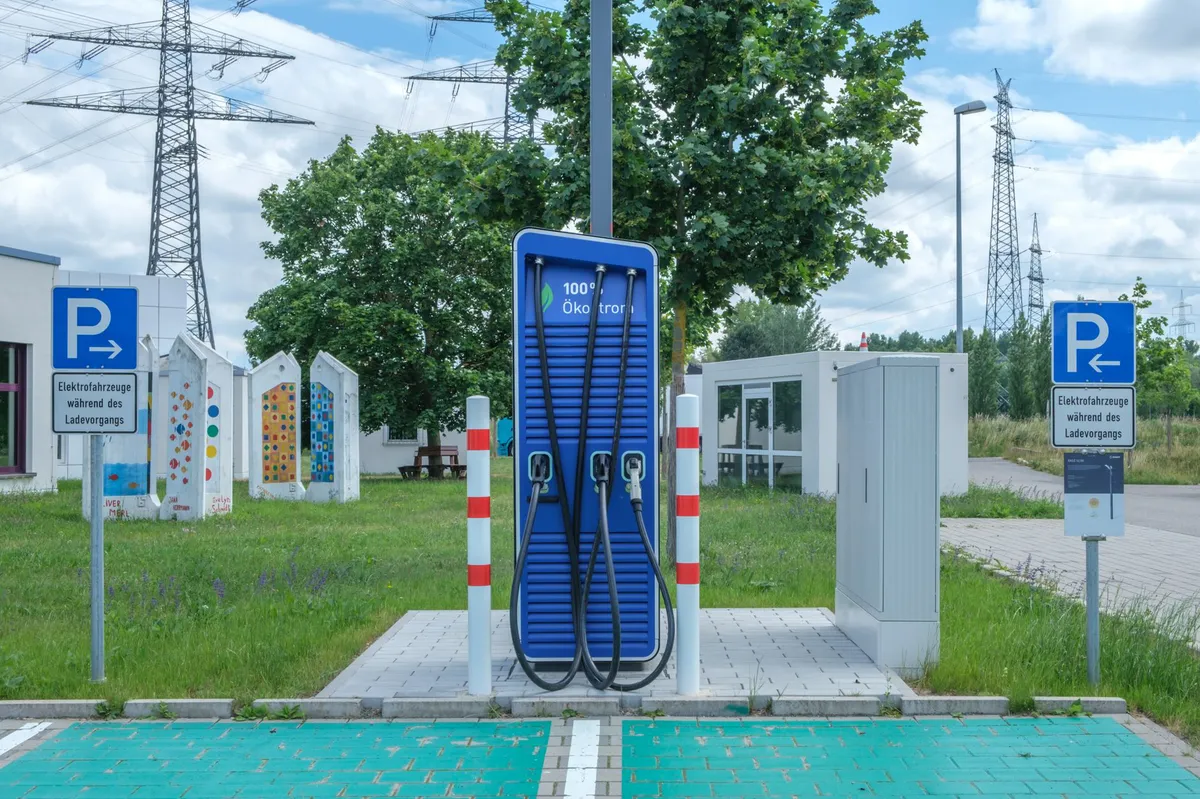
While data centers may currently be the primary driver for solid-state transformer development, their applications extend far beyond the tech industry. For example, electric vehicle (EV) charging stations, which also predominantly utilize DC power, can benefit immensely from this technology. Recent demonstrations have shown that SSTs can manage up to 1 megawatt of power for EV charging, effectively handling both the necessary voltage conversions and power distribution.
Looking further ahead, the potential for solid-state transformers in residential settings is significant. As more appliances and devices transition to DC power, the ability to distribute DC electricity efficiently within homes could streamline energy management and reduce conversion losses, ultimately leading to lower energy bills for consumers.
Challenges Ahead for Solid-State Transformers
Despite the promise of solid-state transformers, several hurdles must be overcome before widespread adoption can occur. Engineering challenges remain, particularly in optimizing the technology for various applications. The current prototypes, while promising, are still undergoing rigorous testing to ensure reliability and efficiency under different conditions.
Moreover, there is a substantial need for regulatory frameworks that address the integration of new technologies into existing electrical infrastructures. As with any innovative technology, stakeholders—including utility companies, regulators, and technology developers—must collaborate to create standards that facilitate the safe and effective deployment of SSTs.
Key Takeaways
- Solid-state transformers are revolutionizing power management in data centers, allowing for greater efficiency and reduced space requirements.
- The technology is well-positioned to address the growing power demands from AI and cloud computing.
- Beyond data centers, SSTs have vast applications in electric vehicle charging and residential energy distribution.
- While promising, significant engineering and regulatory challenges must be addressed for mass adoption.
Frequently Asked Questions
What is the main advantage of solid-state transformers over traditional transformers?
The primary advantage of solid-state transformers is their ability to efficiently convert power with a smaller physical footprint and modular design. This results in reduced material costs, faster production times, and compatibility with the direct current requirements of modern data centers and electric vehicles.
How can solid-state transformers impact the electric vehicle industry?
Solid-state transformers can significantly enhance the efficiency of electric vehicle charging stations by allowing for direct AC to DC conversion, which is essential for charging EV batteries. Their compact design and modularity also enable faster installations, which could facilitate the rapid expansion of charging infrastructure.
Are there any environmental benefits to using solid-state transformers?
Yes, solid-state transformers can help reduce the overall carbon footprint of energy distribution. Their efficiency in converting electricity minimizes energy losses, leading to lower energy consumption. Additionally, by reducing the need for copper and other materials, SSTs can help decrease the environmental impact associated with traditional transformer manufacturing.
Comments
Popular in Cloud Computing
- SK Hynix's Historic $26.5 Billion IPO: A New Era for Memory Chips
- Kubernetes and the Future of Desktop Infrastructure: A Paradigm Shift
- Amazon Expands Partnership with Nvidia, Tripling GPU Orders Amid AI Demand Surge
- Elon Musk's Evolving Relationship with Anthropic: A New Era for AI Hosting
- Emerging Rocket Launches: A New Era for Space Exploration