Innovations in Data Center Cooling: Can Urine Be a Solution?
A humorous campaign by Liquid Death raises serious questions about water use in data centers. As AI demands skyrocket, innovative cooling solutions, including recycled water and alternative sources, are becoming essential for sustainability.

In a world where technology is evolving at breakneck speed, the environmental footprint of our digital infrastructure has become a hot topic. Recently, a cheeky marketing campaign by Liquid Death, featuring former Philadelphia Eagles star Jason Kelce, humorously suggested that our urine could cool data centers. While the commercial is amusing, it inadvertently highlights a critical issue: the enormous water consumption of data centers, particularly as artificial intelligence (AI) technology becomes increasingly prevalent.
Data centers are the backbone of the internet, powering everything from social media platforms to cloud computing services. However, their insatiable thirst for water to cool servers poses significant environmental challenges. According to industry experts, the demand for water in AI-powered data centers can reach staggering levels, leading to a need for innovative and sustainable solutions.
The Water Challenge in Data Centers
Data centers require massive amounts of water to prevent servers from overheating, consuming millions of gallons each day. Michael Obradovitch, vice president of Data Center Global Accounts at Ecolab, points out that while the Liquid Death campaign is humorous, it touches on a genuine concern: the wastefulness of water in cooling systems. In a time when climate change is a pressing global issue, the excessive consumption of potable water by data centers is drawing scrutiny.
Understanding the Cooling Systems
Data centers typically utilize various cooling methods, including:
- Evaporative Cooling: This method involves passing hot air through water. As the water evaporates, it absorbs heat, cooling the surrounding air.
- Chilled Water Systems: These systems circulate chilled water through cooling coils to absorb heat from the servers.
- Direct Liquid Cooling: This approach involves directly cooling server components with liquid coolant.
Each of these methods relies heavily on significant water resources, prompting the need for alternative solutions. The Liquid Death campaign humorously suggests collecting urine for cooling, but this idea, while entertaining, is not practical. Instead, the focus is shifting toward recycled water and other non-potable sources.

Recycled Water: A Viable Solution
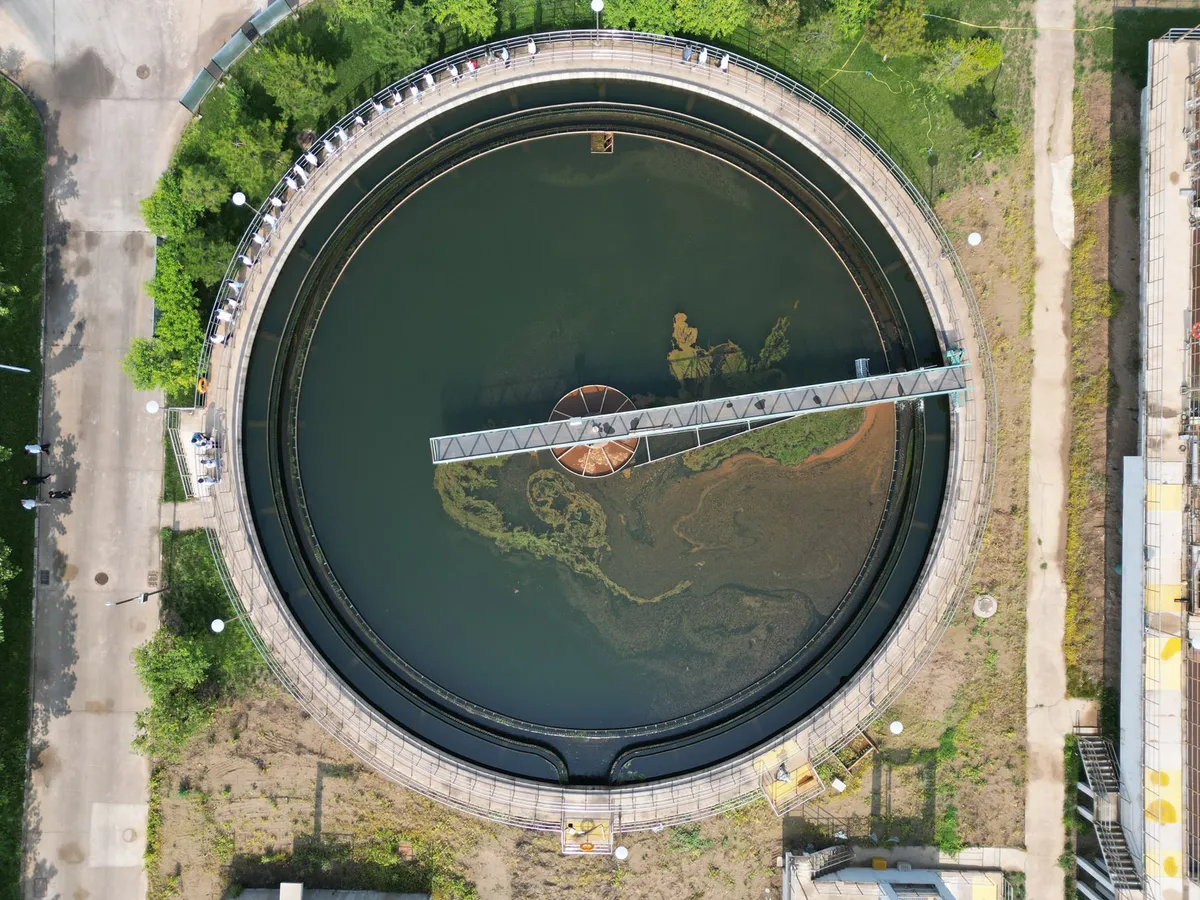
Recycled water has emerged as an essential resource for cooling data centers. Wastewater treatment facilities can process sewage and wastewater to create water safe for industrial use, thereby reducing the reliance on potable water supplies. Bruno Pigott, executive director of the WateReuse Association, emphasizes the importance of treating wastewater to make it suitable for cooling systems. While urine itself is not directly used, the concept of recycling water from various sources, including human waste, is gaining traction.
How Water Treatment Works
The process of recycling water typically involves several stages:
- Membrane Bioreactors: These systems use biological processes to break down organic matter, followed by filtration to remove impurities.
- Reverse Osmosis: This process uses a semipermeable membrane to separate contaminants from water, producing clean water.
- Ultraviolet Light Treatment: UV light is used to disinfect water, ensuring that harmful microorganisms are eliminated.
These technologies, while sophisticated, require significant infrastructure and investment. For data centers to effectively use recycled water, they must be located near adequate wastewater treatment facilities capable of processing the necessary volumes.
Infrastructure Challenges
As data centers proliferate, especially in regions like Loudoun County, Virginia, which hosts over 250 data centers, the demand for water has reached alarming levels. Despite using around 200 million gallons of recycled water daily, it accounts for only 43% of total data center water consumption in the area. The remaining 57% comes from potable supplies, underscoring the urgent need for improved infrastructure.
Building Sustainable Solutions
Dr. Greta Zornes, a practice leader for water reuse at CDM Smith, notes that transitioning to recycled water is not solely a technical challenge but also an infrastructure one. Many rural areas lack the necessary wastewater treatment facilities to provide the volume of recycled water required by large data centers. As a result, the industry must invest in developing these facilities to support sustainable practices.
Moreover, companies like Meta are recognizing their role in this transformation. With plans to invest at least $270 million in wastewater infrastructure projects, Meta is positioning itself as a leader in sustainable data center operations. Obradovitch believes that data centers could serve as anchors for water infrastructure, helping communities address their water management challenges.
Legislative Support for Water Reuse
On the policy front, advocates like Pigott are pushing for legislation that incentivizes industries to adopt recycled water practices. A proposed tax credit of 30% could significantly accelerate the adoption of recycled water infrastructure across various sectors. By providing financial incentives, lawmakers can encourage businesses to invest in sustainable practices that reduce their environmental impact.
Public Perception and Awareness
The Liquid Death campaign, while humorous in tone, has sparked important conversations about water usage in data centers. A Gallup poll indicates that a significant portion of the American public opposes the establishment of data centers in their communities due to concerns over water consumption and environmental impact. As the tech industry faces increasing scrutiny, it is crucial to educate the public about the steps being taken to mitigate these challenges.
As Pigott aptly noted, any awareness raised about water conservation is beneficial. The conversation surrounding recycled water and alternative sources for data center cooling is a vital step toward a more sustainable future.
Key Takeaways
- Data centers consume massive amounts of water for cooling, with some locations relying heavily on potable supplies.
- Recycled water is emerging as a viable solution, but infrastructure challenges must be addressed.
- Legislative support and financial incentives are crucial for accelerating the adoption of sustainable water reuse practices.
- Public awareness campaigns can help educate communities about the environmental impact of data centers and promote sustainable practices.
Frequently Asked Questions
Why are data centers such large consumers of water?
Data centers require significant water resources for cooling systems to prevent overheating of servers. The heat generated by these data centers necessitates constant cooling, leading to their high water consumption rates. Traditional cooling methods often rely on potable water, exacerbating environmental concerns.
Can urine be used directly to cool data centers?
While the humorous notion of using urine to cool data centers is entertaining, it is impractical due to the contaminants present in urine. Instead, the focus is on treating wastewater to create clean, recycled water suitable for industrial use, which offers a more feasible solution for cooling data centers.
What is the role of infrastructure in promoting recycled water use?
Infrastructure is crucial for enabling the use of recycled water in data centers. Adequate wastewater treatment facilities must be available to process the necessary volumes of water. Without the proper infrastructure, data centers may struggle to transition to recycled water sources effectively.
How can legislation support the adoption of recycled water practices?
Legislative measures, such as tax credits for industries that invest in recycled water infrastructure, can incentivize businesses to adopt sustainable practices. By reducing the financial burden, lawmakers can promote the widespread use of recycled water, ultimately benefiting the environment and local communities.
Comments
Micro1's Meteoric Rise: The New Frontier in AI Training Data
Micro1, an AI data startup, has skyrocketed to a $500 million gross run rate amid soaring demand for AI training data. This article explores the implications of its rapid growth and the evolving landscape of AI data services.

Related articles
Popular in Cloud Computing
- SK Hynix's Historic $26.5 Billion IPO: A New Era for Memory Chips
- Kubernetes and the Future of Desktop Infrastructure: A Paradigm Shift
- Amazon Expands Partnership with Nvidia, Tripling GPU Orders Amid AI Demand Surge
- Elon Musk's Evolving Relationship with Anthropic: A New Era for AI Hosting
- Emerging Rocket Launches: A New Era for Space Exploration