Anthro Energy's New Factory: A Game Changer for Solid-State Batteries
Anthro Energy's groundbreaking factory in Kentucky aims to revolutionize solid-state battery production, boosting the U.S. electric vehicle market with domestically sourced materials.
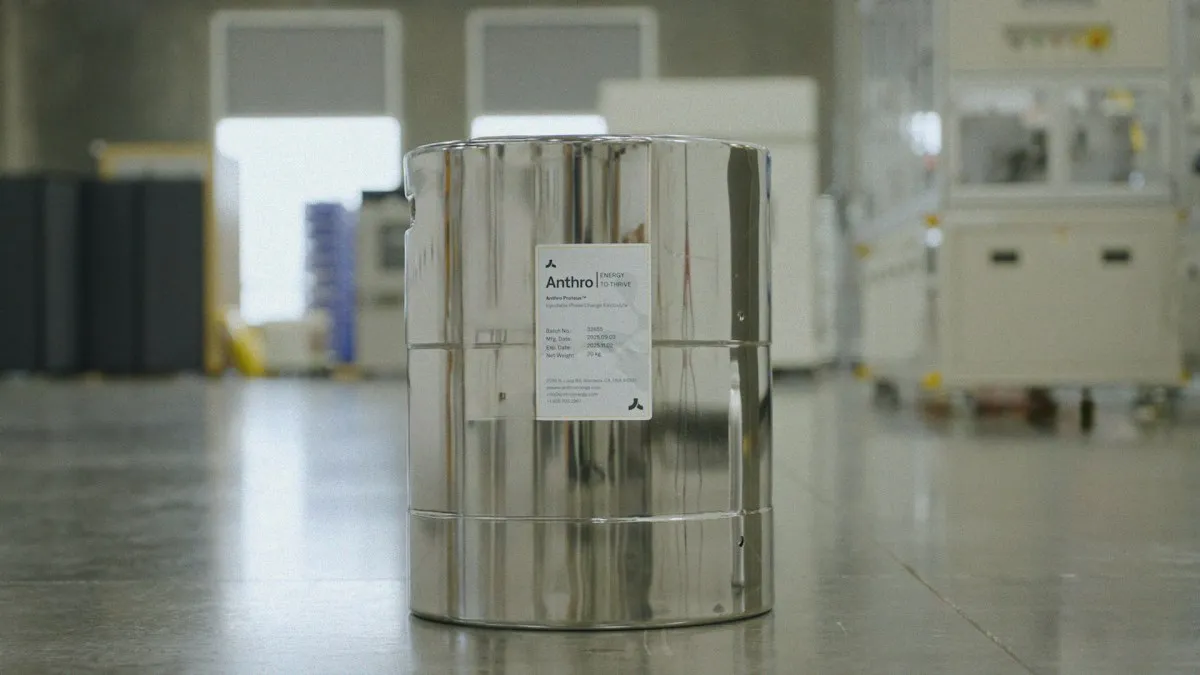
As the race to electrification accelerates, the need for innovative battery technologies is more critical than ever. In a significant move for the future of electric vehicles (EVs), Anthro Energy has broken ground on a state-of-the-art factory in Louisville, Kentucky, dedicated to producing materials essential for solid-state batteries. This facility is expected to manufacture enough battery materials for over 300,000 EVs per year, positioning Anthro at the forefront of the U.S. battery supply chain. The factory's output of 25 gigawatt-hours worth of electrolytes represents not just a leap in production capacity but also a crucial step towards mitigating reliance on foreign materials, especially from China.
With the burgeoning electric vehicle market projected to reach $1 trillion by 2030, the demand for more efficient and safer battery technologies is set to surge. Solid-state batteries, in particular, promise to address many of the limitations of traditional lithium-ion batteries, including energy density, safety, and lifespan. Anthro Energy’s initiative could play a pivotal role in fulfilling this demand while ensuring a reliable, domestic supply of essential materials.
Building a Manufacturing Hub for Solid-State Batteries
Located strategically within a 12-hour drive of 70% of the existing battery production facilities in the United States, Anthro Energy's Louisville factory is poised to become a crucial node in the country's battery manufacturing landscape. David Mackanic, co-founder and CEO of Anthro, emphasized the facility's role in creating a domestic supply chain free from "foreign entity of concern" issues, which have hindered many American manufacturers from securing materials needed for production.
Government Support and Funding
The establishment of the factory has garnered considerable financial backing, including a $24.9 million award from the Department of Energy under the Bipartisan Infrastructure Law and an additional $18.4 million in investment tax credits through the Inflation Reduction Act. Furthermore, the state of Kentucky has contributed $2.3 million in tax incentives, contingent on the creation of 110 permanent jobs. This support not only underscores the importance of the factory but also highlights the federal government's commitment to bolstering domestic manufacturing in a key industry.
The Promise of Solid-State Batteries
Solid-state batteries are often hailed as the future of energy storage technology due to their potential advantages over traditional lithium-ion batteries. They replace flammable liquid electrolytes with a solid electrolyte, which enhances safety and energy density. This transition also helps prevent the formation of dendrites—tiny, spiky structures that can lead to battery failures and safety hazards. The solid-state design promises cells that are not only safer but also more efficient, potentially leading to longer-lasting batteries for electric vehicles.
Overcoming Manufacturing Challenges
Despite their advantages, solid-state batteries have faced significant hurdles in scaling up production due to high manufacturing costs and technical challenges. Anthro Energy's innovative approach involves a unique manufacturing process where the electrolyte starts as a liquid, allowing it to permeate the battery's components before solidifying. This method not only simplifies integration into existing production lines but also enhances the overall strength and flexibility of the batteries produced.
Mackanic remains optimistic about the factory's ability to overcome the so-called "valley of death" that many startups encounter when transitioning from small-scale operations to mass production. He asserts that the federal funding received will play a critical role in facilitating this transition and positioning Anthro Energy as a leader in the solid-state battery market.
Broader Implications for the EV Market
The implications of Anthro's factory extend beyond just manufacturing. As the global push for electric vehicles intensifies, the need for sustainable and secure battery production has never been more crucial. By establishing a domestic source of battery materials, Anthro Energy aims to alleviate some of the supply chain pressures currently faced by U.S. automakers.
Moreover, the development of solid-state technology could lead to significant improvements in drone, robotics, and energy storage applications. As industries explore new ways to utilize advanced battery technologies, Anthro's innovations could spur broader changes across various sectors.
Key Takeaways
- Anthro Energy's new factory in Kentucky aims to produce materials for over 300,000 electric vehicles annually.
- The facility is expected to generate 25 gigawatt-hours of electrolytes, crucial for solid-state battery production.
- Government funding, totaling over $45 million, supports the factory's establishment and job creation.
- Solid-state batteries offer significant advantages in safety, energy density, and longevity over traditional lithium-ion batteries.
- Anthro's innovative manufacturing process could help overcome challenges in scaling solid-state battery production.
Frequently Asked Questions
What are solid-state batteries, and why are they important?
Solid-state batteries are a type of energy storage technology that utilizes a solid electrolyte instead of a liquid one. This innovation enhances safety by reducing the risk of fires and improves energy density, allowing for more efficient energy storage. As the electric vehicle market grows, the demand for high-performance batteries like solid-state cells is increasing, making them crucial for the future of transportation and energy storage.
How does Anthro Energy's manufacturing process differ from traditional methods?
Anthro Energy's unique manufacturing process involves initially introducing the electrolyte as a liquid, which allows it to penetrate the anode and cathode effectively. Once the components are combined, the electrolyte solidifies, creating a strong bond between the battery parts. This method simplifies integration into existing production lines and avoids the complexities typically associated with solid-state battery manufacturing.
What role does government funding play in Anthro's success?
The substantial federal and state funding received by Anthro Energy is vital for supporting the construction of the factory and facilitating its operations. This financial backing not only mitigates the risks associated with scaling production but also emphasizes the government's commitment to fostering domestic manufacturing in the battery sector, which is essential for national energy security and economic growth.
Comments
Unlock Innovation: Join TechCrunch Disrupt 2026 for Major Savings
Don’t miss your chance to save up to $300 on passes for TechCrunch Disrupt 2026! Discover the event’s focus on AI and startup growth opportunities.

Related articles

Popular in Cloud Computing
- SK Hynix's Historic $26.5 Billion IPO: A New Era for Memory Chips
- Kubernetes and the Future of Desktop Infrastructure: A Paradigm Shift
- Amazon Expands Partnership with Nvidia, Tripling GPU Orders Amid AI Demand Surge
- Elon Musk's Evolving Relationship with Anthropic: A New Era for AI Hosting
- Emerging Rocket Launches: A New Era for Space Exploration