JCB Hydromax: A New Era for Hydrogen-Powered Speed Records
The JCB Hydromax has shattered previous records for hydrogen-powered vehicles, showcasing the potential of hydrogen combustion technology. Wing Commander Andy Green drove the vehicle to an impressive average speed of 406.32 mph at the Bonneville Salt Flats, marking a significant milestone in the race towards sustainable transportation.
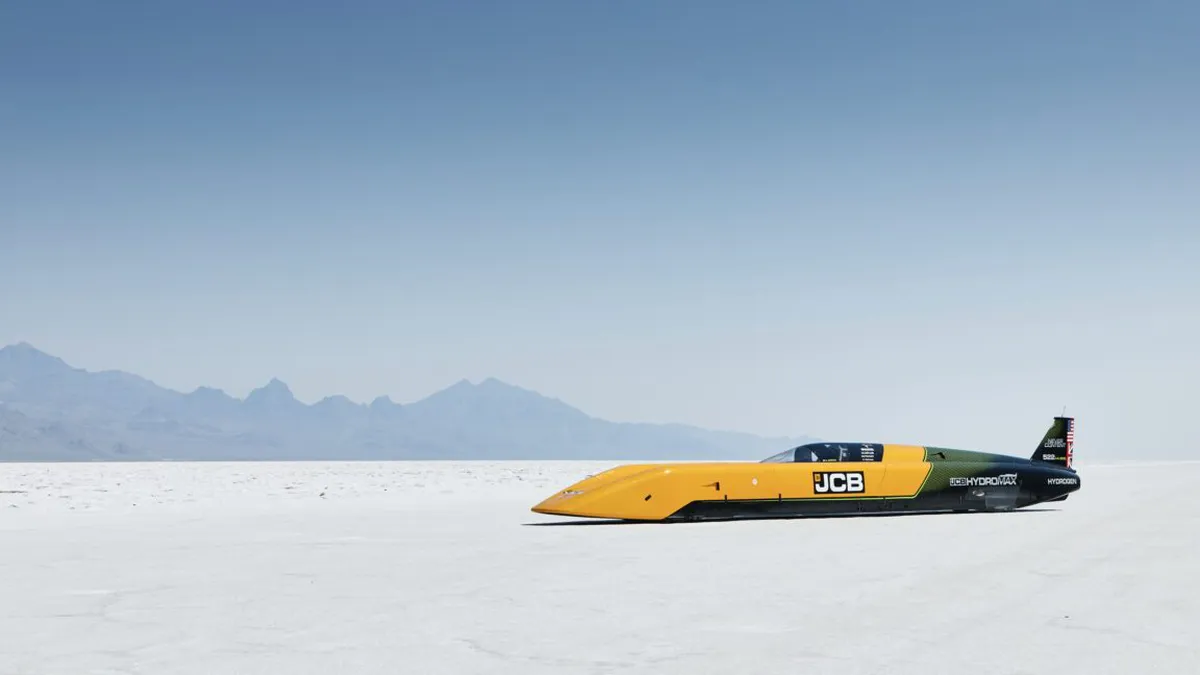
In a remarkable demonstration of engineering prowess and innovation, the JCB Hydromax has claimed the title for the fastest hydrogen-powered vehicle, establishing a new land speed record of 406.32 mph (653.91 km/h) at the Bonneville Salt Flats in Utah. Piloted by the renowned Wing Commander Andy Green, the Hydromax’s achievement not only emphasizes advancements in hydrogen combustion technology but also positions JCB as a pioneer in sustainable engineering solutions.
The record-breaking run took place in an environment steeped in land speed history, where the Bonneville Salt Flats has long been the proving ground for the world’s fastest vehicles. This achievement comes over two decades after Green first made headlines by breaking the sound barrier in a wheeled vehicle, highlighting the evolution of speed records and the growing focus on sustainable energy sources in automotive engineering.

Revolutionizing Hydrogen Technology
JCB’s commitment to hydrogen technology reflects a broader trend within the automotive and heavy machinery industries, where companies are increasingly seeking alternatives to fossil fuels. As environmental regulations tighten and the necessity for carbon emission reductions becomes more urgent, organizations like JCB are exploring hydrogen as a viable solution for powering machinery, including diggers, loaders, and other industrial equipment.
Initially, JCB experimented with hydrogen fuel cells but found that the technology was prohibitively expensive and not robust enough for the rigors of construction and agricultural applications. This led the company to pivot towards developing a hydrogen combustion engine, which leverages the existing infrastructure and knowledge gained from their experience with diesel engines.
The Technical Innovations Behind JCB Hydromax
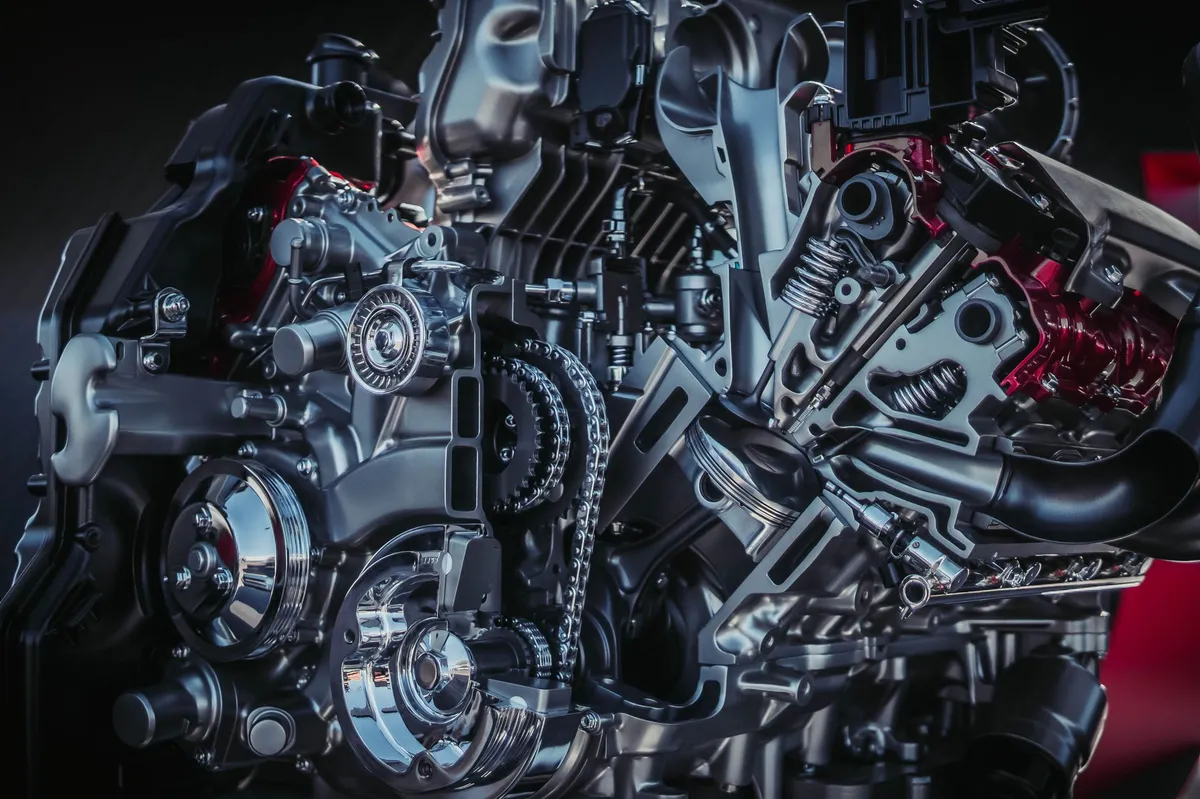
The JCB Hydromax is powered by two highly modified hydrogen-burning engines, each producing an impressive 800 hp (597 kW). This power output was achieved through several engineering enhancements:
- Increased Engine Speed: The engine speed was doubled to 3,800 rpm, significantly elevating performance.
- Advanced Engine Architecture: The engines utilize double overhead camshafts for improved timing control and efficiency.
- Direct Fuel Injection: By implementing direct fuel injection at higher pressures, the engines achieve better combustion efficiency.
- Cooling Innovations: The incorporation of ice tanks cools the air entering the engine, improving performance and reducing the risk of overheating.
This innovative approach has not only enabled the JCB Hydromax to exceed previous hydrogen combustion speed records but also highlights the potential for hydrogen engines in various applications beyond just land speed records.
A Record-Breaking Performance
The record-setting run at Bonneville featured a two-way average speed, which is crucial for validating such achievements. The JCB Hydromax completed its first run at 400.623 mph (644.74 km/h) and followed up with a second run at 412.135 mph (663.27 km/h). This impressive performance surpassed the previous hydrogen combustion record of 185.5 mph (298.53 km/h) set by BMW in 2004, demonstrating the significant strides that have been made in this field.
Moreover, the Hydromax's average speed also eclipsed the fastest electric vehicle record of 341 mph (549 km/h), showcasing hydrogen’s potential as a high-performance alternative to traditional fossil fuels and electric powertrains.
Andy Green's Role in the Achievement
Wing Commander Andy Green’s experience plays a vital role in the success of the JCB Hydromax. Having previously set records for diesel-powered vehicles, his transition to hydrogen-powered speed records marks an important milestone in his career. Green expressed pride in the achievement, stating, “Setting a world land speed record with hydrogen power, twenty years after Dieselmax, is a huge privilege.” His expertise in handling high-performance vehicles was instrumental in achieving the record, as he skillfully navigated the challenges of the Salt Flats.

The Broader Implications of the Record
JCB's achievement represents more than just a record-breaking performance; it signifies a potential shift in the automotive and heavy equipment industries towards sustainable practices. As global demand for cleaner energy sources grows, the success of the JCB Hydromax could inspire further research and development in hydrogen combustion technology.
Moreover, this milestone could influence regulatory frameworks as governments worldwide consider incentives for companies adopting environmentally friendly technologies. The success of hydrogen vehicles could lead to increased investments in hydrogen infrastructure, such as fueling stations and production facilities, which are essential for widespread adoption.
Challenges Ahead for Hydrogen Vehicles
Despite the impressive achievements, hydrogen vehicles still face significant challenges. One of the primary obstacles is the production of hydrogen itself, which is often derived from natural gas in a process that emits carbon. Developing green hydrogen methods, such as electrolysis powered by renewable energy sources, is crucial for ensuring that hydrogen remains a truly sustainable option.
Additionally, the infrastructure for hydrogen fueling is still in its infancy. Significant investments are required to build out a comprehensive network of hydrogen stations across the United States and globally. Addressing these challenges will be essential for hydrogen vehicles to gain traction in the marketplace and compete with electric vehicles.
Key Takeaways
- The JCB Hydromax set a new land speed record for hydrogen-powered vehicles at 406.32 mph.
- Two modified hydrogen combustion engines produced a combined 1,600 hp to achieve this speed.
- This record surpasses previous hydrogen combustion and electric vehicle speed records.
- The success highlights the potential of hydrogen as a sustainable fuel source in various applications.
- Challenges remain in hydrogen production and infrastructure development.
Comments
IBM and OpenAI Join Forces to Transform Enterprise AI Solutions
IBM's newly announced partnership with OpenAI aims to revolutionize AI adoption in enterprises, enhancing consulting capabilities across various sectors. This collaboration signals a significant shift in AI strategy as companies race to capture corporate budgets amid intensifying competition.
Related articles

Popular in Cloud Computing
- SK Hynix's Historic $26.5 Billion IPO: A New Era for Memory Chips
- Kubernetes and the Future of Desktop Infrastructure: A Paradigm Shift
- Amazon Expands Partnership with Nvidia, Tripling GPU Orders Amid AI Demand Surge
- Elon Musk's Evolving Relationship with Anthropic: A New Era for AI Hosting
- Emerging Rocket Launches: A New Era for Space Exploration