The Rise of Autonomous Vehicles: Zoox, Uber, and the Future of Robotaxis
As Zoox gears up for its commercial launch, the autonomous vehicle landscape is rapidly evolving, with significant investments from companies like Uber and Moove reshaping mobility. Explore the implications for the industry and consumers.

The autonomous vehicle (AV) industry is on the brink of a transformative shift, with Amazon-owned Zoox set to commercially launch its robotaxi services in just a few days. This milestone marks a significant step not only for Zoox but also for the entire AV sector, which stands to benefit from the regulatory exemptions that make such innovations possible. Starting August 10, Zoox will begin charging for rides in its custom-built robotaxis that have already been providing rides in major cities like Las Vegas and San Francisco. The company's expansion into Miami and Austin further highlights its ambitious growth plans.
For many, the prospect of robotaxis may seem like a futuristic dream; however, the reality is that Zoox's launch is a crucial indicator of how far the industry has come. The approval from the National Highway Traffic Safety Administration (NHTSA) to operate a fleet of up to 2,500 vehicles commercially is a game-changer. This exemption allows Zoox to sidestep traditional vehicle standards—including steering wheels and pedals—setting a precedent for other AV companies looking to innovate without the constraints of outdated regulations. The implications of this move are vast, as it opens the door for a new generation of vehicles designed specifically for autonomous operation.
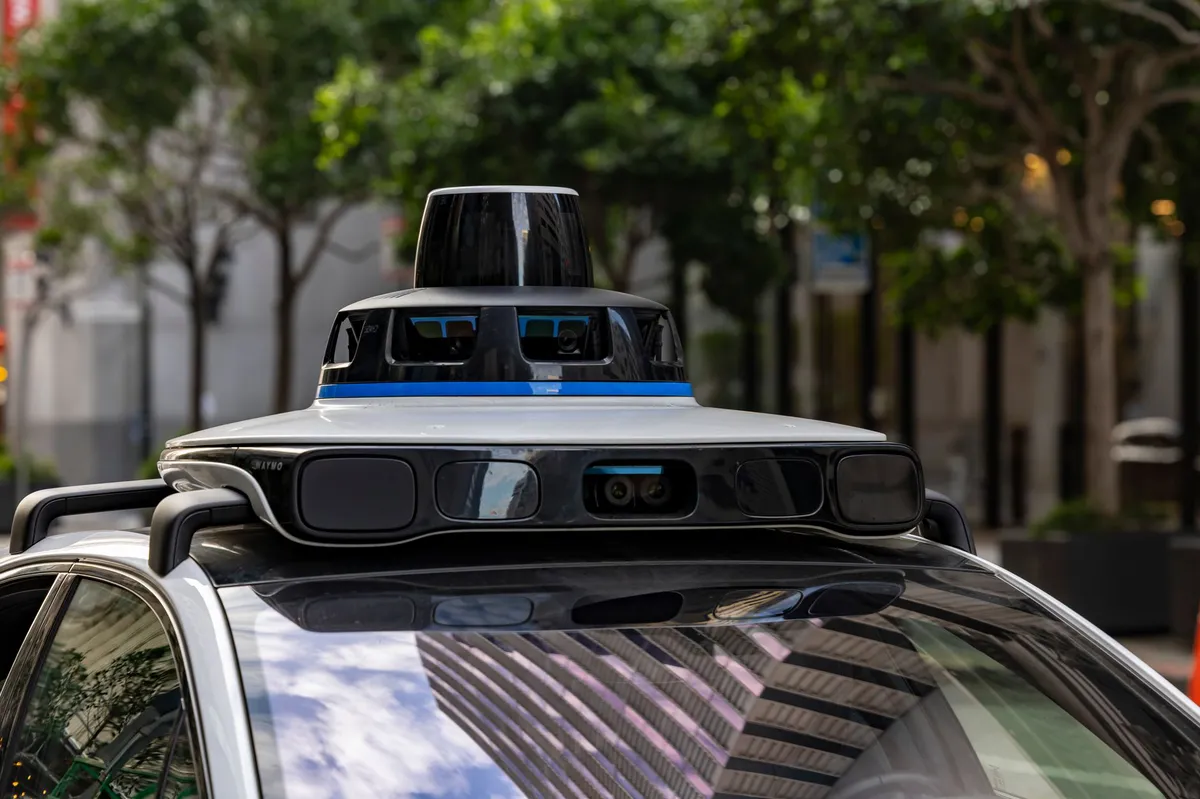
The Implications of NHTSA's Exemption for Zoox
The NHTSA's decision to grant Zoox an exemption highlights a critical shift in how regulators view autonomous technology. Traditionally, vehicles have been designed with human drivers in mind, but as technology evolves, so too must the regulations. The exemption not only benefits Zoox but also sets a precedent for other AV developers, such as Tesla, which is currently working on its own autonomous vehicle, the Cybercab. This could lead to a more diverse range of vehicle designs that prioritize efficiency and safety over traditional human-centric features.
How Other Companies Stand to Gain
The ripple effect of Zoox's exemption is likely to impact various players in the autonomous vehicle space:
- Tesla: With its focus on developing the Cybercab, Tesla stands to benefit significantly from the regulatory breathing room provided by Zoox's success.
- Waymo: As a leader in the AV field, Waymo may also find opportunities to innovate further, particularly in cities where it already operates.
- New Entrants: Startups looking to enter the robotaxi market may find it easier to navigate regulatory hurdles, allowing for a faster rollout of their technologies.
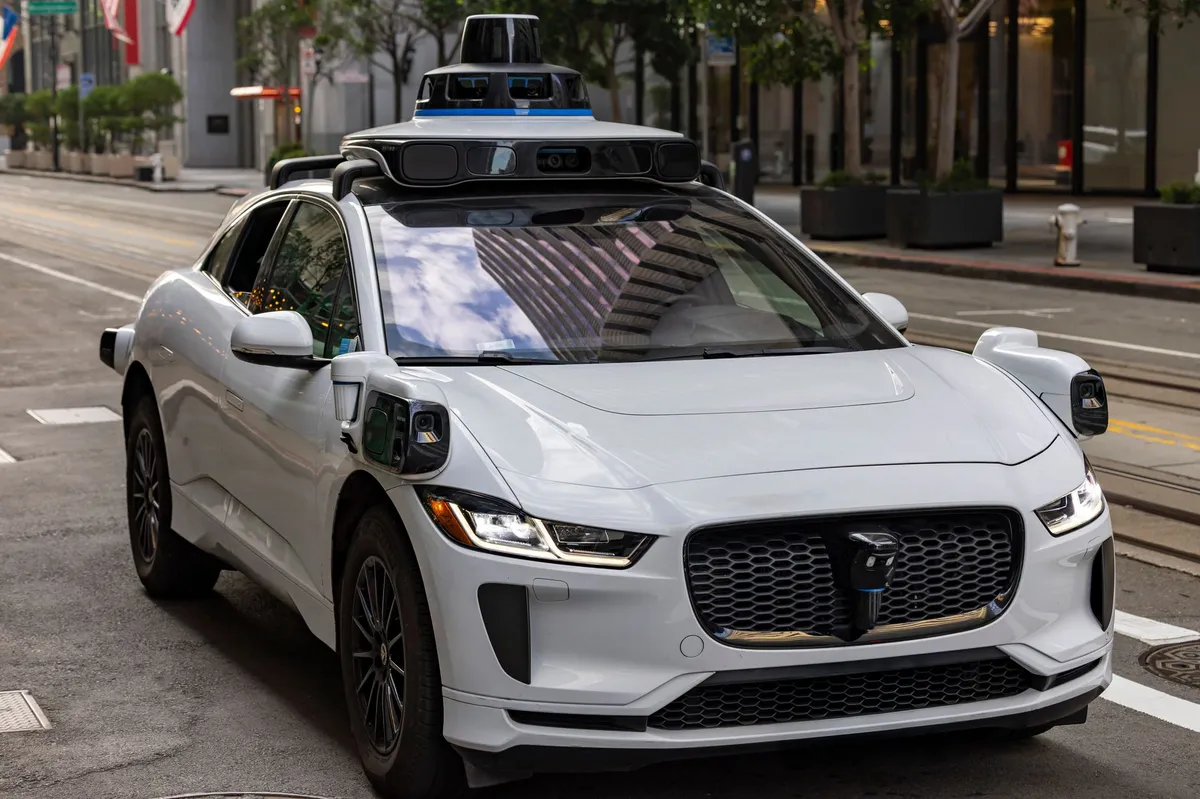
Uber's $10 Billion Commitment to Autonomous Vehicles
In parallel to Zoox's developments, Uber is making headlines with its substantial investment in autonomous vehicle technology. The company has committed $10 billion over the coming years to deploy a fleet of 120,000 driverless vehicles. This ambitious push underscores Uber's recognition of the transformative potential of automation in the ride-hailing and transportation sectors.
Uber's CEO, Dara Khosrowshahi, has been vocal about the company's plans to integrate AVs into its platform, which could drastically reduce operational costs and increase efficiency. The financial commitment aligns with the company's strategic direction to pivot away from traditional ride-hailing and into a future where autonomous vehicles are a central component of its business model.
The Role of Partnerships and Investments
A significant aspect of Uber's strategy involves partnerships with other AV developers. The company has been actively seeking collaborations to enhance its technological capabilities and expedite the rollout of autonomous services. These partnerships not only bolster Uber's chances of success but also create a collaborative ecosystem where knowledge and resources can be shared.
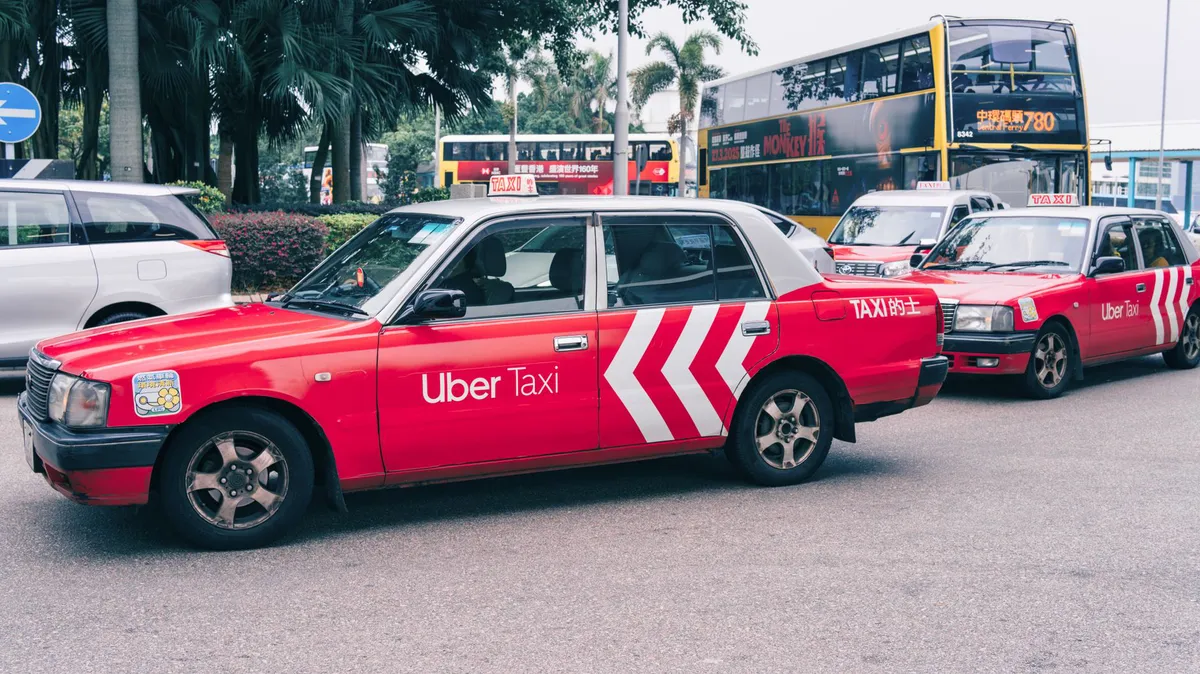
Moove: A Fleet Operator with Big Ambitions
Another player making waves in the AV sector is Moove, which has transitioned from a fintech-focused startup to a major ride-hail fleet operator. With a current fleet of 42,000 vehicles across 13 countries, Moove has positioned itself as a key player in the mobility landscape. Recently, the company raised $250 million in a Series C funding round, bringing its valuation to $2.1 billion. This fresh capital will be used to scale its autonomous vehicle fleet management business, including hiring around 350 new employees.
Moove has already secured deals to operate Waymo's robotaxi fleet in several cities, including Phoenix, Miami, and Las Vegas. The startup's proactive approach to integrating autonomous technology into its operations could serve as a blueprint for future fleet operators looking to capitalize on the growing demand for AV services.
The Future of Autonomous Fleets
As Moove expands its autonomous vehicle operations, the wider implications for the industry are significant. The integration of AV technology into existing fleet operations presents both opportunities and challenges:
- Operational Efficiency: AVs can reduce labor costs and optimize route management, leading to increased profitability.
- Consumer Safety: With greater automation, the potential for human error decreases, potentially leading to safer transportation options.
- Regulatory Challenges: As AVs proliferate, the regulatory landscape will need to evolve to ensure safety and compliance.
Challenges and Legal Considerations
Despite the exciting advancements in autonomous vehicle technology, the industry is not without its challenges. Legal and regulatory hurdles remain a significant barrier to widespread adoption. Recently, the Teamsters Union filed a lawsuit against the California Department of Motor Vehicles, alleging improper economic impact studies regarding self-driving heavy-duty trucks. While the lawsuit has been criticized as frivolous by the Autonomous Vehicle Industry Association, it underscores the contentious nature of AV regulation and the potential for litigation to slow progress.
Moreover, legal issues surrounding liability in the event of an accident involving an autonomous vehicle are still unresolved. As AVs become more prevalent, establishing clear legal frameworks will be essential for both developers and consumers to understand their rights and responsibilities.
Key Takeaways
- Zoox's commercial launch of robotaxis signifies a pivotal moment in the AV industry, setting precedents for future developments.
- Uber's commitment of $10 billion to deploy driverless vehicles showcases the company's strategic shift towards automation.
- Moove's evolution into a major fleet operator highlights the potential for startups to integrate AV technology into their business models.
- Legal and regulatory challenges remain significant obstacles that will need to be navigated as the AV industry matures.
Frequently Asked Questions
What is Zoox's significance in the autonomous vehicle market?
Zoox represents a groundbreaking approach to autonomous vehicle design by eliminating traditional controls such as steering wheels and pedals. Its successful launch of robotaxis will serve as a benchmark for other companies looking to innovate in the AV sector, potentially reshaping how vehicles are designed and regulated.
How is Uber planning to integrate autonomous vehicles into its platform?
Uber plans to integrate autonomous vehicles into its ride-hailing platform by committing $10 billion to develop and deploy a fleet of 120,000 driverless vehicles. This investment will help the company reduce operational costs and enhance efficiency, ultimately transforming its business model to rely more heavily on automation.
What challenges does the autonomous vehicle industry face?
The AV industry faces several challenges, including regulatory hurdles, legal liabilities, and public acceptance. Lawsuits, like the one recently filed by the Teamsters Union in California, highlight the contentious nature of AV regulation. Additionally, as AVs become more common, establishing clear legal frameworks around liability and safety will be critical for consumer and developer confidence.
Comments
OpenAI's $7 Billion Tender Offer: Implications for the AI Industry
OpenAI has executed a $7 billion employee tender offer, valuing the company at $852 billion. This move offers liquidity to employees and signals potential shifts in the company's growth strategy and IPO timeline.

Related articles
Popular in Cloud Computing
- SK Hynix's Historic $26.5 Billion IPO: A New Era for Memory Chips
- Kubernetes and the Future of Desktop Infrastructure: A Paradigm Shift
- Amazon Expands Partnership with Nvidia, Tripling GPU Orders Amid AI Demand Surge
- Elon Musk's Evolving Relationship with Anthropic: A New Era for AI Hosting
- Emerging Rocket Launches: A New Era for Space Exploration